



Your vehicle’s air conditioning system is easy to take for granted until it stops working the way you expect. Many drivers only start researching HVAC service when the air is no longer cold, airflow feels weak, or unusual smells begin coming through the vents. In GMC trucks and SUVs, the HVAC system is designed to manage both temperature and airflow through a coordinated set of components that move and cool air throughout the cabin. Understanding how that system works, what causes common issues, and when service should be performed helps drivers maintain consistent comfort and avoid larger repairs as temperatures rise.

How the GMC HVAC System Controls Airflow and Temperature
Many drivers ask how their vehicle’s AC system actually works and why multiple components are involved in producing cold air. The GMC HVAC system uses a closed refrigerant cycle combined with airflow controls to regulate cabin temperature.
The process begins with the GMC AC compressor, which pressurizes refrigerant and moves it through the system. As the refrigerant circulates, it releases heat through the condenser and absorbs heat inside the cabin through the evaporator. This heat exchange is what creates cold air.
Read the rest of this entry »GMC Towing Technology Guide: ProGrade Trailering, Hitch Assist, and What’s New for 2026
Towing capability is often measured in pounds, but for most drivers, the real challenge is not how much a vehicle can tow. It is how confidently and consistently that load can be managed on the road. Many shoppers researching GMC trucks and SUVs are trying to understand what features like ProGrade Trailering, Hitch Guidance, and trailer camera systems actually do, and how they change the towing experience. GMC approaches towing as a connected system rather than a collection of individual features, combining cameras, sensors, and vehicle controls to reduce guesswork and improve stability. Understanding how these systems work helps explain why towing technology matters just as much as towing capacity.
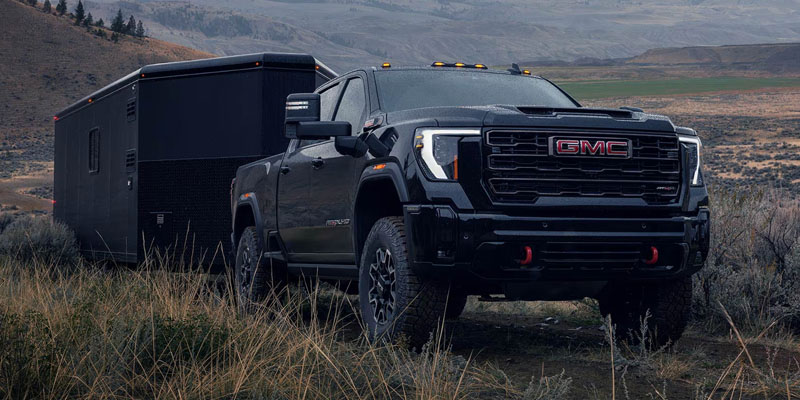
How GMC ProGrade Trailering Works as a Complete System
Many drivers ask what GMC ProGrade Trailering actually is and whether it is just a marketing name for standard towing features. ProGrade Trailering is a fully integrated system that combines multiple technologies to support every stage of towing, from hitching to highway driving.
Instead of operating independently, each component within the GMC ProGrade Trailering system shares data and works together. Cameras provide visual feedback, sensors monitor trailer behavior, and onboard systems adjust braking and power delivery as needed.
Read the rest of this entry »Buying a used midsize truck often comes down to balancing capability, price, and long-term reliability. Many shoppers considering a used GMC Canyon are trying to figure out which model years offer the best value, which trims fit their needs, and what to check before making a purchase. The GMC Canyon has evolved significantly between 2017 and 2025, and understanding those changes is key to making a confident decision. Instead of treating all used models the same, it helps to break down how the truck has developed over time and how those differences affect real-world ownership.
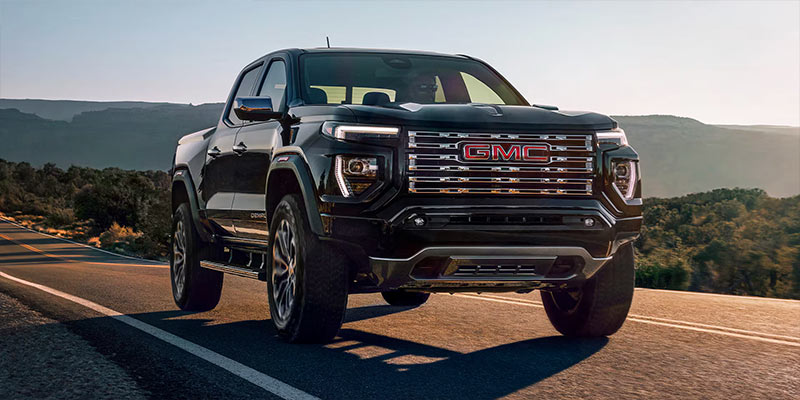
How the GMC Canyon Changed Between 2017 and 2025
Many buyers ask whether all used GMC Canyon models are essentially the same or if newer versions are worth the higher price. The reality is that the Canyon spans two distinct generations during this range, and those differences directly impact performance, features, and driving experience.
The 2017 through 2022 GMC Canyon represents the later years of the second generation. These models offer multiple engine options, including a gasoline V6 and an available diesel engine known for strong torque and towing capability. The interior layout is more traditional, with a straightforward infotainment system and physical controls.
Starting in 2023, the GMC Canyon was redesigned. The newer generation shifts toward a more modern cabin, updated technology, and a different powertrain approach focused on a turbocharged engine. This changes how the truck delivers power, particularly in low-end torque and responsiveness.
For used buyers, this means you are not just choosing a model year. You are deciding between two different design philosophies:
Read the rest of this entry »The 2026 GMC Yukon XL is designed for drivers who need more than just a full size SUV. Many shoppers comparing the Yukon and Yukon XL are trying to understand what the added length actually changes in everyday driving, passenger comfort, and towing capability. The Yukon XL builds on the standard Yukon platform by extending the wheelbase and cargo area, which directly impacts how the vehicle performs when carrying people, hauling gear, or pulling a trailer. Understanding how those differences translate into real world use helps determine whether the Yukon XL is the right fit.

Yukon vs Yukon XL Size Differences and What They Change
Many shoppers researching full size SUVs ask what the difference between the Yukon and Yukon XL actually is. The primary difference is wheelbase length, which extends the overall body of the 2026 GMC Yukon XL and changes how the SUV distributes space and weight.
The 2026 GMC Yukon XL wheelbase is longer than the standard Yukon, which increases rear cargo volume and third row legroom. This added length also affects how the vehicle rides on the road. A longer wheelbase allows the suspension to absorb road imperfections more gradually, which can create a smoother experience during highway driving.
Read the rest of this entry »Modern GMC vehicles rely on stable electrical voltage to operate far more than just the starter motor. From digital displays and fuel management systems to advanced driver assistance technology, your battery supports nearly every system the moment you press the start button. Understanding how the battery works, how long it should last, and how to identify early warning signs helps prevent unexpected breakdowns.
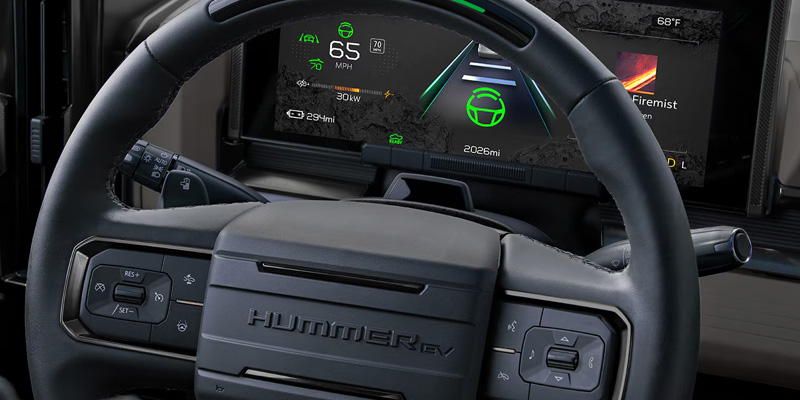
Voltage Stability and Modern GMC Electrical Systems
Older vehicles relied heavily on mechanical systems. Today’s GMC models use networked electronic control modules that communicate constantly. These modules require consistent voltage to function correctly.
Your battery supports:
Read the rest of this entry »Financing a new GMC in 2026 is not just about the monthly payment. Buyers are evaluating interest rates, promotional APR offers, manufacturer incentives, credit requirements, and whether leasing or financing makes more long term sense. Understanding how these systems work helps you structure a deal that aligns with your financial goals rather than reacting to a headline rate.

This guide explains how GMC financing works, what to realistically expect in 2026, and how to evaluate incentives and loan structures.
How GM Financial Structures Auto Loans
Most new GMC vehicles are financed through GM Financial, the manufacturer’s captive finance arm. A captive lender allows GMC to offer promotional APR rates and incentive combinations that may not be available through outside banks.
Loan approval is typically based on:
Read the rest of this entry »The GMC Yukon is one of the most consistently cross shopped full size SUVs on the used market. Buyers typically want clarity on three things: which years offer the strongest reliability, what changed in the 2021 redesign, and which trim level makes sense for towing, family hauling, or long term ownership.
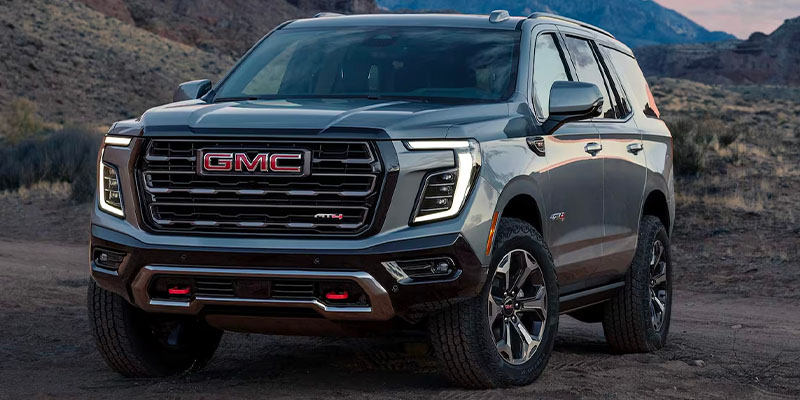
This guide breaks down the 2018 through 2025 model years by generation, mechanical architecture, and real world use case so you can evaluate the Yukon as a system, not just a badge.
Generation Comparison: 2018–2020 vs 2021–2025
The most important dividing line in the used Yukon market is the 2021 redesign.
2018–2020 Yukon: Traditional Full Size Architecture
These models ride on GM’s prior body on frame platform with:
Read the rest of this entry »The 2026 GMC Acadia continues the full platform redesign that repositioned it as a true midsize three row SUV. This is not a light refresh. The architecture, powertrain strategy, interior packaging, and trim separation were all reworked to serve families who need consistent third row usability, stronger towing confidence, and modern driver assistance technology.
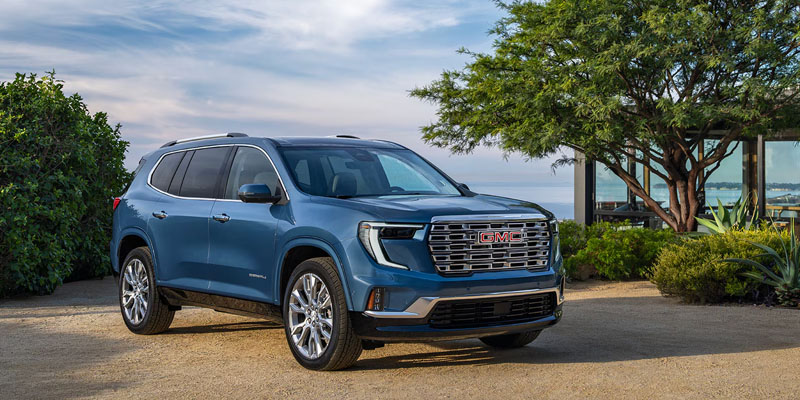
This breakdown focuses on how the systems function in real world use and what matters when choosing between trims.
A Larger Platform Built for Real Third Row Use
The current Acadia rides on GM’s updated midsize SUV architecture shared with the Chevrolet Traverse. Compared to the prior generation, the wheelbase is longer and the body footprint is larger.
That structural change delivers measurable gains:
Read the rest of this entry »Brake systems are one of the most critical safety components on any GMC vehicle. Unlike convenience features that gradually degrade, brake performance can change quickly once wear reaches certain thresholds. Understanding how the brake system works, what causes wear, and how to recognize early warning signs helps drivers maintain stopping power before safety or repair costs escalate.

How GMC Brake Systems Are Designed to Work
GMC vehicles use hydraulic braking systems designed to convert pedal pressure into friction at each wheel. When the brake pedal is pressed, hydraulic fluid transfers force through the brake lines, pushing the brake pads against the rotors. That friction slows the vehicle by converting motion into heat.
On trucks and SUVs, brake systems are engineered with:
Read the rest of this entry »Buying a used GMC Sierra is about more than finding the right price. It is about understanding how different model years, trims, and powertrain options behave in real-world use. From towing and hauling to daily driving and long-term durability, the Sierra lineup between 2019 and 2025 offers meaningful differences that can directly affect ownership satisfaction.
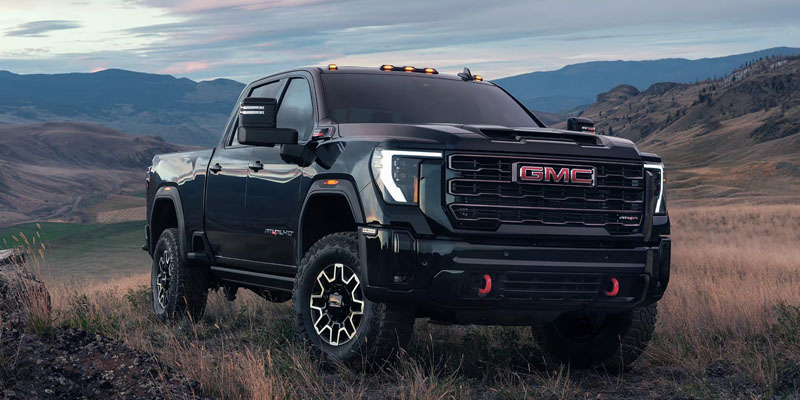
This guide breaks down what matters most so used-truck shoppers can evaluate with confidence.
GMC Sierra Platform Overview
The GMC Sierra is built as a full-size, body-on-frame pickup designed for sustained work, towing, and long-term use. Unlike midsize trucks, Sierra’s structure, braking system, cooling capacity, and driveline components are engineered to handle higher loads consistently rather than occasionally.
Across 2019–2025 model years, Sierra buyers benefit from:
Read the rest of this entry »Connect with us


