


Buying a used GMC Sierra is about more than finding the right price. It is about understanding how different model years, trims, and powertrain options behave in real-world use. From towing and hauling to daily driving and long-term durability, the Sierra lineup between 2019 and 2025 offers meaningful differences that can directly affect ownership satisfaction.
This guide breaks down what matters most so used-truck shoppers can evaluate with confidence.
GMC Sierra Platform Overview
The GMC Sierra is built as a full-size, body-on-frame pickup designed for sustained work, towing, and long-term use. Unlike midsize trucks, Sierra’s structure, braking system, cooling capacity, and driveline components are engineered to handle higher loads consistently rather than occasionally.
Across 2019–2025 model years, Sierra buyers benefit from:
- Full-size truck frame designed for towing stability
- Powertrain options focused on torque delivery
- Rear-wheel drive standard with available four-wheel drive
- Suspension systems built to balance ride quality and payload
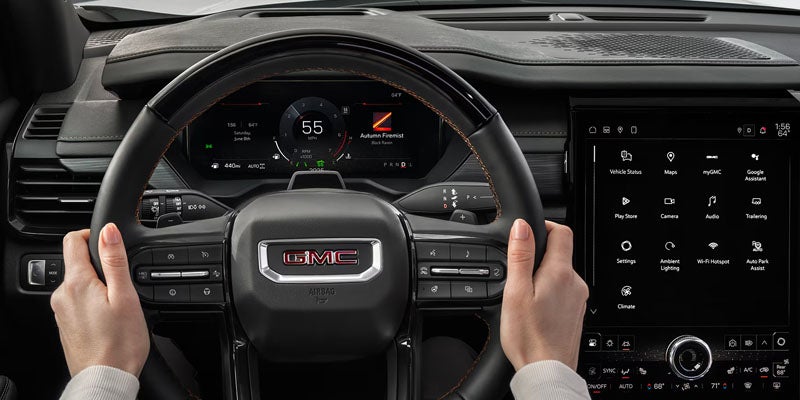
- Interior layouts designed for long drive comfort and durability
Understanding how these systems interact helps buyers match the right configuration to their needs.
Best Model Years to Consider (2019–2025)
While all modern Sierra trucks are capable, certain years stand out for refinement and feature availability.
- 2019–2021 models introduced the modern Sierra generation with updated technology and powertrain options. These years offer strong value but may have fewer standard driver assistance features depending on trim.
- 2022–2023 models refined infotainment systems, safety technology, and interior quality. These years often strike a balance between modern features and used pricing.
- 2024–2025 models are typically the most refined, with updated cabin layouts, improved technology integration, and broader availability of advanced driver assistance systems.
Shoppers prioritizing the latest interior and technology experience often gravitate toward newer model years, while value-focused buyers may find earlier years deliver excellent capability for the cost.
Engine Options and Real-World Performance
Engine choice is one of the most important decisions when buying a used GMC Sierra. Rather than focusing on peak horsepower numbers, buyers should pay attention to torque delivery and how the truck behaves under load.
Common considerations include:
- Engines tuned for strong low-end torque provide smoother towing and hauling
- Turbocharged options deliver responsive acceleration without excessive fuel consumption
- Larger displacement engines may offer confidence under heavy loads but come with higher operating costs
For buyers towing regularly, engine torque and transmission calibration matter more than headline performance figures.
Towing and Capability Expectations
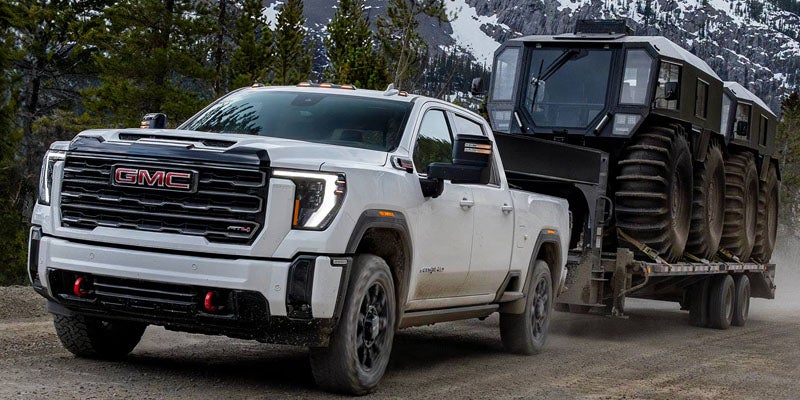
Used Sierra trucks are commonly purchased for towing, and the platform is well-suited for it when properly equipped.
Key towing considerations include:
- Drivetrain configuration and axle ratio
- Cooling system capacity for sustained towing
- Suspension tuning and brake performance under load
- Integrated trailer technology availability by model year and trim
Buyers should confirm how the truck was originally equipped rather than assuming all Sierra models tow the same.
Understanding Sierra Trims in the Used Market
Trim selection affects both comfort and capability.
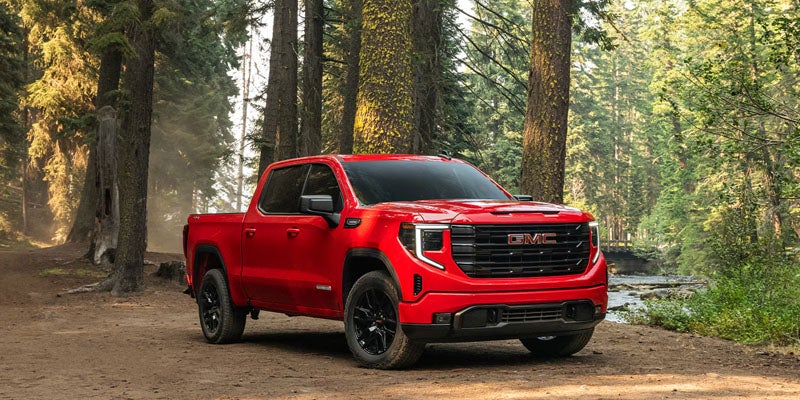
- Elevation trims often provide a strong balance of technology, appearance, and value in the used market.
- SLT trims emphasize interior comfort and convenience features.
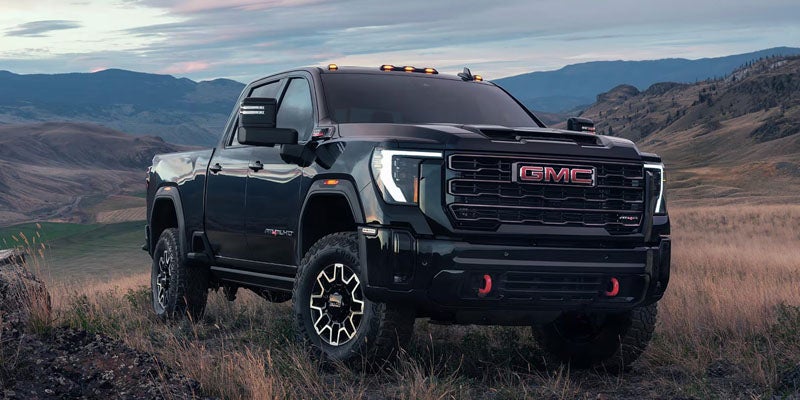
- AT4 trims are designed for off-road capability with upgraded suspension and traction equipment.
- Denali trims prioritize ride quality, interior refinement, and long-distance comfort.
Choosing a trim aligned with actual usage avoids paying for equipment that does not add value to daily ownership.
Mileage and Long-Term Durability
A common buyer concern is how long a GMC Sierra can last. With proper maintenance, Sierra trucks are designed to reach high mileage due to their frame construction and powertrain durability.
Factors that influence longevity include:
- Maintenance history and service intervals
- Previous towing or hauling usage
- Driving environment and road conditions
- Quality of prior ownership care
A well-maintained Sierra with higher mileage can often be a better long-term investment than a neglected lower-mileage example.
What to Evaluate Before Buying
Used truck buyers should focus on:
- Service records and maintenance consistency
- Signs of heavy towing or abuse
- Suspension and brake condition
- Drivetrain operation under load
- Tire wear patterns that may indicate alignment or suspension issues
Evaluating these areas provides insight into how the truck was used and how it is likely to perform going forward.
Ownership Perspective
The GMC Sierra remains a strong choice in the used full-size truck market because it balances real capability with everyday usability. Buyers who understand model-year differences, trim positioning, and powertrain behavior are better equipped to choose a truck that meets their needs without unnecessary compromise.
A thoughtful evaluation leads to confidence, durability, and long-term satisfaction.