


Brake systems are one of the most critical safety components on any GMC vehicle. Unlike convenience features that gradually degrade, brake performance can change quickly once wear reaches certain thresholds. Understanding how the brake system works, what causes wear, and how to recognize early warning signs helps drivers maintain stopping power before safety or repair costs escalate.
How GMC Brake Systems Are Designed to Work
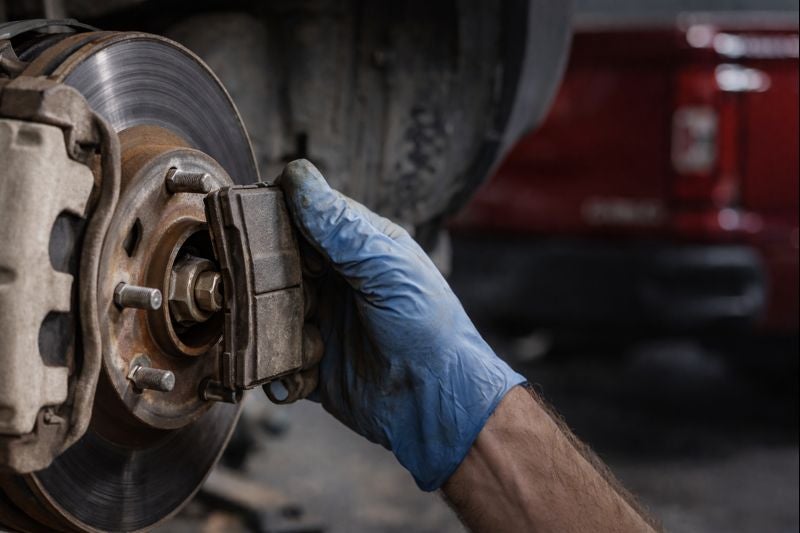
GMC vehicles use hydraulic braking systems designed to convert pedal pressure into friction at each wheel. When the brake pedal is pressed, hydraulic fluid transfers force through the brake lines, pushing the brake pads against the rotors. That friction slows the vehicle by converting motion into heat.
On trucks and SUVs, brake systems are engineered with:
- Larger rotors to dissipate heat
- Calipers designed to apply even pressure
- Brake pads formulated for vehicle weight and load
- Anti-lock braking systems to maintain control under hard stops
Because trucks and SUVs weigh more than smaller vehicles, their brakes work harder, especially during towing, hauling, or repeated stops.
Typical Brake Pad Lifespan and What Affects It
There is no single mileage interval that applies to all GMC vehicles. Brake pad life depends heavily on usage and driving conditions.
Common factors that accelerate brake wear include:
- Frequent stop-and-go driving
- Towing or hauling heavy loads
- Driving in hilly or uneven terrain
- Aggressive braking habits
- Exposure to moisture, mud, or road debris
Under moderate driving conditions, brake pads may last several tens of thousands of miles. However, trucks used for towing or frequent hauling may require service much sooner.
Warning Signs Your Brakes Need Attention
Brake systems often provide warning signs before performance becomes unsafe. Ignoring these signals can lead to more expensive repairs or reduced stopping ability.
Common brake warning signs include:
- Squealing or high-pitched noises indicating pad wear
- Grinding sounds that suggest metal-on-metal contact
- Vibration or pulsation through the brake pedal
- Increased stopping distance
- Brake warning light illumination
- Pulling to one side during braking
Grinding noises are especially urgent because they often indicate the brake pad material has been fully worn away, allowing the caliper to contact the rotor directly.
Brake Pads vs Brake Rotors: Understanding the Difference
Brake pads are designed to wear down over time. Rotors are not. However, rotors can become damaged if pads are allowed to wear too far.
Rotor replacement may be necessary when:
- The rotor surface becomes uneven or warped
- Heat buildup causes vibration during braking
- Metal-on-metal contact has scored the rotor surface
- Thickness falls below safe limits
Timely brake pad replacement can often prevent rotor damage, reducing overall service costs.
How Towing and Load Weight Affect Brake Wear
Towing places additional strain on the braking system. The extra weight increases stopping distances and generates more heat during braking. Over time, this accelerates pad and rotor wear.
GMC trucks and SUVs are designed to handle towing loads, but brake systems still require closer monitoring under these conditions. Drivers who tow regularly should expect more frequent brake inspections and service intervals.
Why OEM Brake Components Matter
Brake systems are engineered as a complete system. OEM brake pads are designed to match rotor materials, caliper pressure, and vehicle weight distribution. Using incorrect pad compounds can lead to:
- Increased noise
- Reduced stopping performance
- Accelerated rotor wear
- Inconsistent brake feel
Choosing components designed for the vehicle helps maintain predictable braking behavior.
What Happens If Brake Service Is Delayed
Delaying brake service can cause:
- Reduced stopping power
- Rotor damage requiring replacement
- Increased repair costs
- Compromised vehicle safety
- Strain on calipers and brake fluid
Once brake pads are fully worn, damage can occur quickly, even during short drives.
When to Schedule Brake Service
Rather than waiting for severe symptoms, brake inspections should be part of routine maintenance. Early detection allows service to be scheduled before safety or cost concerns arise.
Drivers should consider brake inspection:
- At regular service intervals
- Before long trips
- Before towing seasons
- When any braking behavior changes
Ownership Perspective
Brake systems are designed to protect drivers, passengers, and others on the road. Understanding how they wear and responding early to warning signs allows GMC owners to maintain safe, confident braking performance.
Proactive brake maintenance supports vehicle longevity, predictable performance, and peace of mind.