



Modern GMC vehicles rely on stable electrical voltage to operate far more than just the starter motor. From digital displays and fuel management systems to advanced driver assistance technology, your battery supports nearly every system the moment you press the start button. Understanding how the battery works, how long it should last, and how to identify early warning signs helps prevent unexpected breakdowns.
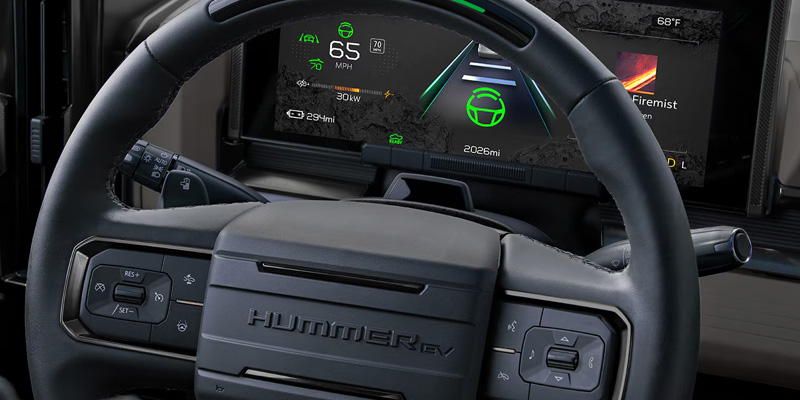
Voltage Stability and Modern GMC Electrical Systems
Older vehicles relied heavily on mechanical systems. Today’s GMC models use networked electronic control modules that communicate constantly. These modules require consistent voltage to function correctly.
Your battery supports:
Read the rest of this entry »Financing a new GMC in 2026 is not just about the monthly payment. Buyers are evaluating interest rates, promotional APR offers, manufacturer incentives, credit requirements, and whether leasing or financing makes more long term sense. Understanding how these systems work helps you structure a deal that aligns with your financial goals rather than reacting to a headline rate.

This guide explains how GMC financing works, what to realistically expect in 2026, and how to evaluate incentives and loan structures.
How GM Financial Structures Auto Loans
Most new GMC vehicles are financed through GM Financial, the manufacturer’s captive finance arm. A captive lender allows GMC to offer promotional APR rates and incentive combinations that may not be available through outside banks.
Loan approval is typically based on:
Read the rest of this entry »The GMC Yukon is one of the most consistently cross shopped full size SUVs on the used market. Buyers typically want clarity on three things: which years offer the strongest reliability, what changed in the 2021 redesign, and which trim level makes sense for towing, family hauling, or long term ownership.
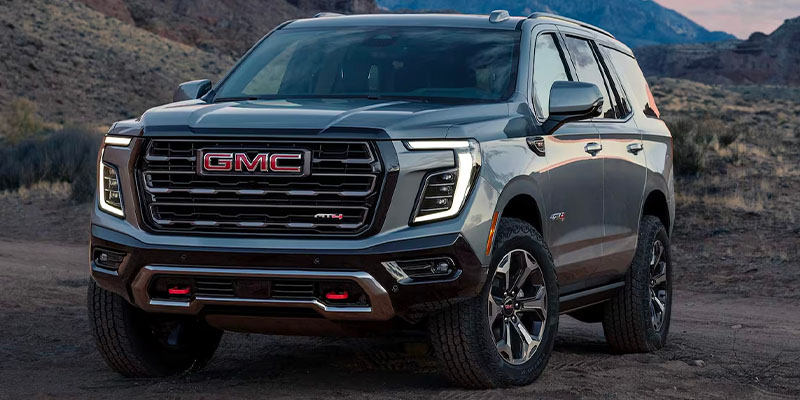
This guide breaks down the 2018 through 2025 model years by generation, mechanical architecture, and real world use case so you can evaluate the Yukon as a system, not just a badge.
Generation Comparison: 2018–2020 vs 2021–2025
The most important dividing line in the used Yukon market is the 2021 redesign.
2018–2020 Yukon: Traditional Full Size Architecture
These models ride on GM’s prior body on frame platform with:
Read the rest of this entry »The 2026 GMC Acadia continues the full platform redesign that repositioned it as a true midsize three row SUV. This is not a light refresh. The architecture, powertrain strategy, interior packaging, and trim separation were all reworked to serve families who need consistent third row usability, stronger towing confidence, and modern driver assistance technology.
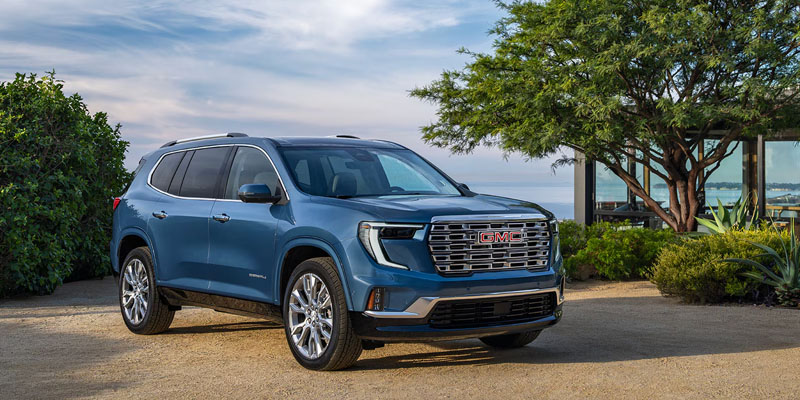
This breakdown focuses on how the systems function in real world use and what matters when choosing between trims.
A Larger Platform Built for Real Third Row Use
The current Acadia rides on GM’s updated midsize SUV architecture shared with the Chevrolet Traverse. Compared to the prior generation, the wheelbase is longer and the body footprint is larger.
That structural change delivers measurable gains:
Read the rest of this entry »Brake systems are one of the most critical safety components on any GMC vehicle. Unlike convenience features that gradually degrade, brake performance can change quickly once wear reaches certain thresholds. Understanding how the brake system works, what causes wear, and how to recognize early warning signs helps drivers maintain stopping power before safety or repair costs escalate.

How GMC Brake Systems Are Designed to Work
GMC vehicles use hydraulic braking systems designed to convert pedal pressure into friction at each wheel. When the brake pedal is pressed, hydraulic fluid transfers force through the brake lines, pushing the brake pads against the rotors. That friction slows the vehicle by converting motion into heat.
On trucks and SUVs, brake systems are engineered with:
Read the rest of this entry »Buying a used GMC Sierra is about more than finding the right price. It is about understanding how different model years, trims, and powertrain options behave in real-world use. From towing and hauling to daily driving and long-term durability, the Sierra lineup between 2019 and 2025 offers meaningful differences that can directly affect ownership satisfaction.
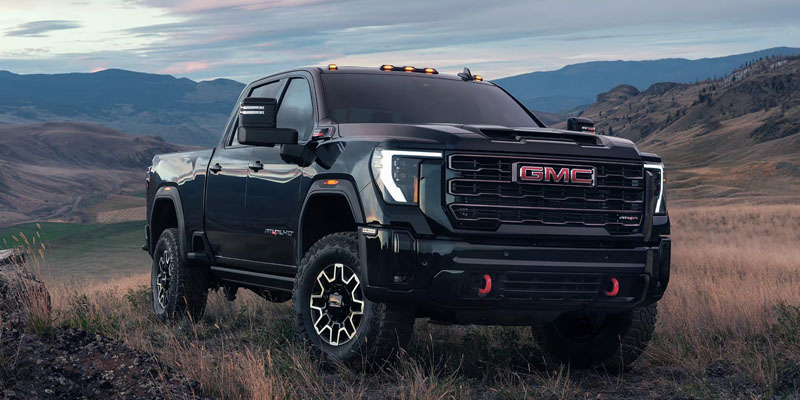
This guide breaks down what matters most so used-truck shoppers can evaluate with confidence.
GMC Sierra Platform Overview
The GMC Sierra is built as a full-size, body-on-frame pickup designed for sustained work, towing, and long-term use. Unlike midsize trucks, Sierra’s structure, braking system, cooling capacity, and driveline components are engineered to handle higher loads consistently rather than occasionally.
Across 2019–2025 model years, Sierra buyers benefit from:
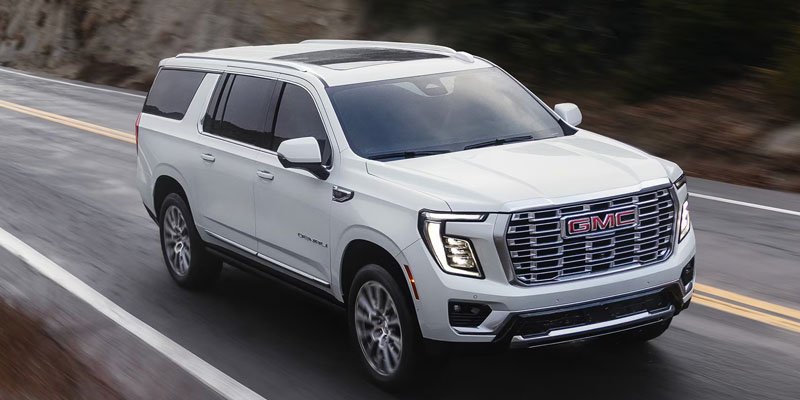
Read the rest of this entry »The 2026 GMC Yukon lineup is designed to cover a wide range of full-size SUV needs, from family transportation and towing to off-road capability and premium long-distance comfort. While the Yukon name stays consistent, each trim level serves a very different purpose. Understanding how the trims differ mechanically, functionally, and in everyday use is what helps buyers choose the right configuration rather than simply moving up the ladder.
The GMC Yukon Platform Overview
Every 2026 GMC Yukon is built on a full-size SUV platform engineered for strength, interior space, and long-term durability. Body-on-frame construction allows the Yukon to handle towing, passenger loads, and rougher road conditions more confidently than unibody SUVs.
Across trims, buyers benefit from:
Read the rest of this entry »Choosing between the 2026 GMC Canyon AT4 and Elevation is less about which trim is “better” and more about which one is engineered for how you actually drive. While both trims are built on the same Canyon midsize truck platform, they are tuned for very different real-world priorities. One emphasizes comfort, accessibility, and everyday usability. The other is designed around traction management, ground clearance, and durability in unpredictable terrain.
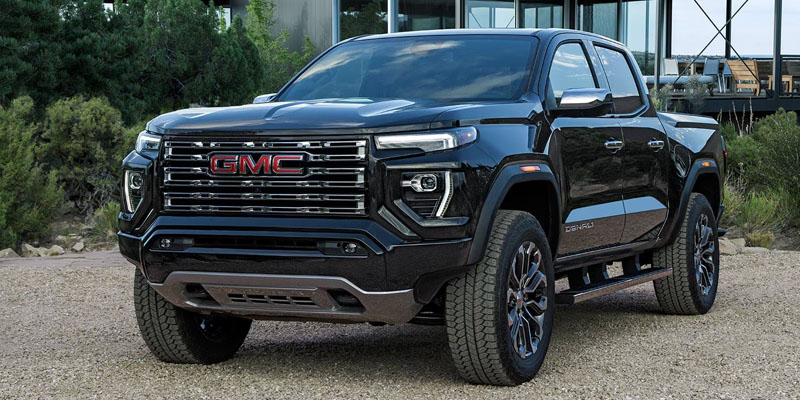
Understanding those differences at a system level helps buyers avoid overbuying capability or ending up with a truck that feels compromised for their needs.
Shared Mechanical Foundation of the 2026 GMC Canyon
Both the AT4 and Elevation share the same core architecture. The 2026 GMC Canyon is built as a true midsize truck, not a downsized full-size, which means its chassis, braking system, and drivetrain are engineered to balance maneuverability with usable strength.
Power comes from a turbocharged four-cylinder engine designed to produce strong low-end torque rather than high-rev horsepower. This torque-forward delivery matters in daily driving, especially when accelerating from a stop, merging onto highways, hauling cargo, or navigating uneven ground. The automatic transmission is calibrated to keep the engine in its most effective torque range rather than chasing peak RPMs.
This shared foundation gives both trims:
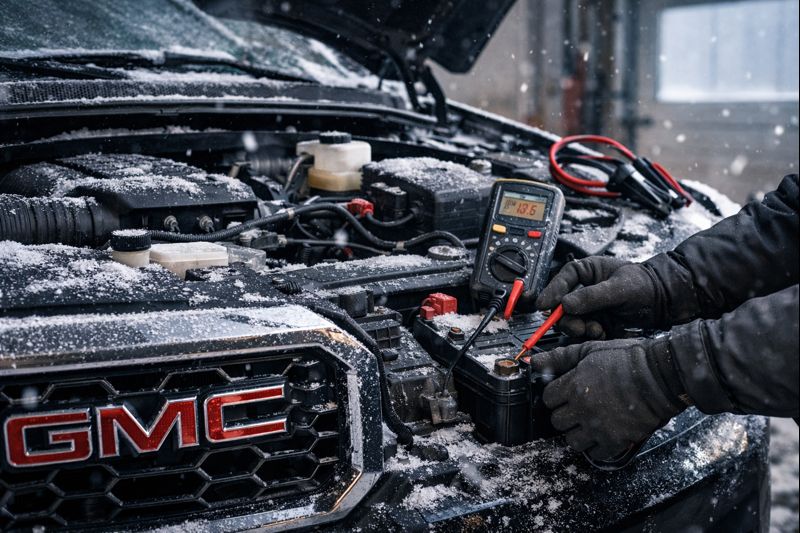
Read the rest of this entry »Cold weather exposes weaknesses in vehicle batteries and electrical systems that often remain hidden during warmer months. GMC vehicles are engineered with advanced electronics, comfort systems, and driver assistance technology that depend on stable electrical performance. Understanding how winter temperatures affect these systems helps prevent unexpected no start situations and protects long-term reliability.
Why Cold Temperatures Reduce Battery Performance
Vehicle batteries generate power through chemical reactions. As temperatures drop, these reactions slow, reducing the amount of energy available for starting the engine.
Cold weather effects include:
- Reduced battery output capacity
- Increased engine resistance during startup
- Higher electrical demand before ignition
This combination creates the most stressful operating condition a battery experiences all year.
Modern GMC Electrical Load Explained
Before the engine even starts, GMC vehicles activate multiple systems.
Electrical demand during startup includes:
- Control modules initializing
- Infotainment and digital displays powering on
- Climate systems preparing defrost functions
- Safety systems running system checks
This immediate load means a marginal battery may fail even if it appeared functional in warm conditions.
Common Winter No Start Symptoms
Cold weather battery failure often provides warning signs.
Symptoms drivers may notice include:
- Slower or labored engine cranking
- Dimming lights during startup attempts
- Intermittent starting success
- Warning messages related to low voltage
Addressing these signs early reduces the likelihood of complete battery failure during extreme cold.
Battery Age and Winter Reliability
Most vehicle batteries last between three and five years depending on use and climate. As batteries age, internal resistance increases, making them more susceptible to cold temperature failure.
Factors that accelerate wear include:
- Frequent short trips
- Extended vehicle inactivity
- High electrical accessory usage
A battery nearing the end of its service life may fail suddenly once cold weather arrives.
Electrical System Health Beyond the Battery
Battery performance depends on the entire electrical system.
Critical components include:
- Charging system output ensuring the battery recharges fully
- Clean and secure battery terminals preventing voltage loss
- Ground connections maintaining consistent electrical flow
- Starter motor efficiency under load
A strong battery cannot compensate for faults elsewhere in the system.
Winter Driving Habits That Increase Battery Strain
Certain winter habits place additional stress on electrical systems.
These include:
- Multiple short trips without sufficient recharge time
- Prolonged use of heated seats and defrost systems
- Vehicle sitting unused for extended periods
Adjusting usage patterns or scheduling system checks helps offset these effects.
Proactive Winter Preparation Steps
Preventive maintenance is the most effective way to avoid cold weather electrical issues.
Recommended winter preparation includes:
- Battery testing before sustained cold weather
- Electrical system inspection to verify charging performance
- Cleaning battery terminals and securing connections
- Confirming proper operation of defrost and heating systems
These steps support reliable cold weather operation and reduce emergency repair risk.
Impact on Electrified GMC Vehicles
Electric and electrified GMC models experience different winter behaviors.
Cold temperatures can:
- Reduce temporary driving range
- Increase energy usage for cabin heating
- Slow charging until battery temperature stabilizes
Understanding these characteristics helps owners plan winter driving more effectively.
Long Term Benefits of Seasonal Electrical Maintenance
Winter electrical checks support more than immediate reliability.
Benefits include:
- Reduced starter and alternator strain
- Improved longevity of electronic components
- Consistent performance of safety and comfort systems
For GMC owners, maintaining electrical health preserves the dependable performance the brand is known for.
Final Owner Perspective
Cold weather challenges vehicle batteries and electrical systems in ways no other season does. By understanding how low temperatures affect battery chemistry, electrical load, and startup demands, GMC owners can prepare proactively. Seasonal inspection and timely maintenance reduce winter downtime and help ensure confident, reliable driving throughout colder months.
The 2025 GMC Yukon is engineered for drivers who need full-size SUV capability without sacrificing interior comfort or everyday usability. It serves families, professionals, and active owners who require space, power, and refinement in a single vehicle. Understanding how the Yukon’s interior layout, features, and trim levels are designed helps shoppers select a configuration that fits real world needs rather than assumptions about size alone.

Full Size Platform and Interior Architecture
The Yukon is built on a body on frame platform designed to support passenger load, cargo weight, and long-term durability. This architecture allows for a taller seating position, greater interior volume, and stronger towing capability compared to unibody SUVs.
Platform advantages include:
- Structural strength under passenger and cargo load
- Higher ride height improving visibility
- Interior proportions designed for adult comfort in all rows
This foundation is what separates the Yukon from midsize SUVs that prioritize efficiency over maximum space.
Seating Capacity and Passenger Comfort
Yukon interior design focuses on usable space across all three rows.
Passenger comfort highlights include:
- Wide seating surfaces supporting long drives
- Second row legroom accommodating adults comfortably
- Third row designed for regular use rather than occasional seating
- Large door openings improving entry and exit
For families who frequently travel with passengers, this layout reduces compromise compared to smaller SUVs.
Cargo Space and Everyday Flexibility
Cargo capacity is one of the Yukon’s defining strengths.
Key usability considerations include:
- Ample cargo room behind the third row for luggage or gear
- Flat load floor when rear seats are folded
- Strong roof and hitch ratings supporting external cargo solutions
This flexibility allows the Yukon to shift easily between people transport and cargo hauling without reconfiguration challenges.
Technology Systems and Driver Interface
Technology in the 2025 Yukon is focused on supporting driver awareness and passenger convenience.
Core technology areas include:
- Central infotainment system with clear menu structure
- Digital driver information display presenting vehicle and navigation data
- Available surround vision systems improving parking and trailer maneuvering
- Connectivity features supporting multiple devices simultaneously
Rather than overwhelming the cabin, technology is integrated to support daily driving confidence.
Safety and Driver Assistance Features
Yukon safety systems are designed to manage the vehicle’s size proactively.
Key safety features shoppers evaluate include:
- Forward collision alert with braking support
- Lane assistance improving highway stability
- Blind zone monitoring accounting for vehicle length
- Camera systems aiding low-speed maneuvering
These systems reduce fatigue and help drivers manage the Yukon’s full-size footprint.
Trim Level Differentiation Explained
Yukon trims are structured to scale capability and comfort logically.
Lower trims focus on:
- Core full-size space and strength
- Essential safety and infotainment systems
- Durable interior materials
Mid-level trims add:
- Enhanced interior finishes
- Additional technology and convenience features
- Improved ride comfort and noise control
Upper trims prioritize:
- Premium materials and design details
- Advanced driver assistance systems
- Greater refinement for long-distance travel
Understanding trim escalation helps buyers choose features that align with actual use rather than perceived status.
Yukon Versus Midsize SUV Considerations
Many buyers compare the Yukon to midsize SUVs before deciding.
Yukon advantages include:
- Greater third row comfort
- Higher cargo capacity under load
- Increased towing capability
Midsize SUVs offer lower operating costs but require compromises in space and capacity. The Yukon is designed for buyers who value room and strength over minimal footprint.
Ownership and Long Term Expectations
Full-size SUV ownership carries different expectations.
Considerations include:
- Fuel use tied to vehicle mass
- Tire and brake wear proportional to size
- Maintenance intervals designed for durability
For owners who regularly use passenger and cargo capacity, these factors are justified by capability.
Final Buyer Perspective
The 2025 GMC Yukon delivers full-size SUV capability with thoughtful interior design, advanced technology, and structured trim options. Buyers who understand how space, features, and trims align with real world use are best positioned to choose a Yukon that supports both daily driving and long-term ownership confidence.
Connect with us


