



GMC battery warning signs rarely appear all at once. They build gradually, and the early ones are easy to dismiss as minor inconveniences. Summer heat accelerates that process by stressing the battery chemistry at a faster rate than most drivers expect. Catching those signs before peak travel season keeps a dead battery from ending a trip in a parking lot three hours from home.
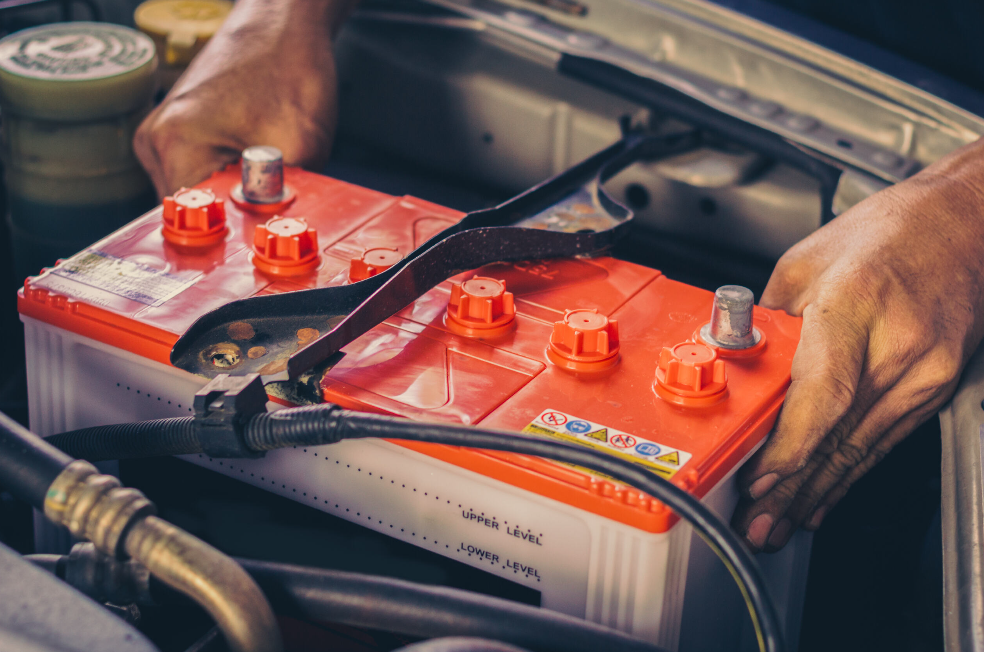
Why Summer Heat Damages Batteries Faster Than Cold
Most drivers associate battery failure with winter cold. Cold weather does reduce battery output, but summer heat causes a different and more permanent type of damage.
A lead-acid battery produces power through a chemical reaction between lead plates and a liquid electrolyte solution. High ambient temperatures cause that electrolyte to evaporate. As the fluid level drops, the lead plates become exposed to air inside the battery case. Exposed plates corrode and lose their ability to hold a charge. That damage does not reverse when temperatures drop. It accumulates with every hot day and compounds through the summer months.
Under-hood temperatures in Louisiana can reach 20 to 30 degrees above the outdoor ambient temperature. A 95-degree afternoon produces under-hood conditions well above 115 degrees around the battery. At those temperatures, electrolyte evaporation accelerates sharply and plate degradation moves faster than the national average battery lifespan figures account for. A battery that might last four years in a cooler climate can reach its failure threshold in two to three years under sustained Louisiana summer conditions.
The Warning Signs That Appear Before a Battery Fails
Battery failure is not usually sudden. It follows a progression, and the earlier stages give a driver time to act before the vehicle leaves them stranded.
Understanding that progression changes how a driver reads what they see and hear. A single dim light or one slow crank is easy to ignore. Recognizing it as an early-stage signal changes the response.
The following warning signs are ordered from earliest to most advanced:
- Electrical accessories including power windows, heated seats, and infotainment systems respond more slowly or require a second attempt. This reflects a battery that is losing output capacity before the drop becomes severe enough to affect the starter motor.
- Radio station presets and clock settings reset after the vehicle sits overnight. This indicates the battery is no longer holding enough charge to maintain the vehicle’s memory systems during extended off periods.
- Headlights appear dim at idle and brighten noticeably when the engine revs. This shows the battery is not holding sufficient charge and the vehicle is relying heavily on the alternator to supplement power at low engine speeds.
- The engine cranks slowly or hesitates before starting. At this stage, the battery is delivering noticeably reduced amperage to the starter motor and the failure window is close.
- A sulfur or rotten egg odor near the battery indicates the electrolyte is overheating and producing hydrogen sulfide gas. This is a physical battery emergency requiring prompt inspection.
- A visibly swollen or bloated battery case means internal heat has built up to the point of physical deformation. This battery needs immediate replacement and should not be driven on.
Any sign from the third stage onward warrants a same-week service appointment. Signs from the fifth and sixth stages require immediate attention.
How Modern GMC Electrical Systems Raise the Stakes
An older vehicle’s battery supported a relatively simple electrical load. Modern GMC vehicles carry a far more demanding set of systems that depend on consistent voltage to function properly.
The Sierra, Yukon, Acadia, and Terrain all operate Forward Collision Alert, Lane Keep Assist, Automatic Emergency Braking, and Adaptive Cruise Control through control modules that require stable battery voltage to initialize and maintain function. When battery voltage drops below the system threshold, those modules can shut down, generate fault codes, or produce warning lights that do not reflect an actual system failure but rather a power supply issue.
Beyond safety systems, the infotainment stack, digital instrument cluster, and fuel management system also draw from the battery at startup and during low-speed operation. A battery that tests at marginal capacity may start the vehicle consistently while quietly degrading the performance of these systems in ways a driver does not immediately connect to a battery problem. A flickering display, a navigation system that takes longer to initialize, or an engine that idles rougher than usual can all trace back to a battery operating below its rated output.
Battery Warning Light or Alternator Warning: How Do You Read the Difference?
The battery warning light on a GMC instrument cluster activates when the charging system voltage drops below approximately 12.5 volts. That light indicates a charging system problem. It does not always mean the battery itself has failed.
The alternator charges the battery while the engine runs. If the alternator fails, the battery drains even while driving and the warning light appears on a battery that was otherwise healthy. Distinguishing between the two failure sources changes the correct repair.
The following signal patterns help identify which component is responsible:
- If the warning light appears and the vehicle starts reliably from a full charge but dims its electrical accessories progressively while driving, the alternator is likely the source. The battery discharged because it stopped receiving a charge, not because it failed internally.
- If the warning light appears and the vehicle struggles to start after sitting overnight, electrical accessories work normally while driving, and the problem improves immediately after a jump start, the battery is the more likely failure point.
- If the warning light appears alongside multiple unrelated warning lights, a fault code for a control module, or a sudden loss of power to infotainment systems while driving, a failing alternator should be the first item tested rather than the battery.
A GMC Certified Service battery and charging system test evaluates both components together, which is the only way to confirm which one is causing the warning before replacing the wrong part.
When to Schedule a Battery Check Before Summer Travel
The most reliable pre-travel battery check uses two inputs: the vehicle’s own Driver Information Center and a physical inspection under the hood.
The DIC on current GMC models displays battery voltage and charging system status in the vehicle information menu. A healthy battery at rest reads between 12.4 and 12.7 volts with the engine off. A reading below 12.2 volts at rest after a full overnight indicates a battery that is not holding a full charge. A reading at or below 12.0 volts is a battery that needs professional testing before any extended drive.
Physical inspection adds what the voltage reading cannot show. White or blue-green powdery buildup on the battery terminals indicates corrosion that restricts the connection between the battery and the vehicle’s electrical system. That corrosion can cause symptoms that resemble a failing battery even when the battery itself still holds adequate charge. A loose hold-down bracket allows the battery case to vibrate, which accelerates internal plate damage over time.
For Louisiana drivers, a battery that is three years old or older going into summer deserves a professional load test regardless of how the vehicle starts. A load test measures how well the battery holds voltage under the electrical demands of startup rather than just its resting charge level. A battery can pass a resting voltage check and still fail a load test. Scheduling that test before the Fourth of July travel window, before school year driving patterns resume in August, or before any planned road trip gives a driver a confirmed answer before the stakes are high.
Connect with us


