
Blog / Hammond GMC Dealer

Blog

All Hammond GMC Dealer Hammond GMC Service Awards Car Care & Service
Comprehensive Guide to OEM Auto Parts: Serving Hammond, Baton Rouge, and Covington

Comprehensive Guide to OEM Auto Parts: Serving Hammond, Baton Rouge, and Covington

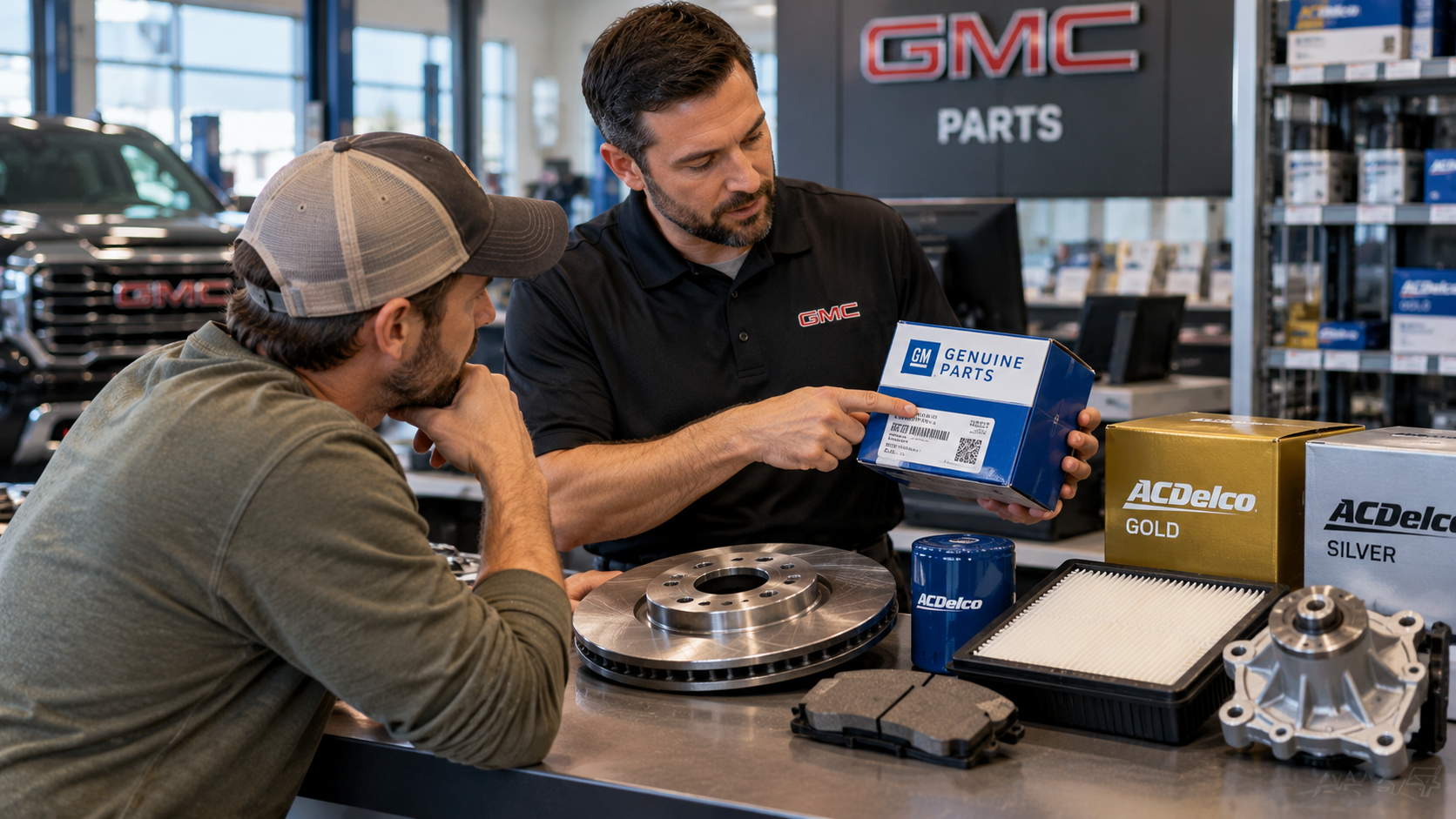
Genuine GM OEM parts should match your vehicle and come from a source you can verify before installation. Whether your GMC needs brake components, a sensor, or cooling repairs, the correct replacement part matters. However, a familiar logo or matching part number cannot establish authenticity by itself. You also need to check the seller, product classification, and warranty documentation. This guide explains what to verify before purchasing replacement parts for your GMC in Hammond, Louisiana. Genuine GM OEM Parts and Product Classifications Original Equipment, or OE, identifies components that meet the vehicle manufacturer's specifications for the applicable application. GM Genuine Parts and ACDelco Original Equipment represent replacement components validated by General Motors for applicable vehicles. However, the ACDelco name also appears on aftermarket product lines. Understanding those classifications is essential before comparing replacement options. GM identifies three primary packaging categories. GM Original Equipment uses blue branding, ACDelco Gold uses metallic gold, and ACDelco Silver uses metallic silver. The packaging also features identifying patterns and product information. ACDelco Gold and Silver are legitimate GM-backed aftermarket product lines. They should not be mistaken for counterfeit components simply because they are not Original Equipment. Consider a replacement water pump for a GMC Acadia. The component must match the engine configuration and cooling connections. A part that resembles the original may still have different mounting points or specifications. Similarly, a GMC Sierra brake component must match the installed braking configuration. Identifying the correct product begins with the vehicle's year, model, engine, and original equipment details. Before choosing between product lines, confirm the manufacturer's classification and intended vehicle application. How to Verify Genuine GM Parts How can you identify an authentic GM replacement part? Start by examining the packaging, manufacturer markings, and supporting documentation. Then confirm the product through a reputable purchasing source. GM incorporates packaging features that assist with product identification. These include color coding, product labels, and security features. However, counterfeit manufacturers may imitate legitimate packaging. Use these checks before accepting a replacement component: Check the product packaging: Look for appropriate GM Genuine Parts or ACDelco identification, clear printing, and intact packaging. Suspicious spelling, unusual artwork, or poor printing warrants further verification. Review the security label: GM uses security features on its current packaging. Compare the package with official manufacturer guidance before relying on its appearance. Confirm the part number: Compare the identifier against the correct GMC application using vehicle details. A matching number supports identification but does not independently prove authenticity. Inspect the component: Look for manufacturer markings, material defects, damaged connectors, and differences from the specified part. Ask a qualified parts specialist about anything unusual. These checks work together. A convincing label does not establish a trustworthy purchasing source. Price can also raise questions. An unusually inexpensive component may warrant further investigation, although legitimate sellers can have different prices. Do not install a suspicious electronic or mechanical component before resolving questions about its origin. Incorrect parts may create fitment problems or damage related components. Keep the packaging, receipt, and product information until verification is complete. How to Verify Parts Sellers and Online Purchases Buying replacement parts online requires attention to the seller as well as the product. A listing that displays genuine branding does not automatically prove that the seller supplies authentic merchandise. GM recommends purchasing its genuine products through GM dealerships or authorized ACDelco resellers. These channels provide a clearer route for verifying product origin and addressing questions. Before placing an order, identify the business responsible for the sale. Review its contact information, product description, return terms, and available warranty documentation. Next, confirm the exact part application. A GMC Terrain engine air filter must match the correct housing. Similarly, a GMC Yukon electronic sensor must correspond to its installed equipment. Vehicle identification is particularly useful when several versions of a component exist. The VIN can identify production details that a basic model name cannot establish. Request confirmation when the listing provides incomplete compatibility information. Also review whether the part is new, remanufactured, or another clearly identified product classification. After purchasing, save the invoice and any written manufacturer warranty information. These records may be necessary if a product requires warranty consideration. If the part arrives damaged or appears suspicious, contact the seller before installation. GM OEM Parts Warranty and Transferability Do genuine GM parts include warranty coverage? Many do, but the terms vary across product categories. The specific part and applicable warranty documents establish the coverage. GM lists a 24-month, unlimited-mile limited warranty for most GM Original Equipment, ACDelco Original Equipment, and Gold parts. Its Silver product line carries a 12-month, unlimited-mile limited warranty for listed products. However, GM also publishes separate warranty provisions for certain components. Some product categories have limited lifetime coverage, while batteries and other items may use different terms. Before purchasing, verify these warranty details: Coverage period: Confirm the applicable time and mileage limits for the specific product. Do not assume every GM component carries identical coverage. Covered defects: Review whether the warranty addresses defects in materials or workmanship. Normal wear, improper installation, or damage from misuse may fall outside coverage. Labor reimbursement: Ask whether removal, installation, or diagnostic labor qualifies. Parts-only purchases and dealership-installed repairs may follow different provisions. Purchaser eligibility: Confirm whether coverage belongs to the original retail purchaser or can transfer. Review ownership restrictions before relying on remaining coverage. Warranty transferability deserves particular attention when buying a used vehicle or replacement component from another owner. Certain GM warranty provisions limit coverage to the first retail purchaser. Other provisions contain ownership requirements tied to the vehicle. Therefore, do not assume a replacement part's remaining warranty automatically transfers with the vehicle. Request the specific warranty document and clarify eligibility with the seller. Keep the original sales receipt or repair order. These records establish purchase details and may be required for a claim. OEM Versus Aftermarket Parts for GMC Repairs Genuine Original Equipment and legitimate aftermarket parts are different purchasing categories. A counterfeit component falsely presents itself as an authentic product from another manufacturer. An aftermarket replacement sold under its actual manufacturer's name is not counterfeit merely because GM did not manufacture it. For GMC repairs, component selection should begin with the required specifications. A GMC Sierra spark plug must match the engine's ignition requirements. Similarly, a replacement wheel-speed sensor must communicate correctly with the vehicle's electronic controls. Incorrect specifications can lead to installation problems or faulty operation. Therefore, compare fitment information and installation instructions before purchasing. Warranty rules also deserve attention. The Federal Trade Commission explains that aftermarket or recycled parts do not automatically void a vehicle manufacturer's warranty. However, damage caused by a defective part or improper installation may affect coverage for the resulting repair. The manufacturer must establish the relevant connection when denying coverage on that basis. The same care applies to installation. Certain electronic modules, sensors, and advanced driver assistance components may require calibration or programming. Before ordering, ask whether the repair requires specialized equipment, software, or additional components. Choosing a replacement part should involve correct fitment, verified product origin, installation requirements, and written warranty terms. Ordering GMC Parts at Ross Downing GMC Before ordering a replacement component, gather the information needed to identify your GMC accurately. This reduces uncertainty when several parts may fit different configurations of the same model. Prepare the following details: Vehicle identification: Provide the model year, make, model, trim, and VIN when available. These details help identify the original equipment configuration. Required component: Describe the replacement part and its location. Include an existing part number or technician's diagnosis when available. Repair information: Explain whether the component is part of scheduled maintenance or a diagnosed repair. Mention related parts that may also need inspection. Warranty questions: Request the applicable product warranty, installation requirements, and return terms before completing the order. You can submit a request through the Ross Downing GMC parts ordering page. The dealership's parts team can review the submitted vehicle information and requested components. If you also need a professional diagnosis or installation, explore the Ross Downing GMC service department. Ask about the repair procedure and applicable warranty terms before scheduling work. Whether you're replacing GMC Sierra brake components or a GMC Acadia cooling part, accurate identification should guide the purchase. Verify the source, review the documentation, and confirm the correct application before installation. These steps make it easier to choose the right replacement component and understand the coverage accompanying your purchase.
Used GMC Canyon Buyer’s Guide: Best Years, Trims, and What to Look For (2017–2025)

Used GMC Canyon Buyer’s Guide: Best Years, Trims, and What to Look For (2017–2025)

A used GMC Canyon deserves a closer look at its model year, maintenance history, and mechanical condition before you make a decision. Two trucks with similar mileage may have very different service records and repair needs. Which Canyon years deserve consideration, and how can you judge their remaining service life? Start with the mechanical differences between generations. Then examine engine maintenance, transmission operation, and evidence of previous towing or trail use. These checks give Hammond-area shoppers a clearer foundation for comparing used midsize trucks. GMC Canyon Model Years and Generation Differences The 2017 through 2022 GMC Canyon belongs to the second generation. These trucks offered several engine choices, including gasoline four-cylinder, V6, and available Duramax diesel configurations. The traditional dashboard layout also uses physical controls for several cabin functions. However, engine and transmission combinations vary by model year. The 2023 redesign introduced a different mechanical foundation. GMC replaced the earlier engine selection with a standard 2.7L turbocharged gasoline engine. The revised truck also received updated cabin displays, a wider track, and greater ground clearance. The main model-year groups to consider include: 2017 through 2019 Canyon: These trucks provide earlier second-generation equipment and several engine choices. Examine maintenance records, transmission operation, and evidence of previous repairs. 2020 through 2022 Canyon: These later second-generation trucks retain familiar engine choices and cabin layouts. Compare their installed equipment, service history, and mechanical condition. 2023 through 2025 Canyon: The redesigned trucks introduce turbocharged power, revised suspension geometry, and modern electronic interfaces. Test the updated equipment and review engine maintenance records. 2026 Canyon: The current generation retains the TurboMax gasoline engine. Verify service records, original equipment, and warranty eligibility when considering a used example. A newer Canyon may offer equipment that an older truck lacks. Still, production year alone cannot establish mechanical quality. Compare the equipment you need with the condition of the individual truck. GMC Canyon Reliability by Year Which GMC Canyon years are the most reliable? A model-year ranking cannot establish whether a particular truck has received proper maintenance. Published reliability research may use complaint reports, repair surveys, or other records. Therefore, different sources can produce different rankings for the same model. For 2017 through 2022 trucks, transmission history deserves attention. Certain earlier eight-speed automatic configurations have documented reports of torque-converter shudder. This can feel like vibration or repeated hesitation during steady acceleration. However, similar symptoms can have other mechanical causes. A technician should identify the transmission configuration and examine any reported symptoms. Request service invoices for fluid changes, diagnostic work, and previous repairs. A road test should include steady cruising, acceleration, and low-speed shifting. For 2023 and newer trucks, review maintenance records for the turbocharged engine and electronic controls. Check for warning messages, unusual engine noises, coolant concerns, and software-related service visits. These checks do not suggest that every redesigned Canyon has the same problems. Recall research adds another layer. Enter the truck's vehicle identification number into the federal recall database. Confirm whether any safety campaigns apply and request documentation for completed remedies. A clean vehicle history report is useful, but it does not replace mechanical inspection. Repair work may not appear in every reporting database. For this reason, compare the reported history with service invoices and the truck's present condition. GMC Canyon Engines, Transmissions, and Trims Engine selection creates a substantial difference between Canyon generations. Earlier trucks offered gasoline and diesel choices, while the redesigned generation uses a turbocharged gasoline engine. The available 3.6L V6 uses natural aspiration to draw air into the engine. Earlier 2.8L Duramax diesel models use turbocharging and produce substantial torque at lower engine speeds. Diesel shoppers should examine fuel service, emissions equipment, and maintenance documentation. The 2023 Canyon introduced a 2.7L turbocharged four-cylinder with 310 horsepower and 430 lb-ft of torque. Turbocharging forces additional air into the engine, supporting greater torque output from a smaller displacement. The engine works with an eight-speed automatic transmission. Because the mechanical designs differ, verify the correct maintenance schedule for each truck. During a test drive, listen for unusual noises and monitor temperature readings. Also check for warning lights and uneven acceleration. Trim selection brings another set of inspection priorities. Elevation, AT4, Denali, and AT4X models have different equipment packages across the production years. AT4 models emphasize terrain-focused equipment. Denali versions place greater attention on interior appointments and available technology. The 2023 AT4X introduced specialized Multimatic DSSV dampers and electronic locking differentials. Those dampers regulate fluid movement through internal valves to control suspension motion. The locking differentials can help maintain wheel rotation when traction varies across an axle. Inspect the components and verify their operation on any AT4X under consideration. GMC Canyon Mileage and Longevity How many miles can a 2022 GMC Canyon last? No mileage figure can guarantee how long an individual truck will remain mechanically sound. Remaining service life reflects past maintenance, operating demands, component wear, and repair history. A Canyon approaching 150,000 miles may have undergone extensive maintenance. Another truck with fewer miles might still need substantial repairs. Therefore, the odometer should begin the evaluation, not finish it. Review the following maintenance records when comparing trucks: Engine service: Check oil change records, cooling repairs, fluid leaks, and documentation for previous mechanical work. These records establish which maintenance tasks were completed. Transmission and driveline: Review fluid service, shifting complaints, transfer-case maintenance, and repair invoices. Confirm which transmission and drivetrain the truck uses. Brakes and tires: Examine replacement dates, tread wear, brake service, and wheel alignment records. Uneven wear can justify further suspension inspection. Suspension and steering: Look for shock replacement, bushing repairs, steering work, and underbody damage. Trail and work history may warrant closer attention. Towing history deserves separate review. Trailer loads increase the demands placed on brakes, cooling components, tires, and driveline hardware. Inspect the receiver hitch, trailer wiring, and mounting points for damage or modifications. The truck's published tow rating must also match its exact configuration. Engine, drivetrain, equipment, and trim can change the rating. Before towing, verify loaded trailer weight, tongue weight, and available payload. Long service gaps deserve questions, but missing paperwork alone does not prove neglect. A qualified inspection can identify present mechanical concerns that records cannot explain. What to Inspect Before Buying a Used GMC Canyon A pre-purchase inspection should examine the truck while parked and during a road test. It should cover the powertrain, chassis, electronics, and documentation. Start with a cold engine when possible and listen for unusual startup noises. The inspection should address these specific areas: Engine and transmission: Check for leaks, fault codes, unusual noises, shifting delays, and vibration during steady acceleration. Request further diagnosis when symptoms appear. Suspension and steering: Inspect shocks, bushings, wheel bearings, steering components, and tire wear. Examine specialized AT4X suspension hardware when fitted. Frame and underbody: Look for corrosion, impact damage, bent protection plates, and previous repairs. Check the condition of hitch mounts and exposed driveline components. Four-wheel-drive equipment: Verify transfer-case engagement and applicable differential controls. Confirm that the truck responds correctly during a suitable low-speed test. Electronics and documentation: Test cameras, displays, climate controls, and warning indicators. Match the VIN with ownership records and check outstanding recalls. After the physical inspection, review title status and available service invoices. Confirm whether previous damage received documented repairs. A vehicle history report should support this review, not serve as its only source. Finally, request an independent mechanical inspection before purchasing. A technician can evaluate concerns discovered during the road test and identify repairs that deserve further discussion. Choosing a Used GMC Canyon at Ross Downing GMC Your next step is to compare individual trucks using the same evaluation criteria. Begin with the model years and powertrains that suit your driving plans. Then review maintenance records, mileage, mechanical condition, and available equipment. An earlier V6 or diesel Canyon may suit a shopper seeking those specific engine configurations. A newer TurboMax Canyon offers a different powertrain and cabin layout. If trail travel is part of your plans, inspect the fitted suspension and four-wheel-drive hardware carefully. You can explore Ross Downing GMC's used inventory to review available trucks and compare their listed equipment. The dealership's certified pre-owned inventory provides another shopping path. Confirm which vehicles meet the applicable certification requirements and what coverage accompanies each listing. Before making your selection, ask about service records, previous repairs, and inspection findings. Schedule a test drive to assess steering, shifting, braking, and cabin controls. The right used GMC Canyon should match your driving plans and have a mechanical history you can evaluate.

Used GMC Yukon Buyer's Guide to Reliability and Best Years

Used GMC Yukon Buyer’s Guide: Best Years, Trims, and Features 2018–2025

A used GMC Yukon can offer years of family travel, but its model year tells only part of its mechanical history. Which model years deserve a closer look, and what should you inspect before purchasing? Start with the generation, engine, and service records. Then examine the specific SUV for wear, unresolved recalls, and equipment that needs repair. This used GMC Yukon guide covers those decisions for shoppers comparing vehicles near Hammond, Louisiana. GMC Yukon Model Years and Generation Changes The 2018 through 2020 GMC Yukon models use the earlier full-size, body-on-frame design. Their solid rear axle connects both rear wheels through one axle assembly. The setup differs from the independent rear suspension introduced for 2021. However, an older design alone does not establish superior reliability. The redesigned 2021 Yukon gave each rear wheel its own suspension movement. Therefore, a bump beneath one rear wheel does not require identical movement from the other. The updated layout also made room for a lower cargo floor and more usable third-row space. The 2025 Yukon received another substantial update without a complete generation replacement. GMC introduced a redesigned dashboard with a 16.8-inch central screen and revised trim offerings. Here are the primary model-year distinctions to consider: 2018–2020 GMC Yukon: These models use the earlier suspension design and offer established gasoline V8 configurations. Inspect steering, suspension, transmission, and rear axle components. 2021–2024 GMC Yukon: This redesigned generation introduced independent rear suspension, updated cabin dimensions, and available diesel power. Review electronic equipment, engine records, and suspension condition. 2025 GMC Yukon: The refreshed model introduced updated interior technology and revised trims, including AT4 Ultimate. Confirm installed features and review service documentation. 2026 GMC Yukon: Review original equipment details, powertrain specifications, and service records when considering a used example from this model year. A Yukon XL also deserves consideration. Its longer body provides more cargo room behind the third row. However, the added length changes parking and maneuvering needs. Compare the regular Yukon and Yukon XL with your normal passenger load and cargo. GMC Yukon Reliability by Year Which GMC Yukon year is most reliable? No model year can guarantee the mechanical health of an individual SUV. Reliability research provides useful starting points through complaint patterns, recall notices, and recorded repairs. Still, those sources measure different things. A complaint count does not establish that every vehicle built that year has the same defect. The 2018 through 2020 models have older mechanical layouts and established service histories. Review maintenance records for the engine, transmission, steering, and rear axle. For 2021 through 2024 vehicles, examine service records for the newer suspension architecture and installed electronic equipment. The 2025 refresh also warrants checks of its updated cabin features and software operation. Certain 2021 through 2024 Yukons equipped with the 6.2L L87 V8 are included in NHTSA recall 25V274. The recall addresses engine components that may suffer damage and lead to engine failure. Not every Yukon from those years falls within the affected production range. Therefore, check the vehicle identification number and request records confirming any required recall remedy. A vehicle history report can reveal reported collisions, title events, and some recorded services. However, it may omit work completed outside participating repair networks. Ask for invoices when available. A technician's inspection adds evidence that a broad model-year ranking cannot supply. GMC Yukon Engines, Transmissions, and Trims Used Yukon powertrains vary by model year. The 5.3L gasoline V8 is a familiar option in several trims. The 6.2L V8 supplies higher output in applicable configurations. A 3.0L Duramax diesel joined the redesigned generation, with availability varying by model and trim. The earlier 3.0L diesel produced 277 horsepower and 460 lb-ft of torque. For 2025, GMC raised output to 305 horsepower and 495 lb-ft. Therefore, do not treat all Duramax Yukons as mechanically identical. Diesel shoppers should also review emissions equipment maintenance and the correct service schedule. Transmission selection also changes across the years. Some earlier Yukons use six-speed or eight-speed automatics, while other configurations use a ten-speed. Check the original equipment details for the exact vehicle. During a test drive, note delayed engagement, harsh shifts, vibrations, or fluid leaks. Have a technician assess any irregular operation. Trims require similar care. Earlier SLE and SLT models offer different seating and convenience equipment. AT4 versions add terrain-focused hardware on applicable years. Denali models feature upgraded cabin appointments and available chassis technology. For 2025, Elevation replaced the former entry trim naming, and AT4 Ultimate joined the range. Magnetic Ride Control adjusts damper resistance electronically. Available air suspension can also change ride height. As a result, inspect both ride quality and the related hardware on vehicles equipped with these features. Mileage, Maintenance, and Used Yukon Longevity How many miles can a used GMC Yukon last? There is no dependable mileage guarantee for every vehicle. Driving history, maintenance, repairs, and component wear all contribute to its remaining service life. A Yukon with higher mileage and complete records may deserve closer inspection than a lower-mileage example with missing documentation. Start by comparing the odometer with the documented service timeline. Check for service dates, recorded mileage, replacement components, and evidence of recurring mechanical problems. Key maintenance records to review include: Engine service: Review oil change intervals, cooling repairs, fluid leaks, and previous engine work to assess documented maintenance. Transmission and driveline: Check transmission service records, transfer-case maintenance on four-wheel-drive models, and any previous driveline repairs. Suspension and steering: Review replacement records for shocks, bushings, steering components, and available electronic suspension equipment. Brakes and tires: Compare replacement dates, tire wear patterns, and brake service to identify possible upcoming maintenance expenses. Large gaps in service records deserve additional questions. A missing record does not prove neglect, but it limits what a shopper can verify. Vehicle use deserves attention too. Repeated trailer hauling can place added demands on brakes, cooling, transmission components, and the hitch. Inspect trailer wiring and the receiver for damage or modifications. Towing ratings also vary with engine, drivetrain, axle ratio, and installed equipment. Never apply a single advertised maximum to every used Yukon. Instead, confirm the exact vehicle's published rating and the trailer's loaded weight. Account for passengers, cargo, tongue weight, and the vehicle's payload limits. What to Inspect Before Buying a Used GMC Yukon A complete pre-purchase inspection should include a road test, underbody review, and documentation check. It should also cover the installed equipment, since two Yukons from the same year may differ considerably. Start with a cold engine when possible. Listen for unusual noises and watch for warning lights before driving. Use the following checks as a starting point: Engine and transmission: Ask a technician to look for fluid leaks, unusual noises, fault codes, and shifting irregularities. Suspension and steering: Check shocks, bushings, wheel bearings, tires, and any fitted air suspension hardware for wear. Brakes and underbody: Inspect brake components, corrosion, hitch hardware, and signs of collision repairs or previous modifications. Cabin electronics: Test displays, cameras, seat controls, climate settings, and driver assistance features fitted to that Yukon. Recall and repair documentation: Verify the VIN, check outstanding safety recalls, and request records confirming completed repairs. Next, confirm the VIN on the vehicle matches its documentation. Review title details and available repair invoices. Finally, arrange an independent inspection before committing to a purchase. A clean appearance alone cannot establish mechanical condition. Choosing a Used GMC Yukon at Ross Downing GMC Your next step is to compare individual SUVs using the same criteria. First, narrow the model years according to seating, cargo room, and the equipment you want. Then examine maintenance records and inspection findings. A used GMC Yukon with the right trim but unresolved mechanical concerns may not fit your plans. If you need additional space behind the third row, compare available Yukon XL models. If towing is central to your plans, verify the hitch setup and rating for each SUV. For a technology-focused cabin, test the displays and suspension equipment before choosing a trim. Explore Ross Downing GMC's used inventory to see current vehicle listings. You can also review the dealership's certified pre-owned inventory and confirm which vehicles qualify for certification. Inventory and certification status may change. Bring your questions, review the vehicle's records, and request a test drive. The right Yukon is the one whose equipment, history, and inspection results suit your needs.

New vs Used SUV Comparison for Gonzales GMC Shoppers

New vs Used SUV Comparison for Gonzales GMC Shoppers

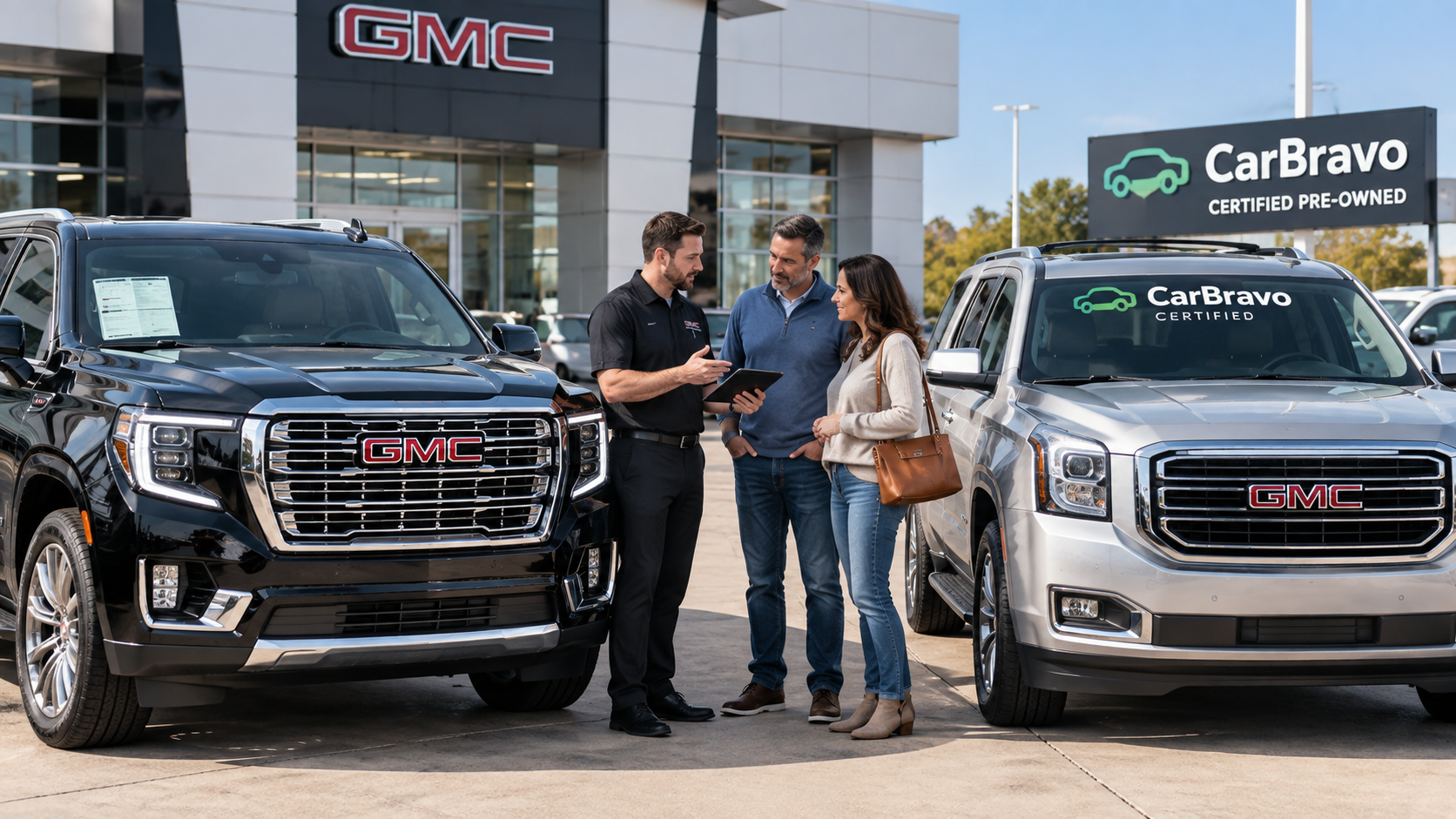
A new vs used SUV comparison can start with one simple question. How much vehicle history are you comfortable taking on? A new GMC starts with zero prior owners and full factory coverage. A CarBravo GMC has prior mileage, yet it also passes a formal certification process. Therefore, the decision reaches beyond sticker price alone. Warranty structure, depreciation, financing, mileage, and planned years of ownership all deserve attention. What Does CarBravo Include? CarBravo is GM's certified used vehicle program. It adds inspection, history information, warranty coverage, roadside assistance, and transportation support to eligible used vehicles. Therefore, it sits in a different category from an ordinary used vehicle listing. Every CarBravo vehicle receives a multipoint inspection from a Certified Service technician. Vehicles under 10 model years old with fewer than 100,000 miles receive a 126 point inspection. CarBravo also provides a free CARFAX Vehicle History Report. GM requires participating dealers to complete open safety recalls before listing or selling the vehicle. Those steps give shoppers several items to review before purchase: CarBravo certification includes a technician inspection focused on key parts and vehicle operation. A free CARFAX Vehicle History Report gives prior use and reported history details. Eligible vehicles receive limited warranty coverage, roadside assistance, and transportation support after purchase. Certification does not make every used GMC identical. Mileage, prior use, trim, condition, and service records can still vary from one vehicle to another. Therefore, each CarBravo GMC still deserves its own review. How Does New Vehicle Depreciation Change the Math? A new vehicle starts losing market value from its original new vehicle price after purchase. That early value change can represent a larger share of depreciation during the first years. A used GMC has already moved through part of that period before the next owner purchases it. That does not mean every used GMC will hold its value at the same rate. Model demand, mileage, condition, equipment, and market pricing all play a role. Still, depreciation should remain separate from the amount paid at signing. Consider the timing of your purchase and the years you expect to keep the SUV. A new GMC may offer more years before age and mileage climb. A CarBravo GMC may lower the amount tied up in the initial purchase. Therefore, the more useful comparison looks at purchase price and future value together. A lower price today can change how much depreciation remains ahead. A higher new vehicle price may pair with more factory coverage and zero prior mileage. How Warranty Coverage Differs New GMC and CarBravo warranty coverage should not be treated as the same product. Each path starts from a different point in the vehicle's life. New GMC vehicles registered in the United States include bumper to bumper limited warranty coverage. That coverage lasts 3 years or 36,000 miles, whichever comes first. GMC also lists a 5 year or 60,000 mile powertrain limited warranty for most current models. Certain engines and vehicle classes can use different terms. Eligible CarBravo vehicles under 10 model years old and below 100,000 miles receive separate certified used coverage. CarBravo lists a 12 month or 12,000 mile bumper to bumper limited warranty with no deductible. Coverage terms can interact with any remaining original factory warranty. Before choosing either path, compare the exact coverage attached to the specific vehicle. Review: The date when bumper to bumper coverage ends. The mileage limit attached to each warranty. Any remaining factory powertrain coverage. The CarBravo limited warranty period tied to the certified used vehicle. A newer CarBravo GMC may still carry part of its original factory coverage. An older certified vehicle may rely more heavily on the CarBravo warranty. Therefore, vehicle age and in service date matter during this comparison. Mileage Inspection and Vehicle History Mileage changes the context around a certified used GMC. A vehicle with 15,000 miles presents a different history than one approaching 90,000 miles. The certification process adds inspection, but the odometer still tells part of the story. The CARFAX report can show reported ownership changes, service records, and other recorded events. However, shoppers should pair that report with the physical inspection and dealer records. No single document tells every detail about prior use. Look at tire condition, brake condition, service history, interior wear, and remaining warranty time. Also review whether the trim includes the equipment you want. A lower purchase price can lose appeal if the SUV lacks features you planned to use. The same review applies across the GMC lineup. A Terrain, Acadia, Yukon, or other GMC can make sense through CarBravo when its history fits your plans. Financing and Monthly Cost Financing deserves its own comparison because purchase price does not create the monthly payment by itself. Rate, loan term, down payment, incentives, taxes, and financed amount all shape the final number. New GMC models may qualify for finance programs or incentives that do not apply to used inventory. CarBravo vehicles may start from a lower purchase price, yet used vehicle rates can differ. Therefore, compare complete loan offers instead of comparing sticker prices alone. Before signing, place these figures side by side: Vehicle selling price after applicable incentives. Down payment and trade value applied to the transaction. Annual percentage rate and total loan length. Estimated total paid across the full loan term. This view can reveal a result that the sticker price hides. A lower used price may still carry a different rate. A new GMC may cost more upfront but qualify for another financing structure. Choosing Based on How Long You Plan to Own the GMC A new vs used SUV comparison becomes clearer once you choose an expected ownership period. Time changes the importance of warranty coverage, mileage, depreciation, and financing. A shopper planning several years with the same vehicle may care about starting mileage and remaining warranty time. Someone focused on lowering the initial purchase amount may place more weight on CarBravo inventory. Neither path needs to fit every household. Start with the vehicle itself. Compare mileage, service history, warranty dates, trim equipment, and final financed cost. Then look at the years you expect to keep it. A new GMC gives you a fresh ownership starting point with full new vehicle coverage. CarBravo gives you a certified used path with inspection, history information, and separate warranty protection. Ross Downing GMC can show both paths side by side so you can compare the numbers tied to each vehicle. You can also browse new GMC inventory before your visit.

Sierra 1500 Trims AT4 vs AT4X for Gonzales Drivers

Sierra 1500 Trims AT4 vs AT4X for Gonzales Drivers

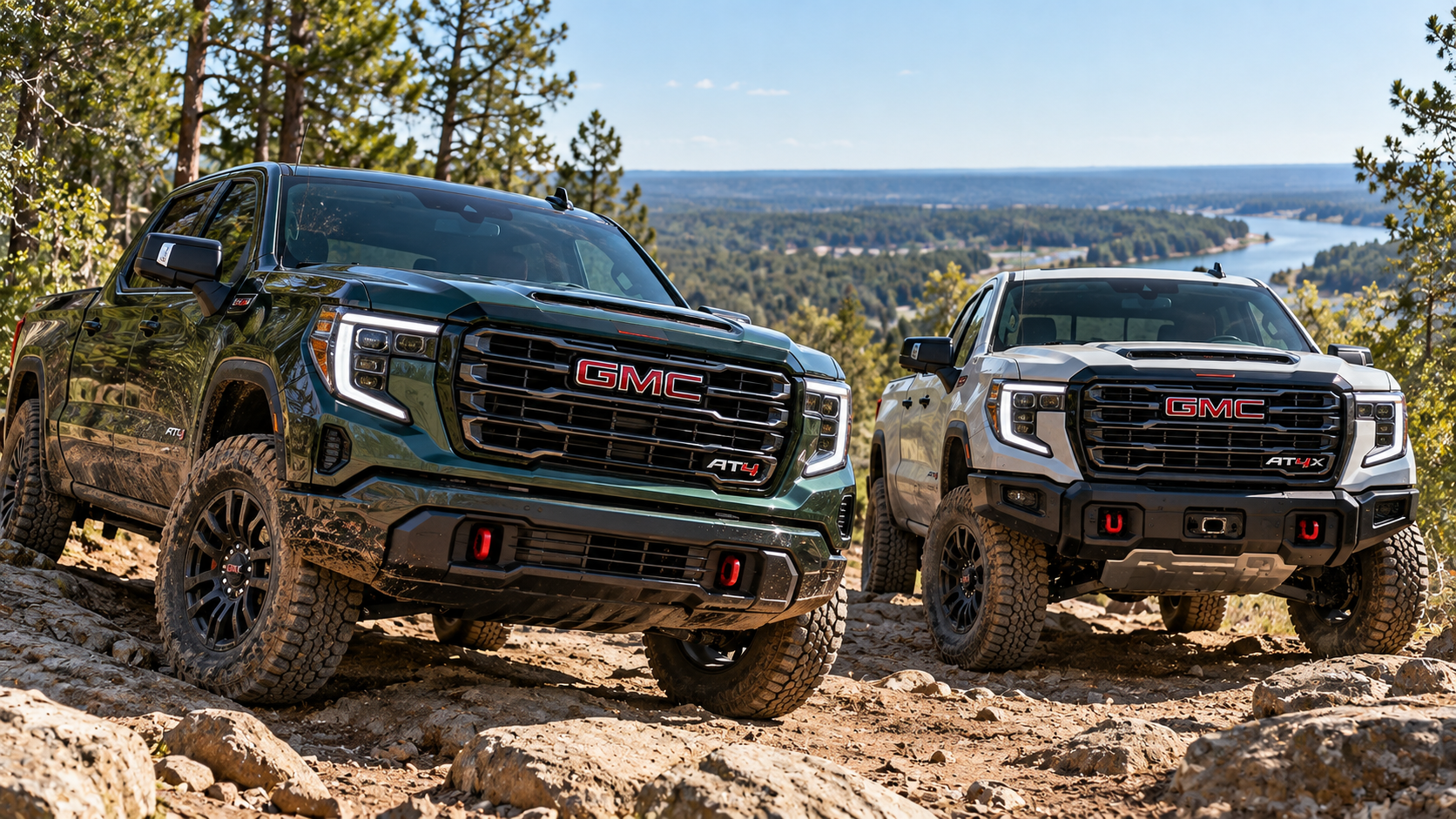
Sierra 1500 trims give Gonzales truck shoppers two distinct choices for travel beyond pavement. AT4 already brings substantial trail hardware directly from GMC. AT4X starts with that foundation and adds specialized equipment for tougher terrain. Therefore, the choice involves far more than appearance or trim badging. Suspension hardware, differential control, protection, towing needs, and cabin equipment deserve closer attention. Sierra 1500 AT4 and AT4X Share Strong Trail Hardware AT4 is not a basic Sierra with rugged styling added. It starts with hardware meant for dirt roads, trails, steep grades, and uneven surfaces. Therefore, understanding that foundation makes the AT4X upgrades much easier to judge. Both trucks receive a factory installed two inch suspension lift. That added ride height provides more clearance beneath the truck when terrain becomes rough. Both also include Hill Descent Control for slower travel down steep grades. The GMC Sierra 1500 AT4 uses a two speed Autotrac transfer case. Low range gearing gives the driver another tool for slow travel across difficult terrain. Underbody skid plates also protect important areas below the truck from contact with rocks or trail debris. AT4X retains the core AT4 equipment while changing several important components. Therefore, choosing AT4X is less about gaining basic trail readiness. The decision centers on how specialized the hardware needs to become. Before comparing the upgrades, consider what both trucks already bring: Both receive a factory installed two inch lift for increased clearance beneath the truck. Both include four wheel drive equipment intended for travel on loose or uneven surfaces. Both include underbody protection that shields important components during trail travel. For many drivers, that shared foundation may already cover dirt roads, hunting property, campsites, and muddy access routes. However, harder terrain places different demands on suspension and traction hardware. What Does AT4X Add Beyond Sierra AT4? AT4X adds specialized dampers, dual electronic lockers, and stronger front protection beyond the core AT4 package. The suspension change is one of the clearest mechanical differences between these Sierra 1500 trims. AT4 uses Rancho monotube shocks with its factory lift. The monotube layout controls spring movement as each tire travels over bumps, dips, and broken surfaces. Therefore, the truck can keep its trail focused stance while still handling normal road travel. AT4X replaces those Rancho shocks with Multimatic DSSV dampers. DSSV hardware controls fluid through precisely shaped spool valves inside each damper. That design gives engineers tighter control over damping forces through different suspension movements. What does that mean from behind the wheel? The DSSV setup can manage repeated suspension movement with greater precision across rough trail sections. Therefore, AT4X targets drivers who expect more difficult terrain or longer stretches away from pavement. The difference becomes clearer when the trail keeps changing. A shallow dirt road may place limited demands on the shocks. Repeated ruts, washouts, rocks, and uneven climbs ask much more from the suspension. However, specialized dampers do not make AT4 irrelevant. Rancho monotube shocks still give AT4 dedicated hardware for travel beyond paved roads. The real question is how far the truck needs to go beyond that starting point. When Do Front and Rear Lockers Matter? Front and rear electronic lockers can send both wheels on each axle into the same rotation pattern. This matters when traction becomes uneven across the truck. AT4 uses an automatic locking rear differential. When rear wheel speeds differ enough, the unit can lock the rear axle. That action helps both rear wheels contribute when one tire loses grip. AT4X takes another approach with selectable electronic lockers at both axles. The driver can lock the front and rear differentials when the terrain calls for that response. Therefore, all four wheel positions can work together more directly across a difficult obstacle. Imagine one front tire climbing a rock while another reaches loose soil. A second axle may also sit at an awkward angle. In that situation, managing traction at both axles gives the driver more direct control. The mechanical distinction can be summarized clearly: AT4 uses an automatic locking rear differential that responds when rear wheel speeds separate. AT4X adds selectable electronic locking differentials at both the front and rear axles. Dual lockers matter most when steep, loose, rocky, or uneven terrain reduces grip at several tires. However, most paved driving will not call for locked differentials. A shopper who rarely leaves maintained roads may use that hardware far less. Someone traveling through difficult trails may place much greater value on it. Protection Tires and Trail Hardware Suspension and traction do not tell the entire AT4X story. Physical protection also separates the two Sierra trims once terrain becomes more demanding. AT4 already includes skid plates beneath the truck. Those plates provide a barrier between trail debris and important mechanical components. Additionally, available off road tires can add tread suited to loose surfaces. AT4X adds an AEV stamped steel front bumper with front winch provisions. GMC also equips it with a stamped boron steel front approach skid plate. Therefore, the front of the truck receives stronger hardware for difficult terrain. That front protection matters when approaching rocks, deep ruts, or abrupt changes in trail height. The bumper shape can also support a steeper approach without the lower front fascia meeting the ground first. The AT4X AEV Edition takes this direction further with specialized AEV hardware. However, a driver should first consider whether those parts match planned trips. A heavily modified trail setup provides little value when the truck spends nearly every mile on pavement. Tire choice deserves the same attention. Aggressive tread can add grip in mud and loose soil. By contrast, road manners and tire noise may matter more during long highway drives. Towing Cabin Equipment and Price The price difference between AT4 and AT4X reflects more than suspension parts. AT4X also adds cabin equipment and specialized exterior hardware. For 2026, GMC lists AT4 with a starting price of $67,000. AT4X starts at $79,600. That creates a starting difference of $12,600 before other choices change the final price. Therefore, the decision should examine what that money adds. Multimatic DSSV dampers and dual electronic lockers account for major mechanical upgrades. The AEV front hardware adds another physical distinction. AT4 still brings heated and ventilated leather front seating surfaces. It also includes the 13.4 inch GMC infotainment display and digital driver information screen. AT4X adds more elaborate front seating equipment. GMC equips AT4X with 16 way heated and ventilated front seats with massage functions. Consequently, some of the higher price supports cabin equipment rather than trail hardware alone. Towing also deserves attention before choosing either trim. GMC lists AT4 with available towing up to 9,000 pounds when properly equipped. Trailer weight, engine choice, configuration, and equipment can change the final rating. Therefore, shoppers who tow regularly should confirm the exact truck specification before choosing a trim. Trail hardware and trailer requirements solve different problems. Matching the Sierra Trim to How You Drive Sierra 1500 trims AT4 and AT4X begin from the same rugged branch of the GMC lineup. However, they serve different levels of trail demand. AT4 already brings the lift, transfer case, skid plates, Rancho shocks, and rear locking hardware many owners want. AT4X moves farther with DSSV dampers, dual electronic lockers, and stronger front protection. Start by thinking about where the truck will spend most of its miles. Maintained dirt roads and occasional trails place different demands on hardware than rocky routes or deep ruts. Additionally, regular towing can shift attention toward configuration and rated trailer weight. Price deserves the same careful review. The AT4X upgrades are substantial, but they make the most sense when the driver will use them. AT4 can provide a strong middle ground for mixed road, trail, and towing use. A side by side inspection can make those distinctions easier to see. Ross Downing GMC can walk Gonzales shoppers through available Sierra AT4 and AT4X configurations before a final selection. You can also explore current new GMC inventory before visiting the dealership.

New GMC Acadia vs Chevrolet Traverse for Louisiana Families

New GMC Acadia vs Chevrolet Traverse for Louisiana Families

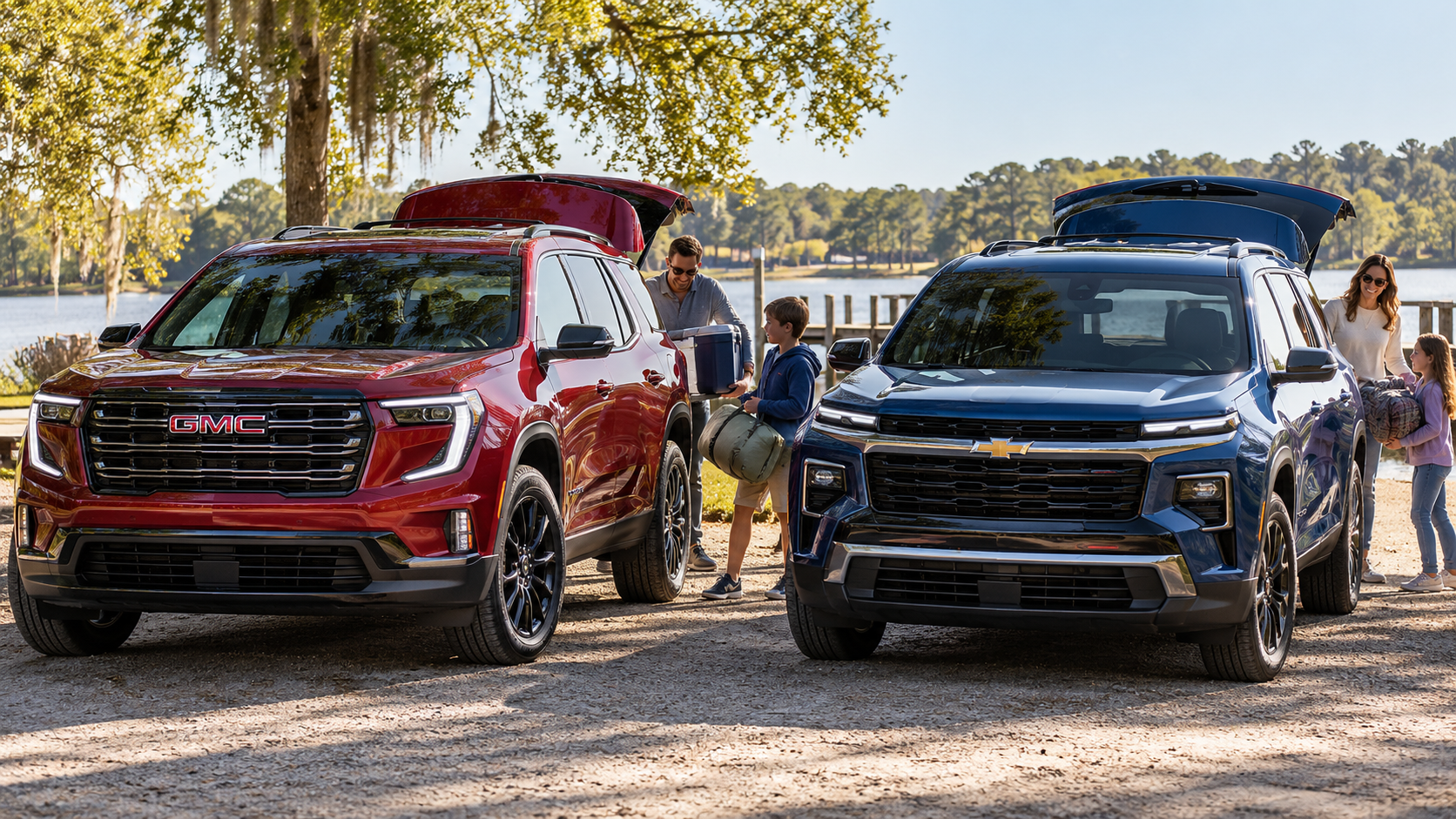
New GMC Acadia vs Chevrolet Traverse for Louisiana Families The new GMC Acadia gives Louisiana families a three row SUV with generous passenger room and flexible seating choices. Chevrolet answers with the Traverse, another spacious three row option from General Motors. Because both models share similar dimensions and power, shoppers may wonder where the differences start. The answer lies in seating layouts, cargo use, cabin technology, and trim direction. Therefore, comparing those areas can make the choice much clearer. GMC Acadia and Chevrolet Traverse Model Clarification Is there a Chevrolet Acadia? No, Acadia belongs to GMC, while Traverse carries the Chevrolet badge. The similar market position can cause confusion when families begin comparing three row SUVs. However, the two models make sense as direct cross shopping choices. The new GMC Acadia uses a 2.5 liter turbo engine with 328 horsepower and an eight speed automatic transmission. Chevrolet also gives the Traverse a 2.5 liter turbo engine rated at 328 horsepower. Therefore, engine output alone does not separate these two SUVs very much. Both models also offer seating for up to eight people in selected layouts. In addition, each model provides three rows and substantial cargo room. That shared foundation shifts attention toward cabin setup, trim selection, and how each household plans to use the space. Is the GMC Acadia the Same Size as the Chevrolet Traverse? The two SUVs are very close in overall size. The current Acadia measures roughly 204 inches long and uses a 120.9 inch wheelbase. The Traverse sits in nearly the same size range. Therefore, neither model creates a major size advantage simply through exterior length. That similarity matters when parking, loading passengers, or planning garage space. A family moving from a smaller crossover will notice the larger three row footprint in either model. However, the choice becomes more specific once seating position and cargo needs enter the discussion. The new GMC Acadia also offers generous second row and third row passenger space. GMC lists 41.5 inches of second row legroom and 32.1 inches in the third row. Those figures support adult friendly use across more than the first row. Still, families should sit in each row before choosing a trim or seating layout. Which SUV Works Better for Seven or Eight Passengers? Both models can carry up to eight people in selected configurations. The better layout depends on how frequently every seat will see regular use. However, the key decision starts with the second row. The new GMC Acadia Elevation can seat up to eight with a second row bench. GMC also offers seven passenger layouts with second row captain chairs. AT4, Denali, and Denali Ultimate models seat up to seven. Therefore, shoppers should compare how each layout fits their normal passenger routine. A second row bench provides another seating position and may suit households that regularly carry eight people. Second row captain chairs create a center aisle that can make third row access easier for frequent passengers. Families using child seats should test access to each row before selecting a seating configuration. The Chevrolet Traverse also offers seating for up to eight people. Several configurations use seven passenger layouts with second row captain chairs. In addition, selected layouts can provide the extra seat through a second row bench. Consequently, passenger count may matter more than a small difference in exterior measurements. A household carrying six people every day may evaluate these layouts differently from one that only uses the third row occasionally. Cargo Space With Every Row in Use How much cargo room remains when all three rows stay upright? The Acadia provides 23.0 cubic feet behind the third row. It also offers 57.3 cubic feet behind the second row and 97.5 cubic feet behind the first row. Chevrolet lists up to 98 cubic feet of maximum cargo volume for the Traverse. Those numbers place the two SUVs very close at maximum cargo capacity. However, maximum volume does not tell the whole story for a family carrying passengers every day. The space behind row three can matter more during school trips, grocery runs, or weekend travel. Moreover, a stroller, sports bags, coolers, or luggage may need to fit without folding the third row. Therefore, families should examine the cargo floor with the seats positioned as they normally use them. That check can reveal more than a small difference in published maximum volume. The new GMC Acadia also offers power folding features on certain trims. Those controls can make seat changes easier when cargo needs shift during the week. Still, the physical layout should match the household before convenience features become the deciding factor. Trim and Technology Differences The largest separation appears once the comparison moves past engine output and basic size. GMC structures the Acadia lineup around Elevation, AT4, Denali, and Denali Ultimate. Chevrolet offers Traverse trims such as LT, Z71, RS, and High Country. Those trim families give shoppers several areas to compare beyond horsepower and exterior dimensions. Each one places different emphasis on seating, cabin equipment, trail hardware, or technology. The new GMC Acadia includes a 15 inch diagonal infotainment display for navigation, media, and connected features. The Chevrolet Traverse uses a 17.7 inch center touchscreen, creating a visible difference in dashboard layout. Acadia AT4 adds trail focused equipment and standard all wheel drive for drivers who plan to leave paved roads. Denali and Denali Ultimate place more attention on cabin materials, seating features, and added technology. By contrast, Chevrolet uses Z71, RS, and High Country for distinct trail, style, and upper trim directions. Both models can also offer Super Cruise on selected configurations. In addition, the Acadia can tow up to 5,000 pounds when properly equipped. Families who plan to tow should confirm the required package before purchase. Therefore, trim and equipment details deserve the same attention as headline specifications. Choosing a Layout Around Your Household The new GMC Acadia and Chevrolet Traverse serve similar household needs, but they organize those needs differently. One family may need eight seats for frequent carpools. Another may prefer captain chairs and easier third row access. Still another may place more weight on screen layout, trail hardware, or cabin materials. Which details should guide the final choice? Start with the number of seats you use most weeks. Then check cargo space with those seats left in place. After that, compare the trims that include the features you plan to use. Because the core engine output and overall size remain close, small configuration details carry more weight here. Therefore, a side by side visit can answer questions that specifications cannot. Ross Downing GMC can guide families through Acadia seating, cargo room, and available trim features in person. You can also explore current new GMC inventory before your visit.

GMC Acadia Trim Levels Comparing AT4 and Denali Models

GMC Acadia Trim Levels Comparing AT4 and Denali Models

GMC Acadia trim levels give you two distinct paths when comparing AT4 and Denali. Both share the same core engine and three row layout. However, their equipment changes what you encounter from the driver seat. AT4 adds hardware for traction and rougher surfaces. Denali places greater focus on seating, displays, and cabin convenience. What AT4 and Denali Share Do Acadia AT4 and Denali use different engines? Both use the same 2.5L Turbo engine and eight speed automatic transmission. GMC rates that engine at 328 horsepower. Therefore, engine output does not separate these two trims. The larger differences appear in the chassis, traction hardware, cabin materials, and convenience equipment. Both trims also retain seating for seven. Their published cargo volume reaches 97.5 cubic feet behind the first row. As a result, choosing AT4 does not require surrendering the Acadia's core passenger or cargo layout. Each trim also includes the large central infotainment display found across the current Acadia lineup. Available Super Cruise further extends the technology choices for either configuration. That shared foundation matters during a GMC Acadia trim comparison. You can focus on the equipment that changes without treating them as entirely different SUVs. How Acadia AT4 Changes the Chassis AT4 separates itself through hardware beneath and around the vehicle. What does AT4 change beyond exterior styling? The answer starts with its AWD hardware, suspension tuning, tires, ride height, skid plates, and Terrain Mode. Active Torque Control AWD can send torque between the front and rear axles. It can also distribute torque between the rear wheels. Therefore, power can move toward the wheel positions with available traction. Terrain Mode adds another tool for slow travel across rough surfaces. The mode can manage low speed movement through accelerator input. That setup gives you another method for controlling the Acadia during careful off pavement travel. AT4 also changes several physical components that meet the road or protect the underside. All terrain tires: These tires carry tread suited to mixed surfaces beyond ordinary paved roads. Lifted ride height: Additional ground clearance creates more space between lower vehicle components and uneven surfaces. Skid plates and suspension tuning: These components support the AT4's focus on rougher routes and uneven terrain. These changes explain why AT4 feels different without receiving another engine. The distinction comes from how the chassis handles traction, clearance, and surface changes. For Louisiana travel, those traits can matter beyond dedicated trails. Gravel drives, camp access roads, wet grass, and uneven property entrances can place traction hardware into regular service. How Acadia Denali Changes the Cabin Denali takes a different approach within GMC Acadia trim levels. Its major changes concentrate inside the cabin instead of adding AT4 terrain hardware. What does Denali add inside the Acadia? GMC includes leather appointed first and second row seating, plus heated and ventilated front seats. It also includes an eight inch Head Up Display. The Head Up Display places selected information within the driver's forward sightline. Therefore, you can view key data without shifting your eyes toward the center display. Ventilated front seats address a separate cabin task. Air movement through the seating surfaces can make hot weather trips more comfortable. That can stand out during Louisiana summers and long stretches in direct sun. Denali also adds powered functions for the rear seating area. Power folding third row seats reduce the manual work involved when changing the cargo layout. One touch second row folding provides another quick route into a larger storage configuration. These items change different moments inside the cabin. Some support the driver, while others focus on seating or cargo conversion. For this reason, Denali is more than an appearance package. Its equipment changes how you interact with information, seats, and interior space. How the Two Trims Feel Different From the Driver Seat AT4 and Denali begin from the same Acadia powertrain, yet they communicate their differences through different parts of the vehicle. AT4 places more of its distinction beneath you. AWD torque distribution, suspension tuning, tire construction, and ride height shape how the chassis responds to changing surfaces. Denali places more of its distinction around you. Seating materials, ventilation, the Head Up Display, and powered rear seats change cabin interaction. That separation gives you a useful way to evaluate both trims. Ask where you want the extra equipment to work most. If rough access roads are common, AT4 hardware deserves closer attention. If most trips remain paved, Denali cabin equipment may receive more frequent interaction. Still, both trims retain the Acadia's three row structure and shared engine output. You are choosing where GMC places the trim specific equipment, not choosing between unrelated vehicle formats. A test drive can make that distinction easier to recognize. Spend time checking visibility, seating position, display placement, and steering response. Then, inspect the tires, ride height, and cargo access before comparing your notes. Matching AT4 or Denali to Your Driving Plans Choosing between these GMC Acadia trim levels becomes clearer when you connect equipment with your usual routes and passengers. Start with where the Acadia will travel, then consider which cabin items you will interact with most. The strongest reasons for choosing each trim come from different priorities. Choose AT4 for terrain focused hardware: Active Torque Control AWD, all terrain tires, extra clearance, skid plates, and Terrain Mode define its direction. Choose Denali for cabin focused equipment: Leather appointed seating, ventilation, the Head Up Display, and powered rear seating lead its direction. Compare both when your needs overlap: Shared seating, cargo room, engine output, and available technology keep either trim open for family travel. Neither choice requires abandoning the core Acadia layout. Instead, the decision centers on which equipment earns its place in your routine. Ross Downing GMC can show you current Acadia AT4 and Denali inventory in Hammond. Seeing both trims together gives you a direct way to inspect their hardware and cabin differences. Bring your normal driving plans into that comparison. Think about your roads, passengers, cargo, and time behind the wheel. Those details give the AT4 versus Denali decision a much clearer direction.

GMC ProGrade Trailering Guide for Sierra Accessories

GMC ProGrade Trailering Guide for Sierra Accessories

GMC ProGrade Trailering gives Sierra owners integrated tools for hitch setup, trailer information, and towing preparation. Yet those tools are only one part of a complete towing setup. Physical hardware, bed protection, wiring, and trailer braking equipment still need their own review. Therefore, a good setup starts by matching each part to the truck and trailer. How GMC ProGrade Trailering Fits the Full Setup GMC ProGrade Trailering brings several integrated trailering tools into the Sierra. Available equipment can include Hitch Guidance, Hitch View, and the In Vehicle Trailering App. Together, these tools support trailer setup, connection checks, and stored trailer information. However, integrated trailering technology does not replace the physical connection between truck and trailer. A receiver, ball mount, hitch ball, safety chains, and electrical connector still handle separate jobs. The trailer itself may also require compatible braking hardware. What does GMC ProGrade Trailering handle? It supports setup and monitoring through truck based technology. By contrast, the hitch and wiring create the mechanical and electrical connection to the trailer. That distinction keeps accessory shopping clearer. You can review factory trailering features first, then identify the hardware your trailer requires. Therefore, each purchase serves a defined part of the towing setup. Choosing a Sierra Bed Liner A Sierra bed liner protects the cargo box from scratches, impacts, moisture, and surface wear. The right material should match what you place in the bed and how you load it. Spray applied liners bond directly to the bed surface. They create textured coverage across the floor, walls, and other coated areas. Molded liners sit inside the bed as a separate shell. Bed mats cover the floor while leaving the bed walls uncovered. Before choosing a liner, consider how cargo moves inside the bed during loading and transport. Different liner styles manage grip, removal, cleaning, and impact protection in different ways. Spray applied liners: These create permanent textured coverage and suit frequent loading of tools, lumber, equipment, or loose cargo. Molded liners: These create a removable protective shell and suit owners who want replaceable bed coverage. Bed mats: These protect the bed floor and add grip while leaving the side walls open. Which bed liner makes sense for your Sierra? Start with the cargo that will contact the bed most. Then, consider whether permanent coverage or removable protection fits your routine better. Matching Hitch and Wiring Equipment to the Trailer The hitch connection starts with hardware that matches both the Sierra and the trailer. The receiver accepts the ball mount, while the hitch ball connects with the trailer coupler. Safety chains create a secondary connection between the truck and trailer. Electrical wiring handles another part of the setup. Trailer connectors carry signals for lights and compatible trailer brakes. Therefore, the connector must match the trailer wiring arrangement. What hardware connects a Sierra to the trailer? The answer starts with the receiver, ball mount, hitch ball, safety chains, and electrical connector. Each part serves a separate task during towing. Ball size and mount height also need attention. The hitch ball must fit the trailer coupler, while mount height supports a level trailer stance. A poor match can place the trailer at an improper angle before the trip begins. Therefore, hitch parts should be selected as one connection package. Choosing pieces separately can create mismatches between the truck, coupler, and trailer height. When a Trailer Brake Controller Matters A trailer brake controller sends braking input from the Sierra to compatible electric trailer brakes. The controller works through the trailer wiring connection and responds when the truck slows. This setup gives the trailer its own braking response instead of relying only on the truck. Therefore, the controller, wiring, and trailer brakes need to work together correctly. When does a trailer brake controller matter? It matters when the trailer uses compatible electric brakes and the towing setup calls for controlled trailer braking. The trailer design and local requirements should guide that review. The controller also needs proper adjustment. Too little braking input can leave the trailer doing less braking work than intended. Too much input can make trailer braking feel abrupt. For this reason, adjustment should reflect the loaded trailer and its braking response. A different trailer or load may require another check before towing. Building a Work or Recreation Setup A complete Sierra accessory plan should reflect what the truck carries and what it tows. A work truck may spend more time hauling tools, lumber, or job materials. A recreation focused Sierra may carry coolers, camping gear, boat equipment, or trailer supplies. Because those routines place different demands on the truck, accessory priorities can change. Bed protection may lead one setup, while covered storage or trailer equipment may lead another. Work setup: Consider durable bed protection, cargo control, hitch hardware, wiring, and trailer braking equipment for frequent hauling. Recreation setup: Consider bed protection, covered storage, trailer connections, wiring, and braking equipment matched to boats or campers. GMC ProGrade Trailering can support either setup through its integrated trailering tools. Still, the physical accessories should match the trailer and cargo you plan to use. Ross Downing GMC can review current Sierra equipment and available accessory choices for your truck. Bring your trailer details, cargo plans, and towing routine into that conversation. Therefore, you can compare accessories around the work your Sierra will handle after delivery.

GMC Trade In Value Guide for Trading Your Sierra Truck

GMC Trade In Value Guide for Trading Your Sierra Truck

GMC trade in value matters when you are preparing to move from your current truck into a new Sierra. A clear appraisal process starts with your specific truck, its history, and its present mechanical and cosmetic state. Therefore, knowing what the dealership reviews can make the visit easier to follow. You can also arrive prepared for payoff questions, paperwork review, and the final appraisal discussion. What Goes Into a GMC Sierra Appraisal A dealership appraisal reviews your Sierra as a complete truck, not as a mileage number alone. Staff start with basics such as model year, trim, engine, drivetrain, odometer reading, and installed equipment. Then, they inspect the exterior, cabin, tires, bed, glass, lights, and other visible areas. In addition, service history and reported damage may provide context for the truck's current state. Several inspection areas give the appraisal team specific information about the truck. Each area contributes a different piece of the valuation review. Exterior and bed: Staff inspect body panels, paint, glass, tailgate surfaces, and the bed for damage or visible repair needs. Tires and mechanical components: Tire wear, suspension components, brakes, and visible maintenance items may indicate upcoming reconditioning needs. Interior and equipment: Cabin condition, factory equipment, installed accessories, and working controls contribute to the complete vehicle review. GMC trade in value also reflects market information beyond the truck itself. Appraisers may review recent auction data, regional demand, similar inventory, and expected repair costs before setting an offer. Therefore, two Sierra trucks from the same model year can receive different figures. A higher trim, lower mileage, desirable equipment, and cleaner history can support a stronger appraisal result. What does the dealership inspect before assigning a value? The appraisal combines physical inspection, vehicle records, equipment, mileage, and current market data. Because each input tells a different part of the story, no single number controls the entire result. For this reason, an online estimate works best as a starting point, not a final offer. Does Towing or Truck Work Change the Appraisal Towing or hauling history does not set GMC trade in value by itself. Appraisers look for the physical evidence that past work may have left behind. That review can include the receiver area, bed floor, tailgate, tires, suspension components, and visible maintenance items. Furthermore, they may note aftermarket towing hardware or modifications that change resale demand. A Sierra used for trailers can still present well at appraisal time. Service records can show fluid changes, brake work, tire replacement, and other care completed during ownership. However, uneven tire wear, damaged bed surfaces, worn hitch hardware, or neglected maintenance may signal future repair expense. Those items can shape the final figure because the dealership may need to prepare the truck for resale. GMC trade in value can also reflect factory equipment that supports towing or work. Features such as an integrated trailer brake controller, factory hitch equipment, or trailering cameras can strengthen the truck's appeal. By contrast, some aftermarket changes may narrow the pool of future customers. The appraiser will consider whether installed equipment fits current local demand. Should you remove every accessory before the appraisal? No. Start by identifying which parts are factory installed, dealer installed, or aftermarket. Then, bring receipts or service records when they clarify the work completed. That documentation gives the appraiser more context without requiring you to reverse useful upgrades before the visit. Can You Trade a Sierra With an Active Loan You can trade a Sierra even when you still owe money on the loan. The dealership requests a payoff amount from your lender and compares that figure with the appraisal. Therefore, the trade offer and the loan payoff remain separate numbers until the equity is calculated. Positive equity means the GMC trade in value is higher than the lender payoff. That remaining amount can be applied within the next purchase transaction. Negative equity means the payoff is higher than the appraisal figure. In that case, the difference still has to be resolved as part of the transaction. For this reason, the loan balance shown in an online account may not match the payoff quote exactly. Interest can continue to accrue, and the lender may include specific payoff timing. Additionally, some lenders provide payoff instructions directly to the dealership. Having your lender name and account information ready can reduce delays during the review. What if you recently made a payment? Tell the dealership when the payment was submitted. The lender's current payoff figure controls the calculation, so recent account activity needs current verification. Consequently, the finance team may request an updated payoff before final paperwork is completed. Preparing for Your Sierra Trade Preparation gives you a clearer path from appraisal to the next truck. Start by gathering the records and items connected with ownership, financing, and maintenance. Having them together can keep verification work moving during the dealership visit. Bring the items available for your specific Sierra before the appraisal begins: Identification and ownership records: Bring identification, registration, and available title information for ownership verification. Lender information: Have your lender name and account details ready when a loan remains on the truck. Keys and service records: Bring available key sets, maintenance records, accessory receipts, and documentation for major completed work. If a lender holds the title, the dealership can explain what verification it needs from you. Moreover, bringing available records keeps important details together during the visit. GMC trade in value is easier to discuss when you understand the appraisal inputs before the offer appears. You should know the truck's trim, mileage, major factory equipment, recent service work, and any known damage. However, you do not need to make the truck look new before arriving. A basic cleaning can make inspection easier, but major last minute repairs may not return their full cost. The appraisal itself usually follows a straightforward sequence. Staff identify the truck, inspect its visible state, review key records, confirm market information, and prepare the offer. If a loan remains, the payoff review follows alongside the appraisal. As a result, the final discussion can cover both the truck's value and the amount still owed. Once those figures are clear, you can compare the trade with your plans for a new Sierra. A Ross Downing GMC team member can also explain how the appraisal connects with available Sierra inventory. Still, the strongest starting point is understanding your current truck before discussing the next one. Moving From Your Current Truck Into a New Sierra Trading your current Sierra should feel like a clear financial and mechanical review, not a guessing exercise. GMC trade in value starts with the truck you own, the care it received, and the market around it. Furthermore, towing history, mileage, equipment, payoff status, and visible wear each contribute separate information. If you are preparing for a new GMC Sierra in Hammond, bring the records that tell your truck's story. Know your lender information, gather both keys, and be ready to discuss service work or modifications. With that in mind, you can review the appraisal with a clearer sense of how each figure was reached. Ross Downing GMC can walk through the appraisal, payoff details, and available Sierra options during the same visit. The goal is simple: understand the truck you are trading before deciding what comes next.

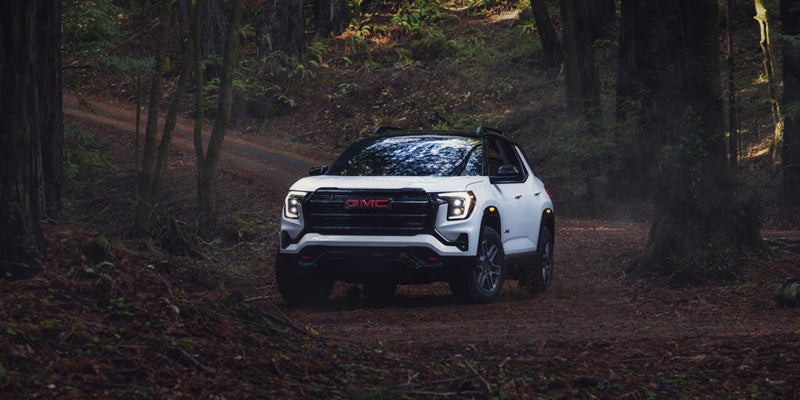
A white GMC SUV drives along a dirt road through a wooded area.

GMC SUV Lineup for Comfortable Louisiana Road Trips

The GMC SUV lineup gives Louisiana travelers four distinct choices for passengers, luggage, highway miles, and trailer needs. Terrain, Acadia, Yukon, and Yukon XL each place space in a different area. Therefore, the right match starts with the seats used during a normal trip. It also starts with the bags, coolers, strollers, or outdoor gear traveling behind them. How Trip Size Shapes the GMC SUV Choice Which GMC SUV fits a Louisiana road trip? The answer starts with passenger count, occupied seat cargo room, route length, and trailer needs. Maximum cargo figures can mislead when every rear seat must stay raised. Therefore, compare space behind the last occupied row before reviewing total cargo volume. A couple traveling to the Gulf may need room for two bags and a cooler. A family of six may need three rows plus space for luggage. In addition, a group towing a boat must account for people, cargo, hitch weight, and trailer equipment. Use these questions before comparing models: How many seats will remain occupied for most of the trip? Which bags and large items must stay behind the last occupied row? Will the route include a trailer, city parking, or a small garage? These answers place each SUV in a clearer role. Terrain favors a smaller travel group and easier parking. Acadia adds a third row without full size dimensions. Yukon provides a larger cabin and stronger trailer options. Yukon XL extends cargo room behind the third row. When Terrain Fits a Louisiana Road Trip Terrain seats five and uses two seating rows. Current GMC figures list 29.8 cubic feet behind the second row. With that row folded, maximum cargo volume reaches 63.5 cubic feet. Therefore, Terrain can suit couples, smaller households, and travelers with lighter packing plans. Its smaller exterior also makes city stops easier. Parking near restaurants, hotels, and crowded attractions may require less planning. In addition, a shorter body can make a home garage easier to use. Terrain works well when every traveler can sit within two rows. It also works when luggage fits behind the second row without blocking rear visibility. However, five occupied seats leave no spare row for extra bags. Before choosing Terrain, place normal luggage in the cargo area during a dealership visit. Check stroller length, cooler height, and suitcase width. Furthermore, sit in both rows for several minutes. A quick seating check may miss pressure points that appear later on the highway. When Acadia Provides the Middle Position Acadia adds three rows and seats up to eight. Current GMC figures list 23 cubic feet behind the third row. Folding the second and third rows opens up to 97.5 cubic feet. Therefore, Acadia creates more seating choices while keeping a midsize footprint. That 23 cubic foot figure deserves close attention. Eight seating positions do not guarantee room for eight large suitcases. Consequently, a full passenger load may require soft bags, careful packing, or an approved exterior carrier. Acadia makes sense when the third row serves children, occasional adult riders, or part of a larger group. It also suits households needing three rows during trips but fewer seats during normal errands. Furthermore, current Acadia trims can tow up to 5,000 pounds when properly equipped. A trailer plan still requires the exact rating, payload label, hitch weight, passengers, and cargo. The published maximum should never replace math for the chosen SUV. For long trips, test third row entry, charging access, climate flow, and seat position. These details shape comfort after several hours. They also reveal whether Acadia supplies enough room without moving into Yukon dimensions. When Yukon Supports Larger Groups and Trailers Yukon is a full size three row SUV with seating for up to eight. Current GMC figures list 25.5 cubic feet behind the third row. Space rises to 72.5 cubic feet behind the second row. With rear seats folded, maximum cargo volume reaches 122.8 cubic feet. The larger cabin gives adults more room across longer trips. Yukon also offers gasoline and diesel engine choices across the current range. Therefore, it deserves attention from households carrying people, gear, and a trailer. Still, towing requires more than selecting the largest SUV. Passengers, luggage, accessories, and trailer tongue weight share the payload limit. In addition, engine, drivetrain, axle, hitch equipment, and trim can change the published rating. Yukon may fit families who use all three rows but carry moderate luggage. It may also suit boat, camper, or utility trailer trips. However, its size asks for more parking space than Terrain or Acadia. Measure the home garage and frequent parking areas before choosing Yukon. Check overall length, mirror width, and liftgate clearance. These simple measurements can prevent daily frustration after the road trip ends. When Yukon XL Cargo Space Becomes Necessary Y ukon XL extends the body behind the passenger cabin. Current GMC figures list 41.5 cubic feet behind the third row. That is 16 cubic feet more than Yukon provides in the same area. Therefore, Yukon XL stands apart when every row stays raised. Maximum cargo volume reaches 144.5 cubic feet with the rear seats folded. Space behind the second row reaches 93.6 cubic feet. These figures support large luggage loads, sports gear, travel supplies, and bulky family items. The longer body also brings a larger fuel tank in current Elevation and AT4 specifications. Yukon XL lists about 28 gallons, while Yukon lists about 24 gallons. Yet tank size alone does not establish highway range. Engine, drivetrain, speed, load, and trailer use all change fuel stops. Yukon XL fits groups that need three occupied rows plus substantial luggage room. It also fits households that carry large gear without folding passenger seats. By contrast, the extra length requires more garage depth and parking planning. A test drive should include a tight parking lot and a familiar route. Additionally, test the rear camera views and liftgate space. The largest cargo area has limited value when the SUV cannot fit its normal parking area. Match the SUV With the Normal Trip The final choice should reflect the trip that happens most, not the rare trip that happens once. Terrain serves smaller groups with lighter cargo. Acadia adds three rows while retaining midsize dimensions. Yukon supports larger people, gear, and trailer plans. Yukon XL adds the most room behind an occupied third row. Before selecting a GMC SUV, confirm these details: Count the seats that will remain occupied during a normal trip. Load the usual bags, cooler, stroller, or sports gear during an in person review. Compare the exact fuel, payload, and trailer figures for the chosen configuration. Measure garage depth, parking space, and liftgate clearance at home. Test charging points, climate controls, cameras, and every seating row. Ross Downing GMC gives travelers near Hammond a place to compare each model in person. Bring the people and gear that shape the trip whenever possible. Therefore, the cabin test becomes more useful than a simple walkaround. Louisiana travel may include interstate miles, downtown parking, Gulf trips, or boat launches. Each route places different demands on space and maneuvering. The right GMC SUV should carry the normal group comfortably while keeping luggage, fuel stops, and parking manageable.

A red pickup truck with a man standing at its open tailgate on a rocky riverbank.

GMC Sierra Cab Configuration for Passenger and Bed Needs

A GMC Sierra cab configuration controls where the truck carries passengers, protected gear, and open bed cargo. GMC calls its one row layout the Regular Cab. Shoppers may still see the phrase single cab in search results or used listings. However, both phrases point toward the same basic one row truck layout. The Double Cab adds a second row and four doors. Therefore, the choice starts with one question. Will the truck carry more people, more enclosed gear, or more bed cargo? Single Cab Means Regular Cab in the Sierra Lineup What does single cab mean when shopping for a GMC Sierra? GMC uses Regular Cab for its one row truck layout. That name appears within factory configuration tools, model pages, and inventory filters. The Double Cab adds rear seating without moving into Crew Cab dimensions. As a result, it serves a different role than the Regular Cab. It also serves a different role than the larger Crew Cab. A Regular Cab may suit one driver, two passengers, or a work focused routine. The layout places cabin space ahead of the front seats only. Therefore, more truck length can support the bed. A Double Cab adds a smaller rear seating area. It also adds enclosed space for tools, groceries, clothing, or electronics. However, the second row does not match Crew Cab rear room. Search filters may use either Single Cab or Regular Cab wording. Therefore, review door count, interior photos, and seating details before ruling out a listing. Seating and Interior Storage Change the Choice A Regular Cab offers one seating row with room for up to three people. The layout keeps the cabin simple and direct. In addition, it gives the driver easy access to the front seating area. A Double Cab adds four doors and a second row. Current Sierra measurements list 35.24 inches of rear legroom. Therefore, adults should test the rear seat before planning frequent long trips. The second row can serve another purpose. It can hold tools, paperwork, groceries, coats, and electronic equipment. Because the space sits inside the cab, those items remain protected from rain and open bed weather. Child seat routines also deserve close review. Rear door size, seat angle, and front seat position can shape access. Therefore, families should bring the seat during a dealership visit. Passenger count alone does not settle the choice. Trip length, passenger height, and ride frequency matter more. A Double Cab may suit occasional riders well. However, frequent adult passengers may need Crew Cab space. Cab Choice Changes Bed Options Cab space and bed space share the truck structure. Therefore, every extra inch inside the cabin changes total length, wheelbase, bed pairing, or all three. The current Sierra Regular Cab offers standard and long bed forms. The standard bed measures 79.44 inches. The long bed measures 98.20 inches. The current Double Cab pairs with the 79.44 inch standard bed. Therefore, it keeps a useful cargo floor while adding rear seating. These pairings create clear choices: Choose Regular Cab with the long bed for maximum open cargo length. Choose Regular Cab with the standard bed for a shorter work focused layout. Choose Double Cab with the standard bed for rear seating and full standard bed length. Still, cab name alone does not reveal overall truck size. Wheelbase and total length must also enter the comparison. A larger cab can produce a longer truck, even with the same bed. Garage depth also matters. In addition, parking structures and tight job sites may limit turning space. Measure the normal parking area before choosing a cab and bed pairing. Work and Daily Travel Should Guide the Decision The best cab choice starts with the truck’s weekly routine. A solo contractor may place bed length above rear seating. By contrast, a small crew may need secure seating and enclosed storage. Regular Cab suits drivers who carry front passengers only. It also suits work that depends on long materials, toolboxes, or larger bed cargo. Therefore, the long bed pairing may hold strong appeal. Double Cab supports mixed use. It can carry rear passengers during short trips. In addition, it can hold equipment that should stay inside the cabin. Daily parking should also shape the choice. A truck used in downtown Hammond may face tighter spaces than one used on rural property. Therefore, compare wheelbase, overall length, and turning space. The same step applies to home parking. Measure the garage from the closed door to the front wall. Also account for shelving, steps, and stored equipment. Neither cab wins every comparison. The right layout matches passenger frequency, cargo type, parking space, and bed needs. Towing and Payload Follow the Full Configuration Does a Regular Cab always tow more than a Double Cab? No. The complete truck configuration establishes the published limit. Engine, drivetrain, axle ratio, bed, cab, wheels, and trailering equipment all enter the rating. Curb weight also changes how much payload remains. Payload includes passengers, cargo, accessories, and trailer tongue weight. Therefore, rear passengers and cabin gear use part of the available payload. A lighter cab may leave more room within one rating. However, that does not create one universal answer. Another configuration may include stronger cooling, a different axle, or required trailering equipment. Always check the payload label on the exact truck. In addition, match the vehicle to the official trailering table. Do not rely on a broad model claim alone. For towing, compare the loaded trailer weight and expected tongue weight. Then add passenger, cargo, hitch, and accessory weight. This process gives a clearer view of the truck’s limits. What to Check When Shopping Used Sierra Inventory Used listings may call the same layout Single Cab or Regular Cab. Therefore, confirm the configuration through photos, specifications, and the vehicle itself. Before visiting, review these details: Count the doors and confirm whether rear seating appears in the photos. Check the listed bed length and compare it with the visible cargo box. Review the wheelbase and overall length when those measurements appear. Confirm engine, drivetrain, axle, payload, and trailering equipment. Inspect the door label and official vehicle information in person. Also review how the rear area will serve the truck. A Double Cab may hold people, tools, or personal items. A Regular Cab may support more bed length and a simpler cabin. Used inventory can vary by model year, trim, and prior ownership. Therefore, a familiar cab name does not guarantee identical measurements or equipment. Ross Downing GMC shoppers can compare Regular Cab and Double Cab inventory near Hammond. Bring passenger, cargo, parking, and towing needs into that visit. The right Sierra cab should fit the truck’s normal week, not one rare task.

A red GMC pickup truck with black wheels parked on a dirt path in a forest.

2027 GMC Sierra 1500 Engine Lineup and New Technology

The 2027 GMC Sierra 1500 introduces four announced powertrains, including two new sixth generation V8 engines. GMC has also confirmed a redesigned cabin, expanded digital displays, and wider Super Cruise availability. However, final horsepower, torque, trailering, payload, pricing, and fuel economy figures have not been released. Therefore, early research should focus on confirmed hardware and pending details. What GMC Has Confirmed for the 2027 Sierra 1500 What has GMC confirmed about the 2027 GMC Sierra 1500 engine lineup? The announced range includes TurboMax, Duramax, 5.7L V8, and 6.6L V8 choices. Each engine will pair with a 10 speed automatic transmission. Additionally, the two V8 engines are new sixth generation Small Block designs. GMC says the TurboMax and 3.0L Duramax diesel will remain in the range. As a result, this four engine structure gives readers several routes for work, travel, towing, and trail use. GMC has confirmed these core powertrain details: An enhanced TurboMax engine will remain available. The 3.0L Duramax Turbo Diesel will continue as the diesel choice. New 5.7L and 6.6L Small Block V8 engines will join the range. Every announced engine will use a 10 speed automatic transmission. Still, GMC has not published the complete engine and trim chart. Final output figures also remain pending. The redesigned truck is expected to reach dealerships in late 2026. Therefore, Ross Downing GMC shoppers can begin comparing engine roles now. Exact ordering decisions should wait for final specifications. How the New V8 Engines Change the Lineup In addition, the new 5.7L and 6.6L engines replace the prior V8 structure with larger displacement choices. GMC also identifies new combustion, cooling, control, and fuel injection technology. Those updates shape how fuel burns, heat moves, and power reaches the transmission. Combustion design controls how air and fuel burn inside each cylinder. A cleaner, more controlled burn can support smoother power delivery. Additionally, revised fuel injection can meter fuel with greater precision across changing engine loads. Cooling design manages heat during long pulls, slow trail travel, and extended highway operation. Therefore, cooling changes matter when a truck works for long periods. Moreover, engine controls coordinate throttle input, fuel delivery, spark timing, and transmission response. Is the new 6.6L V8 the same engine found in Sierra HD trucks? GMC has not described it that way. The company identifies it as a new sixth generation Small Block for Sierra 1500. Therefore, shared displacement alone cannot confirm shared architecture or calibration. GMC also says the 6.6L V8 will be standard on Denali Ultimate. However, the complete availability chart has not been released. Readers should avoid assuming every trim will offer both V8 choices. Where TurboMax and Duramax Fit Still, the four engine range is not a simple ladder from small to large. Instead, each choice serves a different type of truck use. The final decision should reflect load frequency, travel distance, fuel preference, and desired trim. TurboMax may appeal to readers who want strong low speed response without selecting a V8. It may also support a lower entry point within the lineup. However, final 2027 output and trailering figures remain pending. The 3.0L Duramax Turbo Diesel remains the long distance option within the announced range. Diesel torque delivery can suit steady highway travel and frequent trailer use. In addition, diesel fuel economy may matter to owners covering many miles. Final 2027 ratings will provide the needed comparison. The 5.7L V8 creates a middle V8 choice. It may suit readers who prefer traditional V8 sound and power delivery. By contrast, the 6.6L V8 becomes the largest announced gasoline engine for Sierra 1500. No engine should be selected from displacement alone. Therefore, readers should compare final torque curves, payload ratings, axle choices, and trim availability. Purchase price and fuel cost should also enter the decision. How Engine Choice Connects With Towing Does the largest engine automatically produce the highest Sierra towing capacity? No. The engine contributes power, yet the complete truck configuration sets the final trailering limit. Cab style, bed length, drivetrain, axle ratio, curb weight, cooling equipment, and trailering packages all change the rating. Furthermore, payload matters because passengers, cargo, and hitch weight share the same limit. Therefore, a truck can reach its payload ceiling before reaching its trailer ceiling. A proper towing comparison should review: The exact trailering rating for the chosen configuration. The payload label attached to the specific truck. The expected tongue weight from the loaded trailer. Passenger, cargo, accessory, and hitch weight. Required cooling, axle, brake, and trailering equipment. Louisiana truck owners may tow boats, utility trailers, campers, or work equipment. Each load places different demands on the truck. Additionally, heat and long highway distances can increase thermal strain. Final GMC guides will show which configurations receive the necessary hardware. Until those guides arrive, readers should avoid using current model ratings for the 2027 truck. The new engines may change the numbers. However, GMC has not confirmed those final values. Trims and New Cabin Technology Additionally, engine selection will connect closely with trim selection. GMC has confirmed Pro, Elevation, AT4, AT4X, Denali, and Denali Ultimate. However, only selected engine pairings are public. Denali Ultimate will receive the 6.6L V8 as standard. Super Cruise will be standard on AT4, AT4X, Denali, and Denali Ultimate. In addition, GMC says the technology will be available on Elevation. Super Cruise supports hands free driving on compatible roads while the operator remains attentive. It can also support compatible trailer travel. However, road coverage, plan terms, hardware, and operating rules still apply. The redesigned cabin can offer more than 60 inches of combined digital displays. Available screens include a 12.2 inch driver display and a 16.3 inch center display. GMC also lists an 11.5 inch passenger screen, 15 inch head up display, and 8.5 inch camera mirror. More screen space does not guarantee easier control. Therefore, shoppers should test menu placement, camera access, climate controls, and display visibility. The passenger screen may separate media tasks from driver information. The head up display can place key data closer to the road view. An available MultiPro Center Console adds concealed storage and an extended work surface. Bose head restraint speakers and a panoramic sunroof are also announced. These items may shape trim selection as much as engine choice. What to Verify Before Ordering The 2027 GMC Sierra 1500 gives truck shoppers more confirmed choices than the current V8 range. However, the most important ordering details are still pending. A careful comparison should wait for GMC to publish complete specifications. Before choosing a configuration, verify final horsepower, torque, payload, trailering, and fuel economy figures. Additionally, review the engine chart for each trim. Cab, bed, axle, drivetrain, and package availability should also receive close attention. Readers should also confirm these details on the exact truck: The payload label inside the door opening. The trailering guide rating for that configuration. The engine and axle pairing shown on the order sheet. The included camera, hitch, and trailering equipment. Super Cruise availability and required service terms. Ross Downing GMC can explain new information as GMC releases final order details. Therefore, shoppers near Hammond, Baton Rouge, Covington, and New Orleans can compare confirmed configurations with their towing plans. The right Sierra should match the load, route, passenger needs, and preferred cabin equipment. For now, the strongest approach is patient research. The 5.7L and 6.6L V8 engines bring major change under the hood. At the same time, TurboMax and Duramax preserve two familiar powertrain paths. Final ratings will reveal how each configuration handles work, towing, and long distance travel.

Contact Us

Fill out this form below and we'll contact you shortly
*Required Fields