Blog / Hammond GMC Dealer

Blog

All Hammond GMC Dealer Hammond GMC Service

2026 GMC Yukon XL Feature Breakdown: Space, Towing, and Trim Differences Explained

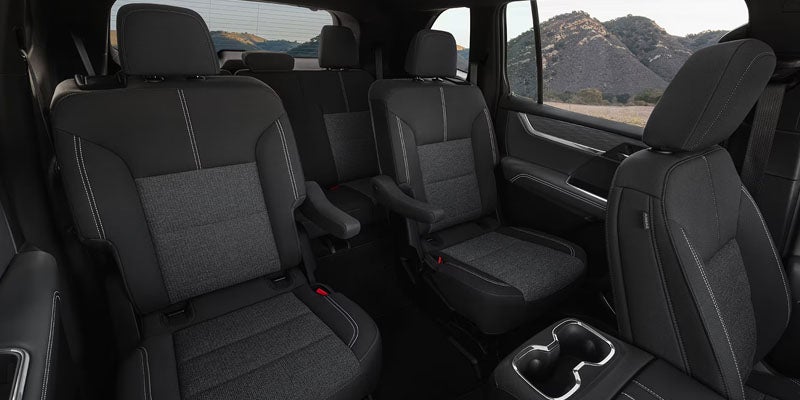
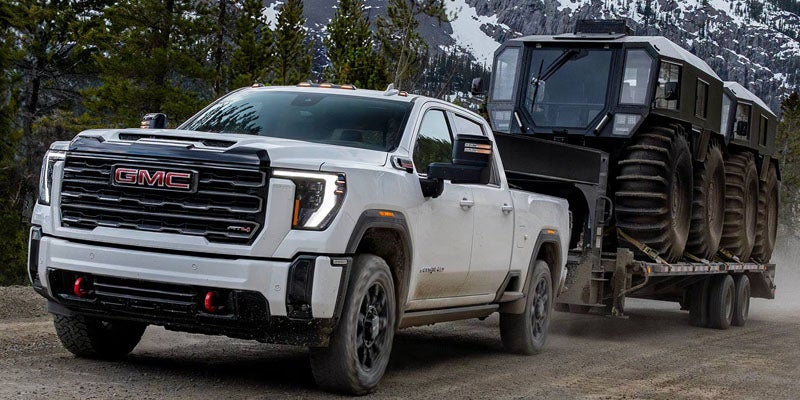
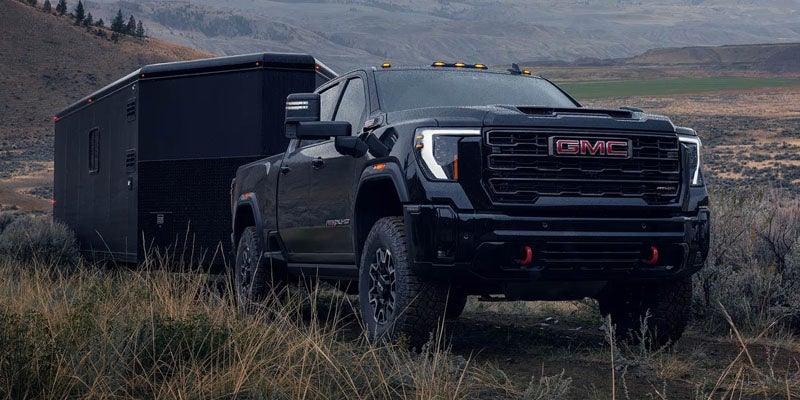
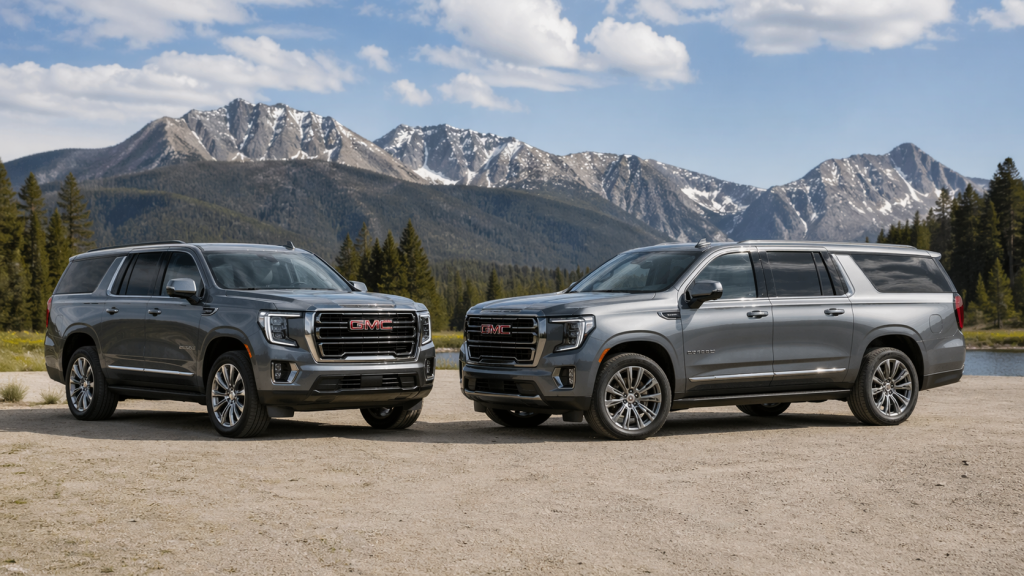
The 2026 GMC Yukon XL is designed for drivers who need more than just a full size SUV. Many shoppers comparing the Yukon and Yukon XL are trying to understand what the added length actually changes in everyday driving, passenger comfort, and towing capability. The Yukon XL builds on the standard Yukon platform by extending the wheelbase and cargo area, which directly impacts how the vehicle performs when carrying people, hauling gear, or pulling a trailer. Understanding how those differences translate into real world use helps determine whether the Yukon XL is the right fit. Yukon vs Yukon XL Size Differences and What They Change Many shoppers researching full size SUVs ask what the difference between the Yukon and Yukon XL actually is. The primary difference is wheelbase length, which extends the overall body of the 2026 GMC Yukon XL and changes how the SUV distributes space and weight. The 2026 GMC Yukon XL wheelbase is longer than the standard Yukon, which increases rear cargo volume and third row legroom. This added length also affects how the vehicle rides on the road. A longer wheelbase allows the suspension to absorb road imperfections more gradually, which can create a smoother experience during highway driving. more However, the added size does influence maneuverability. The 2026 GMC Yukon XL requires a slightly wider turning radius compared to the standard Yukon. For drivers navigating tight parking lots or urban streets, this is an important consideration. In contrast, for long distance driving or highway travel, the extended wheelbase improves stability and reduces pitch movement over uneven surfaces. For buyers deciding between the two, the difference is not just size. It is how that size changes comfort, ride quality, and usability. How the 2026 GMC Yukon XL Uses Its Extra Space Many families searching for a full size SUV focus on cargo space, but understanding how that space is used matters more than the total cubic feet measurement. The 2026 GMC Yukon XL cargo area is designed to maintain usable storage even when all three rows are occupied. Unlike shorter SUVs where the third row significantly reduces cargo room, the Yukon XL’s extended body allows for meaningful storage behind the third row. This makes a difference for real world scenarios such as road trips, sports equipment transport, or airport travel with multiple passengers. The 2026 GMC Yukon XL interior also improves passenger comfort through its seating layout. The additional length allows for better spacing between rows, which directly impacts legroom and seat positioning. Third Row Space and Real Family Use Many three row SUVs include a third row, but not all of them are designed for consistent use. In the 2026 GMC Yukon XL, the third row is part of the core interior design rather than an afterthought. Because of the extended wheelbase and seat positioning, the third row provides usable space for both kids and adults. Passengers are able to sit with a more natural posture, with improved knee clearance and a seat height that better supports longer trips. This changes how families can use the vehicle day to day: Adults can comfortably rotate into the third row during carpools or group travel Children and teens have more space to sit without feeling confined Long distance trips do not require limiting seating to the first two rows The second row also plays a role in this. With sliding and adjustable positioning, families can shift space between rows depending on passenger needs, allowing the third row to remain functional even with a full cabin. For households that regularly use all three rows, this is one of the most important advantages of the Yukon XL’s design. Key real world benefits of the Yukon XL interior layout include: Third row seating that can accommodate adults more comfortably on longer trips Space for luggage or gear without folding down seats More flexible cargo configurations for mixed passenger and storage needs For families or drivers who regularly travel with passengers and cargo at the same time, the Yukon XL provides a more practical balance between seating and storage. Towing Capability and Stability in the Yukon XL Many shoppers ask what the towing capacity of the 2026 GMC Yukon XL is, but towing performance is not just about the maximum weight rating. It also depends on how the vehicle manages that load while in motion. The 2026 GMC Yukon XL towing capacity is supported by its engine options and chassis design, but one of the most important advantages comes from its longer wheelbase. A longer vehicle creates a more stable platform when towing, which helps reduce trailer sway and improves control at highway speeds. The Yukon XL’s towing performance is influenced by several key factors: Wheelbase length, which improves trailer tracking and stability Suspension tuning, which helps manage weight distribution Available trailering technologies that assist with hitching and monitoring For drivers towing boats, campers, or utility trailers, the Yukon XL provides not only the strength to pull heavier loads but also the stability to manage them more confidently. This is especially important for long distance towing, where consistent control matters as much as raw capability. GMC Yukon XL Trim Levels Explained Through Real World Use Shoppers comparing trims often focus on features, but the 2026 GMC Yukon XL trim lineup is better understood by how each version is designed to be used. The Yukon XL offers trims that align with different driving priorities, from off road capability to long distance comfort. The 2026 GMC Yukon XL AT4 is designed for drivers who need capability beyond paved roads. Its off road oriented features and traction systems make it better suited for uneven terrain, towing in rugged environments, or outdoor travel. The 2026 GMC Yukon XL Denali focuses on refinement and everyday usability. It balances advanced technology, comfort features, and strong performance for drivers who want a premium driving experience without sacrificing capability. The 2026 GMC Yukon XL Denali Ultimate builds on that foundation with additional interior detail, advanced technology integration, and enhanced driver experience features, making it well suited for long distance travel and high comfort expectations. Instead of choosing based on feature lists alone, buyers should evaluate how each trim supports their driving habits. The differences are not just about materials or technology, but how the vehicle performs in specific environments. Who Should Choose the Yukon XL Over the Standard Yukon Many buyers ask if the Yukon XL is worth the added size. The answer depends on how the vehicle will be used on a daily basis. The 2026 GMC Yukon XL is a better fit for drivers who regularly need maximum interior space and towing stability. This includes larger families, frequent travelers, and drivers who tow heavier loads or carry equipment. The Yukon XL is typically the better choice if you: Frequently use all three rows and still need cargo space Travel long distances with passengers and luggage Tow trailers where stability is a priority Prefer a smoother ride on highways and open roads For drivers who prioritize easier maneuverability in tighter environments or do not need the additional cargo space, the standard Yukon may be more practical. However, for those who consistently push the limits of space and capability, the Yukon XL provides clear functional advantages. Final Perspective on the 2026 GMC Yukon XL The 2026 GMC Yukon XL is not simply a larger version of the Yukon. Its extended wheelbase changes how the SUV performs, how it carries passengers, and how it handles towing. These differences make it a more capable option for drivers who need space and stability without compromising everyday usability. Understanding how size, engineering, and trim design work together allows shoppers to make a more informed decision. For those who need a full size SUV that supports both passenger comfort and real world capability, the Yukon XL delivers a balanced solution built for practical use.

GMC Battery & Electrical Service Guide: Warning Signs and When to Replace Your Battery

Modern GMC vehicles rely on stable electrical voltage to operate far more than just the starter motor. From digital displays and fuel management systems to advanced driver assistance technology, your battery supports nearly every system the moment you press the start button. Understanding how the battery works, how long it should last, and how to identify early warning signs helps prevent unexpected breakdowns. Voltage Stability and Modern GMC Electrical Systems Older vehicles relied heavily on mechanical systems. Today’s GMC models use networked electronic control modules that communicate constantly. These modules require consistent voltage to function correctly. Your battery supports: more Engine control module ignition sequencing Fuel injection timing Infotainment system startup Power steering assistance Advanced safety sensors and camera systems If voltage drops below stable thresholds, systems may behave unpredictably before the vehicle even fails to start. Electrical glitches, warning lights, or inconsistent screen behavior can all trace back to battery degradation. Typical GMC Battery Lifespan and What Affects It Most factory installed batteries last between three and five years. Several variables influence that range: Climate conditions Driving frequency Electrical accessory load Charging system health In colder climates, battery chemistry slows. Cold temperatures reduce available cold cranking amps, which measure the battery’s ability to start an engine in low temperatures. A battery that functions adequately in mild weather may struggle once temperatures drop. Short trip driving can also shorten battery life. If the engine runs for only a few minutes at a time, the alternator may not fully recharge the battery after each start cycle. Recognizing Early Battery Failure Symptoms Battery failure rarely occurs without warning. Common indicators include: Slower than normal engine cranking Clicking sound when turning the key or pressing start Dim headlights at idle Flickering interior lights Dashboard battery warning light Random electrical malfunctions A slow crank is often the first mechanical sign. This occurs because the battery cannot deliver sufficient amperage to the starter motor. Electrical irregularities may appear before a complete no start condition. Modern systems are sensitive to voltage fluctuations, so minor battery weakness can trigger warning messages even when the vehicle still starts. Battery vs Alternator: Understanding the Difference Many drivers confuse battery and alternator failure because symptoms overlap. The battery’s role: Stores electrical energy Provides high amperage for engine starting Stabilizes system voltage The alternator’s role: Generates electricity once the engine is running Recharges the battery Powers electrical systems during operation If a vehicle starts but dies while driving, the alternator may not be charging. If the vehicle struggles to start but runs normally once running, the battery is often the issue. A professional diagnostic test measures both static voltage and load response. A battery can show proper voltage at rest but fail under load. Load testing simulates starting conditions to determine whether the battery can sustain required amperage. Why Winter Accelerates Battery Failure Cold temperatures increase engine oil viscosity, requiring more energy to crank the engine. At the same time, chemical reactions inside the battery slow down, reducing available power output. This combination makes winter the most common season for battery replacement. Vehicles with remote start systems or heavy accessory use also draw more standby power. Over time, parasitic drain can weaken older batteries more quickly. Corrosion and Terminal Maintenance Battery terminals should be inspected for corrosion buildup. Corrosion appears as white or bluish residue around terminal posts and cable connections. Corrosion can: Increase electrical resistance Reduce charging efficiency Create intermittent starting issues Cleaning terminals and ensuring tight cable connections helps maintain charging performance. When to Replace Instead of Test If your battery is approaching four years of age and early symptoms appear, replacement is often more practical than repeated testing. Waiting until complete failure risks being stranded. Replacement timing should consider: Age of the battery Climate exposure Starting consistency Voltage test results A healthy battery typically reads around 12.6 volts at rest. Significantly lower resting voltage can indicate degradation. Electrical Diagnostics Beyond the Battery If battery testing confirms proper operation but issues persist, technicians evaluate: Alternator output voltage Parasitic drain levels Starter motor current draw Wiring harness integrity Modern GMC vehicles include onboard diagnostic systems that can log voltage related faults. Identifying the correct source prevents unnecessary part replacement. Planning for Battery Service Battery replacement is preventative maintenance. Addressing weakness before total failure protects: Electronic control modules Sensitive infotainment systems Charging system components Routine inspections during oil changes can identify corrosion, mounting looseness, or voltage irregularities early. For GMC owners in the Hammond area, the service team at Ross Downing GMC can perform comprehensive battery and charging system diagnostics to ensure your vehicle’s electrical systems remain stable and reliable year round.

GMC Financing Guide for 2026: Rates, Incentives, and Loan Options Explained

Financing a new GMC in 2026 is not just about the monthly payment. Buyers are evaluating interest rates, promotional APR offers, manufacturer incentives, credit requirements, and whether leasing or financing makes more long term sense. Understanding how these systems work helps you structure a deal that aligns with your financial goals rather than reacting to a headline rate. This guide explains how GMC financing works, what to realistically expect in 2026, and how to evaluate incentives and loan structures. How GM Financial Structures Auto Loans Most new GMC vehicles are financed through GM Financial, the manufacturer’s captive finance arm. A captive lender allows GMC to offer promotional APR rates and incentive combinations that may not be available through outside banks. Loan approval is typically based on: more Credit score tier placement Debt to income ratio Loan to value ratio Employment and income verification Rates are tier based. Buyers with stronger credit profiles qualify for lower APR offers, while buyers with moderate credit may see higher interest rates reflecting lender risk. Typical new vehicle loan terms include: 48 months 60 months 72 months Occasionally 84 months depending on vehicle and credit profile The longer the term, the lower the monthly payment, but the higher the total interest paid over the life of the loan. Understanding Promotional APR and 0 Percent Financing One of the most common questions is whether 0 percent financing is available. Promotional APR offers are manufacturer supported incentives designed to move specific models. Key mechanics behind 0 percent APR: Only available to top tier credit profiles Often limited to specific models or trims May require shorter loan terms such as 36 or 48 months Sometimes cannot be combined with certain cash rebates For example, a buyer may have to choose between: 0 percent APR for 36 months Or a cash rebate with standard interest financing The better option depends on purchase price, loan amount, and credit tier. In many cases, buyers with strong credit benefit more from promotional APR than cash incentives, but calculations should be done both ways. Credit Score Expectations for GMC Financing While exact thresholds vary, general expectations include: 720 and above typically qualifies for best tier rates 660 to 719 may qualify for mid tier financing Below 660 may require higher APR or larger down payment Credit score alone is not the only factor. Lenders also evaluate payment history, outstanding debt, and loan history. Buyers with less than ideal credit can still secure financing, but rates will reflect increased lending risk. In these cases, shortening loan term or increasing down payment can reduce total interest exposure. Incentives and Rebates in 2026 Manufacturer incentives typically fall into several categories: Customer cash rebates Loyalty incentives for current GMC owners Military or first responder discounts Conquest offers for switching brands Regional incentives tied to inventory supply Incentives vary by region and by model. Trucks and high demand SUVs may have different incentive structures compared to slower moving inventory. Rebates directly reduce the purchase price, which lowers the financed amount and reduces total interest paid over the loan. It is important to understand that dealer discounts and manufacturer incentives are separate. Manufacturer rebates are funded by GMC. Dealer discounts are negotiated at the dealership level. Lease Versus Finance: Ownership Strategy Buyers comparing lease versus finance should evaluate long term ownership goals. Financing means: You build equity in the vehicle There are no mileage penalties You retain full ownership at the end of the loan Monthly payments are generally higher than lease Leasing means: Lower monthly payments Mileage restrictions No long term ownership unless you buy out the lease Potential lower upfront cost Leasing often works well for drivers who prefer newer vehicles every few years and maintain predictable mileage. Financing works better for drivers planning long term ownership or high annual mileage use. Loan Term Impact on Total Cost Extending a loan from 60 months to 72 months lowers monthly payment but increases total interest. Example structure comparison: 60 month loan at moderate APR results in higher payment but lower total interest 72 month loan lowers payment but extends exposure to interest and potential negative equity Negative equity occurs when the vehicle depreciates faster than the loan balance decreases. Longer loan terms increase that risk. Buyers should evaluate both monthly affordability and total cost of ownership rather than focusing solely on payment amount. Trade In Equity and Down Payment Strategy Down payments and trade equity reduce loan to value ratio. Benefits include: Lower monthly payment Lower total interest paid Greater approval likelihood Reduced negative equity risk Applying positive trade equity toward the purchase lowers the financed amount immediately. In competitive rate environments, this can significantly reduce lifetime interest cost. Refinancing Considerations Some buyers choose to refinance later if rates drop or credit improves. Refinancing may: Lower APR Shorten loan term Reduce total interest However, refinancing makes the most sense when credit score improves or market interest rates decline. What Rates Should Buyers Expect in 2026 Auto loan rates fluctuate based on broader economic conditions. Promotional manufacturer rates may be lower than traditional bank financing, especially for well qualified buyers. Instead of focusing on national averages, buyers should focus on: Their personal credit tier Current manufacturer promotional offers Available rebate combinations Total cost over the full loan term Understanding these mechanics ensures the financing structure supports long term ownership goals rather than short term payment comfort. For buyers evaluating new GMC models in the Hammond area, the finance team at Ross Downing GMC can walk through credit tier positioning, current incentives, and loan structures to help align financing strategy with your vehicle choice.

Used GMC Yukon Buyer’s Guide: Best Years, Trims, and Features 2018–2025

The GMC Yukon is one of the most consistently cross shopped full size SUVs on the used market. Buyers typically want clarity on three things: which years offer the strongest reliability, what changed in the 2021 redesign, and which trim level makes sense for towing, family hauling, or long term ownership. This guide breaks down the 2018 through 2025 model years by generation, mechanical architecture, and real world use case so you can evaluate the Yukon as a system, not just a badge. Generation Comparison: 2018–2020 vs 2021–2025 The most important dividing line in the used Yukon market is the 2021 redesign. 2018–2020 Yukon: Traditional Full Size Architecture These models ride on GM’s prior body on frame platform with: more Solid rear axle suspension Hydraulic power steering Proven 5.3L or 6.2L V8 engines Six speed automatic early in the generation, transitioning to ten speed The solid rear axle design favors durability and heavy load consistency. For buyers towing regularly or carrying cargo at maximum capacity, this traditional setup offers predictable behavior and strong long term reliability. Tradeoffs include: Higher rear floor height Slightly firmer ride over broken pavement Less third row legroom compared to newer models These years are often considered safe long term ownership choices due to the simplicity and maturity of the platform. 2021–2025 Yukon: Independent Rear Suspension and Platform Redesign The 2021 redesign introduced: Independent rear suspension Longer wheelbase Available 3.0L Duramax turbo diesel Fully redesigned interior Magnetic Ride Control and available Air Ride Adaptive Suspension The shift to independent rear suspension is the most significant mechanical change. Instead of a single solid axle connecting both rear wheels, each rear wheel moves independently. This improves: Ride comfort over uneven pavement Third row legroom Cargo floor height Handling composure at highway speeds For families prioritizing daily comfort and interior usability, the 2021 and newer models represent a major upgrade. Engine Options and Powertrain Differences Across 2018–2025, the Yukon typically offers three engine choices. 5.3L V8 Approximately 355 horsepower 383 lb ft of torque Direct injection V8 architecture This engine balances towing capability with manageable fuel consumption. It is widely considered durable when maintained properly. 6.2L V8 Approximately 420 horsepower 460 lb ft of torque Standard in Denali trims The 6.2L offers stronger acceleration and higher torque output for heavier towing. It is best suited for buyers frequently pulling boats or travel trailers. 3.0L Duramax Turbo Diesel (2021 and newer) Approximately 277 horsepower 460 lb ft of torque Inline six turbo diesel configuration The diesel option delivers strong low RPM torque and improved highway fuel efficiency. For drivers covering long distances or towing moderate loads, the diesel provides a different ownership experience focused on torque efficiency and range. All modern Yukons are paired with a ten speed automatic transmission. The ten speed allows tighter gear spacing, keeping the engine within its optimal torque range. This improves both towing smoothness and highway efficiency. Trim Strategy and Real World Fit Used Yukons typically appear in SLE, SLT, AT4, and Denali trims. SLE and SLT These trims focus on core capability: Strong safety suite Available four wheel drive Cloth or leather seating depending on configuration Best suited for buyers who prioritize functionality and value over premium interior finishes. AT4 Introduced with the redesign, AT4 is engineered for off pavement confidence. Key features include: Active Response 4WD system Skid plates All terrain tires Off road tuned suspension The Active Response system can actively manage torque distribution between axles. For gravel roads, boat ramps, or seasonal weather conditions, AT4 provides improved traction without aftermarket modifications. Denali Denali emphasizes refinement and technology. Common features include: 6.2L V8 standard Magnetic Ride Control Premium interior materials Advanced driver assistance systems Magnetic Ride Control uses magnetorheological fluid in the shock absorbers. Sensors read road conditions in milliseconds and adjust suspension firmness in real time. This system improves both ride comfort and body control under acceleration and braking. Towing Capacity by Configuration Depending on engine and drivetrain configuration, used Yukons can tow up to approximately 8,400 pounds. Towing performance depends on: Rear axle ratio Two wheel drive vs four wheel drive Engine selection Cooling package Buyers planning to tow should verify the specific configuration rather than relying solely on maximum advertised figures. Yukon vs Yukon XL The Yukon XL extends wheelbase and cargo length. Differences include: Increased cargo space behind the third row Greater maximum cargo volume Slightly larger turning radius For families who frequently travel with luggage or sports equipment, the XL provides added space without moving into heavy duty truck territory. Reliability and Longevity Expectations Common ownership questions center on longevity. With proper maintenance, Yukons regularly exceed: 200,000 miles in service life Long term durability in both V8 and diesel configurations Maintenance considerations include: Oil change intervals Transmission fluid service Suspension component wear Brake system upkeep The pre 2021 models are often viewed as mechanically simpler. The post 2021 models offer improved ride comfort and technology but include more complex systems such as air suspension and advanced electronics. Neither generation is inherently unreliable, but complexity should align with ownership expectations and maintenance discipline. Choosing the Right Used Yukon For buyers prioritizing mechanical simplicity and traditional durability, 2018–2020 models offer proven architecture and lower system complexity. For buyers prioritizing interior space, ride comfort, and updated technology, 2021–2025 models provide substantial improvements. When comparing trims and years, evaluate: Intended towing weight Third row frequency of use Desired suspension type Engine preference Long term maintenance tolerance The used GMC Yukon remains one of the strongest full size SUV options for buyers who need real towing capability, three row space, and long term durability. If you are evaluating used Yukon inventory in the Hammond area, Ross Downing GMC can help you compare available configurations and determine which generation and trim align best with your driving demands.

2026 GMC Acadia Redesign Guide: New Features, Trim Levels, and Tech Updates

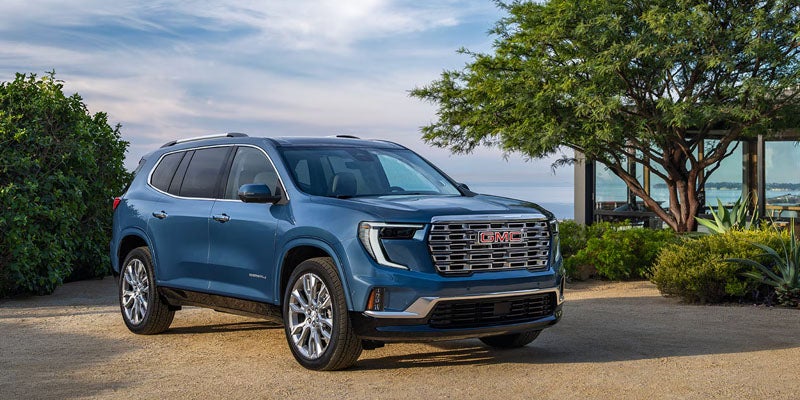
The 2026 GMC Acadia continues the full platform redesign that repositioned it as a true midsize three row SUV. This is not a light refresh. The architecture, powertrain strategy, interior packaging, and trim separation were all reworked to serve families who need consistent third row usability, stronger towing confidence, and modern driver assistance technology. This breakdown focuses on how the systems function in real world use and what matters when choosing between trims. A Larger Platform Built for Real Third Row Use The current Acadia rides on GM’s updated midsize SUV architecture shared with the Chevrolet Traverse. Compared to the prior generation, the wheelbase is longer and the body footprint is larger. That structural change delivers measurable gains: more Increased third row legroom Greater cargo space behind the third row Improved maximum cargo volume with seats folded Wider track for enhanced lateral stability A longer wheelbase improves highway tracking by spreading vehicle weight across a larger footprint. On uneven pavement, pitch motion is reduced because suspension events occur farther apart. For passengers in the third row, this translates into smoother ride quality and more usable leg positioning. Families cross shopping Ford Explorer, Toyota Grand Highlander, and Kia Telluride will notice the Acadia now competes directly in interior volume rather than functioning as a smaller alternative. Turbocharged Power Designed for Loaded Driving The 2026 Acadia replaces the previous naturally aspirated V6 with a 2.5 liter turbocharged inline four cylinder paired to an eight speed automatic transmission. Power output is approximately: 328 horsepower 326 lb ft of torque The key difference is torque curve behavior. Turbocharged engines build peak torque earlier in the rev range compared to naturally aspirated engines. That changes how the SUV feels under load. In practical use, this benefits: Highway merging with passengers onboard Low speed acceleration from stop lights Hill climbing while carrying cargo Towing response without excessive downshifting The eight speed automatic transmission helps maintain engine operation within the optimal torque band. Gear spacing is closer than older six speed transmissions, reducing abrupt RPM jumps and improving smoothness. For drivers accustomed to V6 delivery, the turbo four will feel more immediate at lower RPM and more controlled during steady highway cruising. Trailering Confidence for Recreational Use When properly equipped, the 2026 GMC Acadia can tow up to approximately 5,000 pounds. That capacity is supported by the engine’s high torque output and reinforced cooling systems. Trailering support systems include: Trailer sway control integrated into stability management Hitch guidance camera views Available multi camera visibility configurations Available all wheel drive for traction distribution The available all wheel drive system is electronically controlled. It can distribute torque between front and rear axles depending on traction needs. In slippery conditions or while pulling a load, torque transfer improves stability and reduces front wheel slip. For owners towing small campers, boats, or utility trailers, the Acadia’s torque curve and stability systems are engineered to reduce steering correction and driver fatigue. Trim Strategy Aligned With Lifestyle Priorities The Acadia lineup separates clearly into Elevation, AT4, and Denali. Each trim supports a different ownership profile. Elevation Elevation focuses on core three row capability and technology without moving into premium interior materials. Best suited for: Families prioritizing space and safety technology Buyers seeking strong standard features Daily commuting with occasional cargo hauling AT4 AT4 is engineered for drivers who regularly encounter gravel roads, uneven terrain, or seasonal weather conditions. Mechanical enhancements include: Off road tuned suspension Increased ground clearance All terrain tires Active Torque Control all wheel drive The Active Torque Control system uses a twin clutch rear drive unit capable of sending torque side to side across the rear axle. This allows more precise traction management than basic open differential AWD systems. For boat ramps, muddy access roads, or light trail driving, this torque vectoring improves forward motion without excessive wheel spin. Denali Denali emphasizes interior refinement and advanced driver assistance technology. Highlights include: Premium interior materials Enhanced digital displays Available Super Cruise hands free driving Super Cruise operates on pre mapped highways using LiDAR based mapping data, forward radar, adaptive cruise control, and a driver monitoring camera. The system allows hands free operation on compatible roads while ensuring driver attention through eye tracking. For high mileage commuters, this system can reduce fatigue while maintaining lane position and speed control. Technology That Supports Daily Operation The Acadia features a 15 inch vertically oriented infotainment screen integrated with Google built in services. The vertical layout improves map readability and allows multiple information panels to remain visible. Technology integration includes: Wireless Apple CarPlay and Android Auto Over the air software updates Digital driver information display Standard GMC Pro Safety features include: Forward collision alert Automatic emergency braking Lane keep assist with lane departure warning Blind zone steering assist These systems rely on radar sensors and forward facing cameras. They provide alerts and corrective inputs designed to assist rather than override driver control. Long Term Ownership and Reliability Considerations The shift from V6 to turbocharged four cylinder raises questions for some buyers. Modern turbocharged engines are engineered with reinforced internal components and advanced cooling systems to manage higher cylinder pressures. Long term reliability depends on: Adhering to oil change intervals Maintaining cooling system health Using correct fuel grade as recommended Avoiding prolonged heavy load operation without cooldown The eight speed transmission has been refined across multiple GM platforms, contributing to smoother long term performance compared to earlier six speed units. Competitive Positioning in the Midsize Segment Against primary competitors, the Acadia stands out in several areas: Higher torque output in standard configuration Distinct off road capability in AT4 trim Availability of Super Cruise driver assistance When evaluating midsize SUVs, buyers should compare: Third row comfort in person Torque delivery under load AWD system sophistication Infotainment interface usability The 2026 GMC Acadia is no longer positioned as a smaller three row option. It is a full midsize SUV engineered to handle family transport, recreational towing, and evolving driver assistance technology with confidence. For drivers evaluating the 2026 GMC Acadia in the Hammond area, Ross Downing GMC can help you compare trim configurations and determine which system package best aligns with your daily driving demands.

Used GMC Sierra Buyer’s Guide: Best Model Years, Trims, and Key Features (2019–2025)

Buying a used GMC Sierra is about more than finding the right price. It is about understanding how different model years, trims, and powertrain options behave in real-world use. From towing and hauling to daily driving and long-term durability, the Sierra lineup between 2019 and 2025 offers meaningful differences that can directly affect ownership satisfaction. This guide breaks down what matters most so used-truck shoppers can evaluate with confidence. GMC Sierra Platform Overview The GMC Sierra is built as a full-size, body-on-frame pickup designed for sustained work, towing, and long-term use. Unlike midsize trucks, Sierra’s structure, braking system, cooling capacity, and driveline components are engineered to handle higher loads consistently rather than occasionally. Across 2019–2025 model years, Sierra buyers benefit from: more Full-size truck frame designed for towing stability Powertrain options focused on torque delivery Rear-wheel drive standard with available four-wheel drive Suspension systems built to balance ride quality and payload Interior layouts designed for long drive comfort and durability Understanding how these systems interact helps buyers match the right configuration to their needs. Best Model Years to Consider (2019–2025) While all modern Sierra trucks are capable, certain years stand out for refinement and feature availability. 2019–2021 models introduced the modern Sierra generation with updated technology and powertrain options. These years offer strong value but may have fewer standard driver assistance features depending on trim. 2022–2023 models refined infotainment systems, safety technology, and interior quality. These years often strike a balance between modern features and used pricing. 2024–2025 models are typically the most refined, with updated cabin layouts, improved technology integration, and broader availability of advanced driver assistance systems. Shoppers prioritizing the latest interior and technology experience often gravitate toward newer model years, while value-focused buyers may find earlier years deliver excellent capability for the cost. Engine Options and Real-World Performance Engine choice is one of the most important decisions when buying a used GMC Sierra. Rather than focusing on peak horsepower numbers, buyers should pay attention to torque delivery and how the truck behaves under load. Common considerations include: Engines tuned for strong low-end torque provide smoother towing and hauling Turbocharged options deliver responsive acceleration without excessive fuel consumption Larger displacement engines may offer confidence under heavy loads but come with higher operating costs For buyers towing regularly, engine torque and transmission calibration matter more than headline performance figures. Towing and Capability Expectations Used Sierra trucks are commonly purchased for towing, and the platform is well-suited for it when properly equipped. Key towing considerations include: Drivetrain configuration and axle ratio Cooling system capacity for sustained towing Suspension tuning and brake performance under load Integrated trailer technology availability by model year and trim Buyers should confirm how the truck was originally equipped rather than assuming all Sierra models tow the same. Understanding Sierra Trims in the Used Market Trim selection affects both comfort and capability. Elevation trims often provide a strong balance of technology, appearance, and value in the used market. SLT trims emphasize interior comfort and convenience features. AT4 trims are designed for off-road capability with upgraded suspension and traction equipment. Denali trims prioritize ride quality, interior refinement, and long-distance comfort. Choosing a trim aligned with actual usage avoids paying for equipment that does not add value to daily ownership. Mileage and Long-Term Durability A common buyer concern is how long a GMC Sierra can last. With proper maintenance, Sierra trucks are designed to reach high mileage due to their frame construction and powertrain durability. Factors that influence longevity include: Maintenance history and service intervals Previous towing or hauling usage Driving environment and road conditions Quality of prior ownership care A well-maintained Sierra with higher mileage can often be a better long-term investment than a neglected lower-mileage example. What to Evaluate Before Buying Used truck buyers should focus on: Service records and maintenance consistency Signs of heavy towing or abuse Suspension and brake condition Drivetrain operation under load Tire wear patterns that may indicate alignment or suspension issues Evaluating these areas provides insight into how the truck was used and how it is likely to perform going forward. Ownership Perspective The GMC Sierra remains a strong choice in the used full-size truck market because it balances real capability with everyday usability. Buyers who understand model-year differences, trim positioning, and powertrain behavior are better equipped to choose a truck that meets their needs without unnecessary compromise. A thoughtful evaluation leads to confidence, durability, and long-term satisfaction.

2026 GMC Yukon Trim & Feature Guide: SLE, SLT, AT4, and Denali Explained

The 2026 GMC Yukon lineup is designed to cover a wide range of full-size SUV needs, from family transportation and towing to off-road capability and premium long-distance comfort. While the Yukon name stays consistent, each trim level serves a very different purpose. Understanding how the trims differ mechanically, functionally, and in everyday use is what helps buyers choose the right configuration rather than simply moving up the ladder. The GMC Yukon Platform Overview Every 2026 GMC Yukon is built on a full-size SUV platform engineered for strength, interior space, and long-term durability. Body-on-frame construction allows the Yukon to handle towing, passenger loads, and rougher road conditions more confidently than unibody SUVs. Across trims, buyers benefit from: more Full-size SUV dimensions with three usable rows Rear wheel drive standard on most trims with available four wheel drive Large cargo volume behind the second and third rows Powertrain options designed for torque and sustained load handling Braking and cooling systems engineered for towing and heavy use From this shared foundation, each trim level adds focus in specific areas. GMC Yukon SLE: Core Capability and Value The SLE trim is the starting point of the Yukon lineup, but it is far from basic. SLE is designed for families and drivers who need full-size space, towing capability, and everyday usability without unnecessary complexity. SLE prioritizes function and accessibility: Standard safety and driver assistance systems Practical interior materials designed for durability Comfortable seating for daily use and longer drives Technology features that support navigation, connectivity, and driver awareness Rear wheel drive standard with four wheel drive availability depending on configuration For buyers who want the size and strength of a Yukon without paying for premium finishes or off-road hardware, SLE often represents the most cost-efficient entry into full-size SUV ownership. GMC Yukon SLT: Added Comfort and Convenience SLT builds on the SLE foundation by focusing more heavily on interior comfort, convenience features, and refinement. This trim is often chosen by families who spend significant time in their vehicle and value comfort on longer drives. SLT upgrades typically include: Enhanced interior materials and finishes Additional seating and comfort features Expanded technology and driver assistance availability More upscale cabin environment without moving into luxury territory SLT maintains the Yukon’s towing and hauling capability while improving the ownership experience for drivers and passengers who prioritize comfort and everyday livability. GMC Yukon AT4: Capability for Mixed Terrain Use The AT4 trim is designed for drivers who regularly encounter uneven terrain, gravel roads, mud, snow, or recreational environments. Unlike appearance-focused packages, AT4 includes mechanical upgrades that directly affect performance in low-traction conditions. AT4 characteristics include: Standard four wheel drive Off-road tuned suspension and increased ground clearance Skid plates to protect underbody components All-terrain tires designed for loose surfaces Drivetrain calibration that prioritizes traction and control AT4 trades some ride softness for durability and stability in challenging environments. For buyers who tow boats, travel rural roads, or spend time off pavement, AT4 provides capability that reduces reliance on aftermarket modifications. GMC Yukon Denali: Premium Comfort and Long-Distance Refinement Denali sits at the top of the Yukon lineup and focuses on refinement, quietness, and technology. While Denali maintains full Yukon capability, its emphasis shifts toward ride quality and interior experience. Denali ownership highlights include: Premium interior materials and craftsmanship Advanced technology and driver assistance features Suspension tuning focused on smoothness and stability Enhanced sound insulation for highway driving Confident towing capability paired with refined road manners Denali is often chosen by buyers who want a full-size SUV that can handle towing and family duties while also delivering a calm, composed experience during long road trips. Choosing the Right Yukon Trim for Your Needs Selecting the right 2026 GMC Yukon trim depends on how the vehicle will be used most often. SLE suits buyers focused on space, safety, and value SLT fits families seeking added comfort and convenience AT4 is ideal for mixed terrain and outdoor use Denali serves drivers prioritizing refinement and long-distance comfort Understanding these distinctions helps avoid paying for features that do not match real-world driving needs. Ownership Perspective The strength of the 2026 GMC Yukon lineup lies in its ability to serve very different drivers using the same platform. Whether the priority is family transportation, towing, off-road access, or premium comfort, Yukon trims are engineered with specific use cases in mind rather than surface-level differences. Choosing based on how systems work and how the vehicle will actually be used leads to better satisfaction over time.

2026 GMC Canyon AT4 vs Elevation: Key Differences Louisiana Buyers Should Know

Choosing between the 2026 GMC Canyon AT4 and Elevation is less about which trim is “better” and more about which one is engineered for how you actually drive. While both trims are built on the same Canyon midsize truck platform, they are tuned for very different real-world priorities. One emphasizes comfort, accessibility, and everyday usability. The other is designed around traction management, ground clearance, and durability in unpredictable terrain. Understanding those differences at a system level helps buyers avoid overbuying capability or ending up with a truck that feels compromised for their needs. Shared Mechanical Foundation of the 2026 GMC Canyon Both the AT4 and Elevation share the same core architecture. The 2026 GMC Canyon is built as a true midsize truck, not a downsized full-size, which means its chassis, braking system, and drivetrain are engineered to balance maneuverability with usable strength. Power comes from a turbocharged four-cylinder engine designed to produce strong low-end torque rather than high-rev horsepower. This torque-forward delivery matters in daily driving, especially when accelerating from a stop, merging onto highways, hauling cargo, or navigating uneven ground. The automatic transmission is calibrated to keep the engine in its most effective torque range rather than chasing peak RPMs. This shared foundation gives both trims: more Confident acceleration for a midsize truck Predictable towing behavior within Canyon’s rated limits Modern driver assistance and infotainment technology A footprint that works well in urban, suburban, and rural environments From this common base, the AT4 and Elevation diverge sharply in suspension tuning, ride height, and drivetrain configuration. GMC Canyon Elevation: Built for Everyday Driving Balance The Elevation trim is designed for buyers who want a truck that integrates smoothly into daily life. Suspension tuning is focused on pavement comfort, body control, and reduced road harshness. This results in a ride that feels more composed over broken pavement, expansion joints, and longer highway drives. Elevation typically sits lower than AT4, which improves ease of entry and exit and slightly lowers the center of gravity. That translates to more predictable handling during routine driving and less bounce over uneven surfaces. Key real-world traits of the Elevation trim include: Suspension calibrated for comfort and stability on paved roads Available four-wheel drive depending on configuration, but not terrain-focused tuning More relaxed steering feel for commuting and parking Interior and technology features aimed at comfort and usability Strong efficiency expectations for a midsize truck driven primarily on-road For Louisiana buyers who spend most of their time on highways, surface streets, and maintained rural roads, Elevation often represents the most balanced ownership experience. GMC Canyon AT4: Off-Road Capability by Design The AT4 trim is engineered for environments where traction, clearance, and suspension articulation matter. This is not an appearance-focused package. AT4 includes hardware and calibration changes that directly affect how the truck behaves when pavement ends. AT4 features a higher ride height, which improves approach and departure angles and reduces the risk of underbody contact. Suspension components are tuned to keep the tires planted over uneven surfaces rather than smoothing out small road imperfections. Skid plates protect critical components when driving through rough or unpredictable terrain. AT4 ownership benefits include: Off-road tuned suspension with increased ground clearance Standard four-wheel drive with traction management designed for low-grip conditions Underbody protection for durability in rugged environments All-terrain tires optimized for dirt, mud, and loose surfaces Drivetrain calibration that prioritizes control at low speeds On paved roads, AT4 will feel firmer than Elevation. That firmness is intentional and supports stability and durability off-road, but it is a noticeable tradeoff for drivers who rarely leave pavement. Ride Comfort Versus Terrain Control A common question is whether the AT4 rides “rough.” In practical terms, the difference comes down to priorities rather than quality. Elevation absorbs small road imperfections more smoothly AT4 prioritizes suspension travel and wheel control over softness AT4 can feel more planted off-road but less cushioned on city streets Elevation reduces fatigue during long highway drives Neither trim is poorly engineered. They are simply tuned for different use cases. Choosing the Right Trim for Louisiana Conditions Louisiana driving environments range from urban highways to rural backroads, soft ground, and job sites. Trim choice should reflect where the truck spends most of its time. Elevation is typically better suited for: Daily commuting City and highway driving Light hauling and weekend use Drivers prioritizing comfort and value AT4 makes more sense for: Rural property access Muddy or uneven terrain Outdoor recreation and trail use Drivers who want factory-engineered off-road capability Selecting AT4 without needing off-road performance can result in unnecessary compromises. Choosing Elevation when off-road traction is required can limit where the truck can safely and confidently operate. Final Ownership Perspective The 2026 GMC Canyon AT4 and Elevation are built with different drivers in mind, even though they share the same nameplate. Elevation delivers everyday comfort and balanced usability. AT4 delivers mechanical confidence when conditions deteriorate. Buyers who align trim choice with real driving conditions tend to be more satisfied long term, avoid unnecessary tradeoffs, and get the most value out of their midsize truck investment.

Cold Weather Battery Tips for GMC Owners Winter Prep and Common Electrical Issues

Cold weather exposes weaknesses in vehicle batteries and electrical systems that often remain hidden during warmer months. GMC vehicles are engineered with advanced electronics, comfort systems, and driver assistance technology that depend on stable electrical performance. Understanding how winter temperatures affect these systems helps prevent unexpected no start situations and protects long-term reliability. Why Cold Temperatures Reduce Battery Performance Vehicle batteries generate power through chemical reactions. As temperatures drop, these reactions slow, reducing the amount of energy available for starting the engine. Cold weather effects include: Reduced battery output capacity Increased engine resistance during startup Higher electrical demand before ignition This combination creates the most stressful operating condition a battery experiences all year. Modern GMC Electrical Load Explained Before the engine even starts, GMC vehicles activate multiple systems. Electrical demand during startup includes: Control modules initializing Infotainment and digital displays powering on Climate systems preparing defrost functions Safety systems running system checks This immediate load means a marginal battery may fail even if it appeared functional in warm conditions. Common Winter No Start Symptoms Cold weather battery failure often provides warning signs. Symptoms drivers may notice include: Slower or labored engine cranking Dimming lights during startup attempts Intermittent starting success Warning messages related to low voltage Addressing these signs early reduces the likelihood of complete battery failure during extreme cold. Battery Age and Winter Reliability Most vehicle batteries last between three and five years depending on use and climate. As batteries age, internal resistance increases, making them more susceptible to cold temperature failure. Factors that accelerate wear include: Frequent short trips Extended vehicle inactivity High electrical accessory usage A battery nearing the end of its service life may fail suddenly once cold weather arrives. Electrical System Health Beyond the Battery Battery performance depends on the entire electrical system. Critical components include: Charging system output ensuring the battery recharges fully Clean and secure battery terminals preventing voltage loss Ground connections maintaining consistent electrical flow Starter motor efficiency under load A strong battery cannot compensate for faults elsewhere in the system. Winter Driving Habits That Increase Battery Strain Certain winter habits place additional stress on electrical systems. These include: Multiple short trips without sufficient recharge time Prolonged use of heated seats and defrost systems Vehicle sitting unused for extended periods Adjusting usage patterns or scheduling system checks helps offset these effects. Proactive Winter Preparation Steps Preventive maintenance is the most effective way to avoid cold weather electrical issues. Recommended winter preparation includes: Battery testing before sustained cold weather Electrical system inspection to verify charging performance Cleaning battery terminals and securing connections Confirming proper operation of defrost and heating systems These steps support reliable cold weather operation and reduce emergency repair risk. Impact on Electrified GMC Vehicles Electric and electrified GMC models experience different winter behaviors. Cold temperatures can: Reduce temporary driving range Increase energy usage for cabin heating Slow charging until battery temperature stabilizes Understanding these characteristics helps owners plan winter driving more effectively. Long Term Benefits of Seasonal Electrical Maintenance Winter electrical checks support more than immediate reliability. Benefits include: Reduced starter and alternator strain Improved longevity of electronic components Consistent performance of safety and comfort systems For GMC owners, maintaining electrical health preserves the dependable performance the brand is known for. Final Owner Perspective Cold weather challenges vehicle batteries and electrical systems in ways no other season does. By understanding how low temperatures affect battery chemistry, electrical load, and startup demands, GMC owners can prepare proactively. Seasonal inspection and timely maintenance reduce winter downtime and help ensure confident, reliable driving throughout colder months.

2025 GMC Yukon Guide Interior Space Features and Trim Differences Explained

The 2025 GMC Yukon is engineered for drivers who need full-size SUV capability without sacrificing interior comfort or everyday usability. It serves families, professionals, and active owners who require space, power, and refinement in a single vehicle. Understanding how the Yukon’s interior layout, features, and trim levels are designed helps shoppers select a configuration that fits real world needs rather than assumptions about size alone. Full Size Platform and Interior Architecture The Yukon is built on a body on frame platform designed to support passenger load, cargo weight, and long-term durability. This architecture allows for a taller seating position, greater interior volume, and stronger towing capability compared to unibody SUVs. Platform advantages include: Structural strength under passenger and cargo load Higher ride height improving visibility Interior proportions designed for adult comfort in all rows This foundation is what separates the Yukon from midsize SUVs that prioritize efficiency over maximum space. Seating Capacity and Passenger Comfort Yukon interior design focuses on usable space across all three rows. Passenger comfort highlights include: Wide seating surfaces supporting long drives Second row legroom accommodating adults comfortably Third row designed for regular use rather than occasional seating Large door openings improving entry and exit For families who frequently travel with passengers, this layout reduces compromise compared to smaller SUVs. Cargo Space and Everyday Flexibility Cargo capacity is one of the Yukon’s defining strengths. Key usability considerations include: Ample cargo room behind the third row for luggage or gear Flat load floor when rear seats are folded Strong roof and hitch ratings supporting external cargo solutions This flexibility allows the Yukon to shift easily between people transport and cargo hauling without reconfiguration challenges. Technology Systems and Driver Interface Technology in the 2025 Yukon is focused on supporting driver awareness and passenger convenience. Core technology areas include: Central infotainment system with clear menu structure Digital driver information display presenting vehicle and navigation data Available surround vision systems improving parking and trailer maneuvering Connectivity features supporting multiple devices simultaneously Rather than overwhelming the cabin, technology is integrated to support daily driving confidence. Safety and Driver Assistance Features Yukon safety systems are designed to manage the vehicle’s size proactively. Key safety features shoppers evaluate include: Forward collision alert with braking support Lane assistance improving highway stability Blind zone monitoring accounting for vehicle length Camera systems aiding low-speed maneuvering These systems reduce fatigue and help drivers manage the Yukon’s full-size footprint. Trim Level Differentiation Explained Yukon trims are structured to scale capability and comfort logically. Lower trims focus on: Core full-size space and strength Essential safety and infotainment systems Durable interior materials Mid-level trims add: Enhanced interior finishes Additional technology and convenience features Improved ride comfort and noise control Upper trims prioritize: Premium materials and design details Advanced driver assistance systems Greater refinement for long-distance travel Understanding trim escalation helps buyers choose features that align with actual use rather than perceived status. Yukon Versus Midsize SUV Considerations Many buyers compare the Yukon to midsize SUVs before deciding. Yukon advantages include: Greater third row comfort Higher cargo capacity under load Increased towing capability Midsize SUVs offer lower operating costs but require compromises in space and capacity. The Yukon is designed for buyers who value room and strength over minimal footprint. Ownership and Long Term Expectations Full-size SUV ownership carries different expectations. Considerations include: Fuel use tied to vehicle mass Tire and brake wear proportional to size Maintenance intervals designed for durability For owners who regularly use passenger and cargo capacity, these factors are justified by capability. Final Buyer Perspective The 2025 GMC Yukon delivers full-size SUV capability with thoughtful interior design, advanced technology, and structured trim options. Buyers who understand how space, features, and trims align with real world use are best positioned to choose a Yukon that supports both daily driving and long-term ownership confidence.

Best Used GMC Sierra Years and Trims What Louisiana Truck Buyers Should Know

A used GMC Sierra offers full-size truck capability with proven engineering and long-term durability when buyers choose the right model year and trim. Understanding how Sierra generations evolved, which powertrains hold up best, and how trims differ helps buyers avoid overpaying while securing a truck that meets real work and lifestyle needs. GMC Sierra Generational Overview Used Sierra reliability is closely tied to generation design rather than appearance changes. Recent Sierra generations emphasize: Strong ladder frame construction Proven V8 and V6 engine options Updated transmission tuning for towing efficiency Improved ride control compared to older trucks Mid-generation refreshes typically introduce technology improvements rather than mechanical redesigns, which benefits used buyers seeking stability. Powertrain Reliability Considerations Engine selection is one of the most important factors when buying a used Sierra. Gasoline engines are favored for: Lower maintenance complexity Predictable service costs Strong long-term durability under moderate load V8 engines provide: Consistent torque delivery Better towing stability Longer service life when properly maintained Diesel engines deliver exceptional towing performance but require careful evaluation of service history due to higher maintenance sensitivity. Transmission and Drivetrain Evaluation Modern Sierra transmissions are designed for smooth power delivery and load management. Key inspection points include: Shift consistency under acceleration Smooth engagement when towing or hauling Absence of hesitation or harsh downshifts Four-wheel drive systems should be evaluated for engagement smoothness and differential noise, especially in trucks used off-road or for work. Trim Levels and Real-World Value Sierra trims are structured to serve different buyer needs. Work-focused trims emphasize: Durability and payload balance Simplified interior systems Cost efficiency Mid-level trims offer: Improved infotainment and safety features Enhanced interior comfort Balanced daily usability Higher trims add: Advanced trailering technology Premium interior materials Noise reduction enhancements Used buyers often find the best value in mid-level trims that balance features and cost. Towing and Payload History Matters Used truck condition depends heavily on prior use. Buyers should evaluate: Signs of heavy towing such as hitch wear Suspension sag or uneven tire wear Brake condition indicating load stress A truck designed for towing can handle the work, but consistent overloading accelerates wear. Technology and Electronics in Used Models Technology reliability improves with newer model years. Buyers should confirm: Infotainment responsiveness Camera system clarity Driver assistance system functionality Software updates often improve performance, making later models preferable for tech-focused buyers. Ownership Costs and Maintenance Expectations Used Sierra ownership costs depend on configuration. Factors affecting cost include: Engine type Drivetrain complexity Tire and brake size Service frequency Gasoline-powered models typically offer the most predictable long-term costs. Louisiana Driving Considerations Louisiana driving conditions often involve: Highway towing Heat-related component stress Occasional flooding exposure Inspecting cooling systems and underbody condition is particularly important for regional buyers. Final Buyer Perspective A used GMC Sierra can deliver years of reliable service when buyers focus on proven powertrains, appropriate trims, and verified maintenance history. By understanding how Sierra generations and configurations differ, Louisiana truck buyers can confidently select a used truck that balances capability, durability, and value.

GMC Oil Change Guide How Often to Change Oil and Key Benefits for GMC Owners

Engine oil is the primary protective system inside every GMC vehicle. It lubricates moving components, regulates temperature, and prevents internal wear under load. Understanding how often to change oil is not just a maintenance checkbox. It is a critical factor in preserving engine performance, fuel efficiency, and long-term reliability. How Engine Oil Protects Your GMC Modern GMC engines operate under higher pressures and tighter tolerances than older designs. Oil must perform several functions simultaneously. Core responsibilities include: Lubricating internal components to reduce friction Carrying heat away from critical engine parts Suspending contaminants until they are filtered Preventing corrosion within the engine block When oil degrades, each of these functions becomes less effective, increasing internal stress. Oil Life Monitor Versus Mileage Most GMC vehicles are equipped with an oil life monitoring system. This system does not simply count miles. It evaluates engine operating conditions in real time. Factors considered include: Engine temperature fluctuations Driving frequency and trip length Idle time and load conditions Cold start cycles A vehicle driven on short trips in cold conditions may require service sooner than one driven primarily on highways, even at the same mileage. Synthetic Oil and Service Intervals Many GMC engines use synthetic or synthetic-blend oil. Synthetic oil resists breakdown better than conventional oil, but it is not immune to contamination. Synthetic oil advantages: Improved performance in extreme temperatures Greater resistance to thermal breakdown Better flow during cold starts However, extended intervals still depend on driving habits. Frequent towing, idling, or stop-and-go driving accelerates oil degradation regardless of oil type. Why Winter Driving Changes Oil Demands Cold weather introduces additional strain on engine oil. Winter conditions affect oil by: Increasing viscosity during cold starts Delaying full lubrication at startup Promoting moisture accumulation during short trips Engines experience the most wear during startup. In cold weather, thickened oil takes longer to circulate, increasing friction before normal operating temperature is reached. Short Trips and Oil Contamination Short drives are one of the most overlooked contributors to oil breakdown. When trips are brief: Oil may not reach full operating temperature Moisture does not fully evaporate Fuel dilution can increase This leads to sludge formation and reduced lubrication efficiency over time. Benefits of Timely Oil Changes Changing oil on schedule delivers benefits beyond basic engine protection. Key advantages include: Smoother engine operation Improved fuel efficiency Reduced internal heat buildup Lower long-term repair risk Consistent oil service also supports warranty compliance and resale value. GMC Maintenance Schedule Importance GMC maintenance schedules are engineered around real world usage patterns. They are designed to protect engines under varied conditions rather than ideal scenarios. Following the recommended schedule ensures: Proper oil viscosity for engine design Compatibility with variable valve timing systems Protection for turbocharged or high-output engines Ignoring service intervals often leads to accelerated wear that is not immediately noticeable but becomes costly over time. Dealership Service Versus Generic Oil Changes Oil changes performed to GMC specifications involve more than draining and refilling oil. Manufacturer-trained service includes: Correct oil grade and capacity verification Inspection of filters and sealing surfaces Monitoring of oil life system calibration Review of related maintenance indicators This ensures the oil service supports the entire engine system rather than addressing oil alone. Final Owner Perspective Oil changes remain one of the most important maintenance tasks for GMC owners. Understanding how oil life is calculated, how driving conditions affect service timing, and why winter increases engine stress helps drivers make informed decisions. Timely oil service protects engine performance today and preserves reliability for years to come.

Contact Us

Fill out this form below and we'll contact you shortly
*Required Fields