

Blog / Hammond GMC Dealer

2026 GMC Yukon Review: Yukon vs. Yukon XL for Space, Seating & Towing

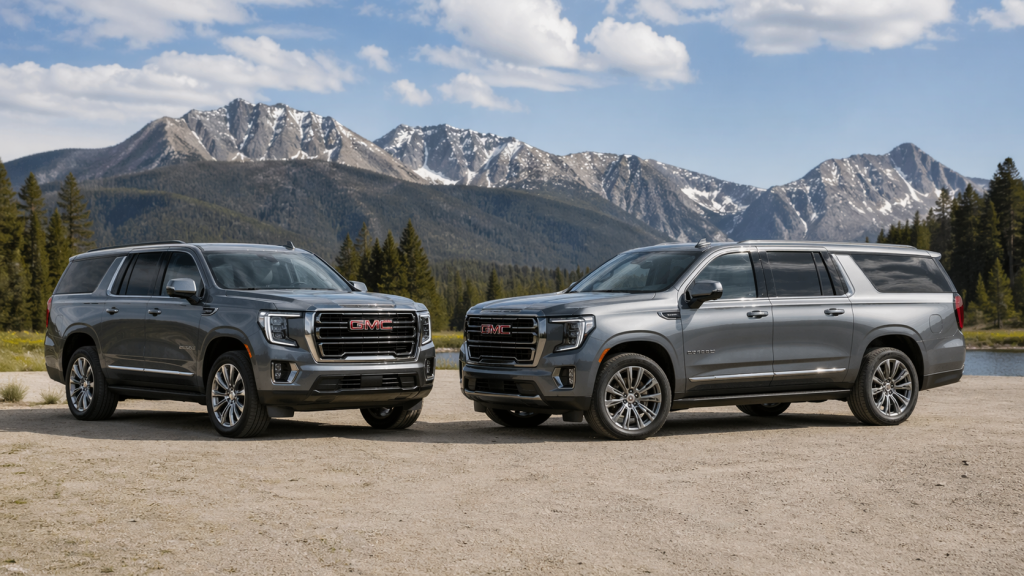
Choosing between the 2026 GMC Yukon and Yukon XL comes down to how you actually use your big SUV. Both share the same powertrains, frame, and tech—but roughly 15 inches of wheelbase makes a real difference when you’re hauling kids, cargo, or a trailer down I-10. This GMC Yukon review breaks down the space, seating, and towing specifics to help you decide which model fits your life.

This review is for families, commuters, and anyone considering a full-size SUV for space, towing, and comfort needs in Louisiana and beyond. Choosing the right Yukon model can impact your daily convenience, travel comfort, and long-term satisfaction. Whether you’re navigating city streets, embarking on Gulf Coast road trips, or towing heavy loads, understanding the differences between the Yukon and Yukon XL ensures you make the best decision for your lifestyle.


At Ross Downing GMC in Hammond, LA, we see families comparing these two models every week. Some need every inch of third row legroom for teenage passengers on Gulf Coast road trips. Others prioritize easier parking in tighter New Orleans neighborhoods. Here’s what you need to know.

Key specs for the 2026 GMC Yukon:

  • Three-row seating for up to 8 passengers
  • Maximum towing capacity of 8,400 pounds when properly equipped
  • Cargo space behind the third row: approximately 25.5 cubic feet
  • Overall length: around 210 inches on a 120.9-inch wheelbase

How the 2026 GMC Yukon XL differs:

  • Extended 134.1-inch wheelbase (roughly 15 inches longer)
  • Overall length: approximately 225 inches
  • Substantially more third row legroom for adult passengers
  • Up to 145 cubic feet of cargo space with all rear seats folded

This review focuses specifically on space, seating, and towing differences rather than exhaustive trim breakdowns. If you’re comparing full size suvs like the Ford Expedition, Chevrolet Tahoe, or Suburban, this guide helps narrow your options.

Model Lineup & Powertrains (What Both Yukon & Yukon XL Share)

The standard Yukon and Yukon XL share identical mechanical foundations. Same frame, same engines, same transmission. The only meaningful difference is physical size and the interior room that comes with it.

Available engines for 2026:

Engine

Horsepower

Torque

Best For

5.3L V8

355 hp

383 lb-ft

Daily driving, occasional towing

6.2L V8

420 hp

460 lb-ft

Strong acceleration, frequent towing

3.0L Duramax Diesel

305 hp

495 lb-ft

Maximum torque, fuel economy on long hauls

All three pair with a 10-speed automatic transmission and offer both 2WD and 4WD configurations. The Yukon Denali features this 10-speed automatic and can accelerate from 0 to 60 mph in 5.9 seconds—impressive performance for a vehicle this size.

The diesel engine delivers the highest torque output, making it ideal for sustained towing to Lake Pontchartrain or pulling a camper through state parks. However, gas V8s offer quicker throttle response for drivers who don’t tow regularly.

Both Yukon Denali and Yukon Denali Ultimate sit at the top of the lineup with premium features like Bose audio, panoramic moonroof, and available Super Cruise hands-free driving. The Denali Ultimate adds executive seating and advanced comfort features. Mechanical foundations remain consistent across both Yukon and Yukon XL regardless of trim.

Interior Space & Seating: Yukon vs. Yukon XL

Front Row Comfort

The spacious cabin across both models offers an upright driving position with excellent visibility—a feature the driver appreciates immediately when navigating Hammond’s streets or merging onto I-12. The interior design has transitioned to a minimalist appearance, with a large vertically oriented 16.8-inch touchscreen display and fewer physical controls, enhancing the overall user experience.

Front row comfort includes wide seats with available heating, ventilation, and massage functions on higher trims. The 11-inch digital instrument cluster keeps information clear without distraction. The center console provides ample storage and easy access to controls.

Second Row Options

Second row options shape passenger capacity:

  • Bench seating: 8 total passengers
  • Captain’s chairs: 7 passengers with easier third row access

The second row seats slide fore and aft, letting you balance legroom between rows. The seat mounting post and support post design influence both comfort and accessibility, making it easier for passengers to enter or exit and adjust their seating position. For families with car seats, the bench maximizes flexibility. Adults traveling regularly prefer captain’s chairs for comfort.

Third Row Comparison

Third row comparison—the critical difference:

Feature

Standard Yukon

Yukon XL

Headroom

~38 inches

~38 inches

Legroom

~34.9 inches

~42 inches

Best suited for

Kids, shorter adults, occasional use

Adults, teens, daily use

In the standard Yukon, third row room works for children and shorter adults on shorter trips. Taller passengers sitting back there on a three-hour drive to the Gulf Coast will notice a knees-up position.

The Yukon XL’s extended wheelbase changes everything. That extra legroom makes the third row genuinely adult-usable—passengers can stretch out during the drive from Baton Rouge to New Orleans without feeling cramped.

Our recommendation:

  • Third row used daily by teens or adults → Yukon XL
  • Third row for occasional use, tight garage → Standard Yukon

Rear Seat Entertainment

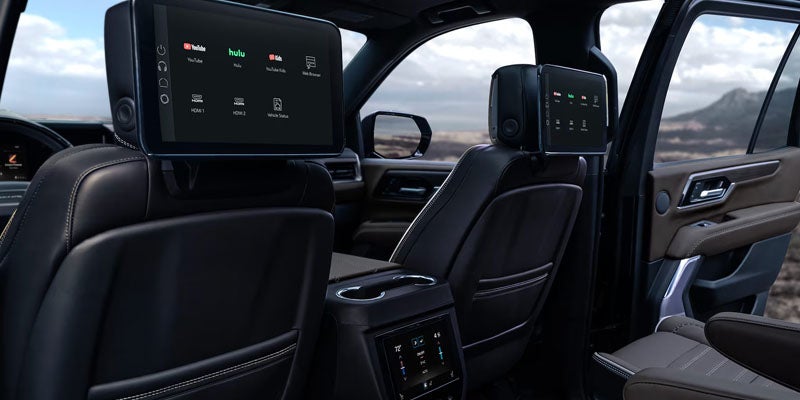
The Yukon Denali Ultimate includes a rear seat entertainment system with two 12.6-inch touchscreens, keeping passengers occupied during travel. This feature transforms long drives for kids who might otherwise hate sitting for hours.
Cargo Space & Everyday Practicality

Cargo Volume Comparison

This is where the Yukon vs. Yukon XL decision becomes most tangible. When you’re loading stuff for youth sports, groceries, or a camping trip, that extra length translates directly into usable cargo area.

Cargo volume comparison:

Configuration

Standard Yukon

Yukon XL

Behind third row

25.5 cu ft

41.5 cu ft

Behind second row

72.6 cu ft

93.8 cu ft

Maximum (seats folded)

122.8 cu ft

145 cu ft

The standard Yukon’s cargo space behind the third row fits a large stroller plus a couple of suitcases comfortably. The Yukon XL nearly doubles that, swallowing tons of gear without folding any seats. For families packing for week-long trips, this difference matters.

Both offer a flat load floor and power-folding third row that makes reconfiguring straightforward. Available hands-free power liftgate helps when your arms are full in parking lots around Covington or Hammond.

Garage Fit Considerations

Garage fit considerations: The Yukon XL’s added length—roughly 225 inches total—can challenge older 20-foot garages and tight downtown parking. If you regularly park in urban New Orleans, the shorter Yukon handles parallel parking and cramped spots more easily.

Which Suits You?

Which suits you?

  • Frequent road trips with full passenger load and luggage → Yukon XL
  • Mostly local driving with occasional cargo needs → Standard Yukon
  • Limited garage space or urban parking → Standard Yukon

Towing Capability & Long-Haul Comfort

Towing Capacity Overview

The GMC Yukon is a full-size SUV noted for its massive interior space, significant towing capacity, and premium technology features. Maximum towing reaches 8,400 pounds for properly equipped 2WD V8 models, with slight reductions for 4WD configurations and heavier Denali trims.

Engine Performance When Towing

How each engine performs when towing:

  • 5.3L V8: Adequate for weekend boat runs; smooth highway passing
  • 6.2L V8: Stronger acceleration; confident with heavier loads
  • Duramax Diesel: Best torque delivery and fuel economy for sustained pulls; ideal for frequent towers

The diesel’s 495 lb-ft of torque provides commanding low-end grunt that V8s can’t match. For pulling boats to Lake Pontchartrain or campers across state lines, the diesel engine earns its keep through better highway mileage and range approaching 640 miles.

Available Trailering Technology

Available trailering technology:

  • Integrated trailer brake controller
  • Hitch guidance with camera views
  • Trailer sway control
  • Transparent trailer view

The GMC Yukon is equipped with an adaptive air suspension system that enhances ride comfort and handling, allowing for adjustments in ground clearance for improved off-road capability. This air suspension self-levels when loaded, reducing rear squat and maintaining a comfortable ride for all three rows of passengers.

Stability Differences

Stability differences: The Yukon XL’s longer wheelbase creates a more planted feel with heavier trailers at highway speeds. Less pitch and bounce means more confident control when you’ve got a boat behind you.

Towing Tips from Our Hammond Team

Towing tips from our Hammond team:

  • Know your payload limits (typically 1,500–2,000 lbs depending on configuration)
  • Maintain proper tongue weight (10–15% of trailer weight)
  • Visit Ross Downing GMC for hitch setup and pre-trip inspections
  • Consider diesel if you tow monthly or more

Driving Experience & Technology

Beyond space and towing, daily driving comfort shapes your ownership experience. Whether you’re commuting between Hammond and Baton Rouge or running errands in the world of suburban traffic, both Yukons feel manageable despite their size.

The latest generation brings refined steering, improved brakes, and cabin insulation that keeps cruise noise around 66 dBA—quiet enough to hold conversations without raising your voice. The standard Yukon’s shorter footprint feels more nimble in parking lots, while the Yukon XL trades some maneuverability for highway stability.

Key technology highlights:

  • 16.8-inch touchscreen with Google built-in navigation
  • Wireless Apple CarPlay and Android Auto
  • 11-inch digital driver display
  • Wi fi hotspot connectivity
  • The 2026 GMC Yukon introduced a more conventional steering column shifter, addressing complaints about the push-button gear selector

The 2026 GMC Yukon Denali Ultimate comes equipped with over 15 standard safety and driver-assistance features, including automatic emergency braking, blind zone steering assist, and rear cross-traffic braking. The Super Cruise system allows for semi-autonomous driving on over 750,000 miles of mapped divided highways, with safety features that monitor driver engagement. This feature works even while towing on compatible routes.

The Super Cruise system in the GMC Yukon allows for semi-autonomous driving on over 750,000 miles of mapped divided highways, with safety features that monitor driver engagement and can safely pull the vehicle over if the driver is incapacitated.

The GMC Yukon includes a rear camera mirror that enhances visibility behind the vehicle, helpful when the cargo area is stacked to the windshield. Night vision capability on higher trims adds another layer of awareness.

Must-have options our team recommends:

  • Adaptive air suspension (for towing and a smoother ride)
  • Rear camera mirror (essential for loaded cargo situations)
  • 360-degree camera (makes parking the big daddy of SUVs much easier)

Some drivers compare the Yukon to a minivan for family duty, but the Yukon delivers truck-based capability with premium suv refinement. It’s a different vehicle entirely—built on a frame designed to pull, not just carry.

Trims, Pricing & Value in the Real World

Understanding where value lands helps you connect features to budget. Most buyers in the Hammond, Baton Rouge, and New Orleans area find their sweet spot somewhere between entry-level and fully loaded luxury.

2026 trim lineup (both Yukon and Yukon XL):

  • SLE/Elevation: Value entry with cloth seats and core tech
  • SLT: Leather, upgraded display, enhanced comfort
  • AT4: Off-road styling, all-terrain tires, lifted suspension
  • Denali: Luxury focus with premium materials and Bose audio
  • Denali Ultimate: Top-tier luxury with massaging seats and executive features

The base price of the 2026 GMC Yukon starts at $69,395 for the Elevation trim and goes up to $79,695 for the Denali trim. The Yukon XL typically adds $3,000–$5,000 to each corresponding trim. The fully loaded 2026 GMC Yukon Denali Ultimate can reach a price of $107,285, depending on the options selected.

The GMC Yukon is positioned as a more affordable alternative to the Cadillac Escalade, with a price difference of approximately $10,600 between the two models. You get similar space and capability without crossing into that luxury price tier.

Fuel economy expectations:

  • V8 models: Mid-teens combined (14–18 mpg)
  • Diesel: Up to 21 city/26 highway mpg for 2WD models

For long-distance travel between regional cities, the diesel’s efficiency advantage compounds over three years of ownership.

Best value picks:

  • SLT Yukon: Solid features for mixed city use
  • Yukon XL SLT or AT4: Bigger families needing daily third-row access
  • Denali diesel: Frequent towers prioritizing highway range

GM’s warranty coverage—3-year/36,000-mile basic and 5-year/60,000-mile powertrain—supports long-term value. Our service department at Ross Downing GMC handles every maintenance visit with GM Genuine Parts and certified technicians.

Buying in Hammond, LA: Yukon vs. Yukon XL for Your Lifestyle

Shoppers across Hammond, Baton Rouge, Covington, and New Orleans share common needs: room for families, towing for boats and campers, and vehicles that handle Gulf Coast road trips without compromise.

Quick decision guide:

Your Situation

Best Choice

Three kids, daily third-row use

Yukon XL

Occasional third-row, tight garage

Standard Yukon

Frequent towing with full family load

Yukon XL

Primarily local driving, weekend trips

Standard Yukon

Youth sports equipment + passengers

Yukon XL

At Ross Downing GMC, we stock both 2026 Yukon and Yukon XL models for back-to-back test drives. Feeling the size difference in person—especially when loading cargo or adjusting second row configurations—clarifies the choice faster than any spec sheet.

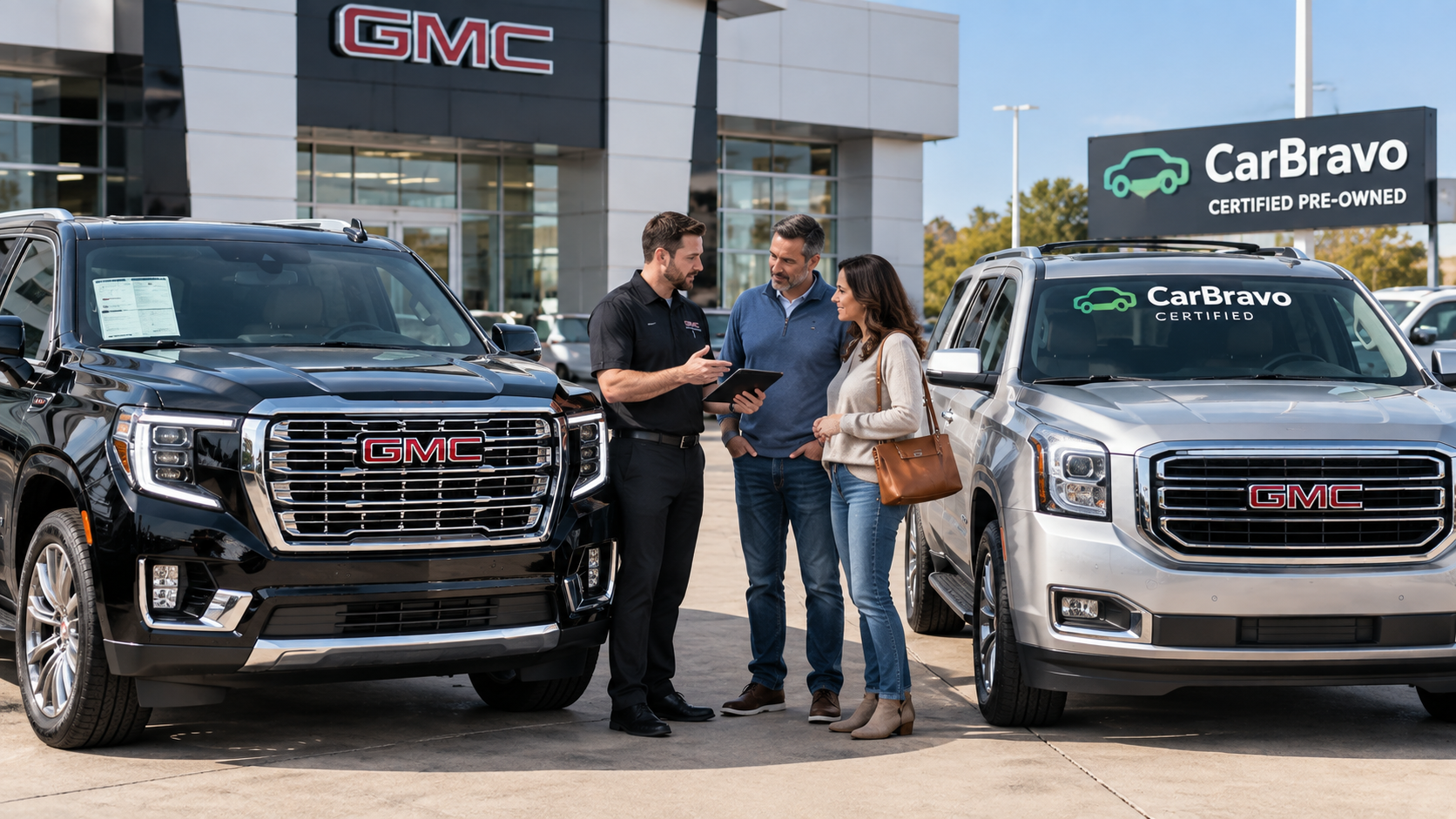
For budget-conscious buyers, certified pre-owned Yukon and Yukon XL options offer multi-point inspections, factory-backed warranty, and roadside assistance at lower price points.

Ready to move forward?

The GMC Yukon has received mixed customer sentiment overall, with aggregate ratings landing around 3 to 3.6 out of 5 stars—but individual satisfaction depends heavily on matching the right model to your specific needs. That’s exactly why test driving both matters.

Whether you choose the standard Yukon or stretch to the XL, you’re getting a vehicle engineered for real family life, real towing demands, and real Louisiana roads. The right choice comes down to your third row needs, cargo expectations, and how often you pull a trailer—not just the badge on the tailgate.
Posted in:

Related Posts

2027 GMC Sierra 1500 Engine Lineup and New Technology

The 2027 GMC Sierra 1500 introduces four announced powertrains, including two new sixth generation V8 engines. GMC has also confirmed a redesigned cabin, expanded digital displays, and wider Super Cruise availability. However, final horsepower, torque, trailering, payload, pricing, and fuel economy figures have not been released. Therefore, early research should focus on confirmed hardware and pending details. What GMC Has Confirmed for the 2027 Sierra 1500 What has GMC confirmed about the 2027 GMC Sierra 1500 engine lineup? The announced range includes TurboMax, Duramax, 5.7L V8, and 6.6L V8 choices. Each engine will pair with a 10 speed automatic transmission. Additionally, the two V8 engines are new sixth generation Small Block designs. GMC says the TurboMax and 3.0L Duramax diesel will remain in the range. As a result, this four engine structure gives readers several routes for work, travel, towing, and trail use. GMC has confirmed these core powertrain details: more An enhanced TurboMax engine will remain available. The 3.0L Duramax Turbo Diesel will continue as the diesel choice. New 5.7L and 6.6L Small Block V8 engines will join the range. Every announced engine will use a 10 speed automatic transmission. Still, GMC has not published the complete engine and trim chart. Final output figures also remain pending. The redesigned truck is expected to reach dealerships in late 2026. Therefore, Ross Downing GMC shoppers can begin comparing engine roles now. Exact ordering decisions should wait for final specifications. How the New V8 Engines Change the Lineup In addition, the new 5.7L and 6.6L engines replace the prior V8 structure with larger displacement choices. GMC also identifies new combustion, cooling, control, and fuel injection technology. Those updates shape how fuel burns, heat moves, and power reaches the transmission. Combustion design controls how air and fuel burn inside each cylinder. A cleaner, more controlled burn can support smoother power delivery. Additionally, revised fuel injection can meter fuel with greater precision across changing engine loads. Cooling design manages heat during long pulls, slow trail travel, and extended highway operation. Therefore, cooling changes matter when a truck works for long periods. Moreover, engine controls coordinate throttle input, fuel delivery, spark timing, and transmission response. Is the new 6.6L V8 the same engine found in Sierra HD trucks? GMC has not described it that way. The company identifies it as a new sixth generation Small Block for Sierra 1500. Therefore, shared displacement alone cannot confirm shared architecture or calibration. GMC also says the 6.6L V8 will be standard on Denali Ultimate. However, the complete availability chart has not been released. Readers should avoid assuming every trim will offer both V8 choices. Where TurboMax and Duramax Fit Still, the four engine range is not a simple ladder from small to large. Instead, each choice serves a different type of truck use. The final decision should reflect load frequency, travel distance, fuel preference, and desired trim. TurboMax may appeal to readers who want strong low speed response without selecting a V8. It may also support a lower entry point within the lineup. However, final 2027 output and trailering figures remain pending. The 3.0L Duramax Turbo Diesel remains the long distance option within the announced range. Diesel torque delivery can suit steady highway travel and frequent trailer use. In addition, diesel fuel economy may matter to owners covering many miles. Final 2027 ratings will provide the needed comparison. The 5.7L V8 creates a middle V8 choice. It may suit readers who prefer traditional V8 sound and power delivery. By contrast, the 6.6L V8 becomes the largest announced gasoline engine for Sierra 1500. No engine should be selected from displacement alone. Therefore, readers should compare final torque curves, payload ratings, axle choices, and trim availability. Purchase price and fuel cost should also enter the decision. How Engine Choice Connects With Towing Does the largest engine automatically produce the highest Sierra towing capacity? No. The engine contributes power, yet the complete truck configuration sets the final trailering limit. Cab style, bed length, drivetrain, axle ratio, curb weight, cooling equipment, and trailering packages all change the rating. Furthermore, payload matters because passengers, cargo, and hitch weight share the same limit. Therefore, a truck can reach its payload ceiling before reaching its trailer ceiling. A proper towing comparison should review: The exact trailering rating for the chosen configuration. The payload label attached to the specific truck. The expected tongue weight from the loaded trailer. Passenger, cargo, accessory, and hitch weight. Required cooling, axle, brake, and trailering equipment. Louisiana truck owners may tow boats, utility trailers, campers, or work equipment. Each load places different demands on the truck. Additionally, heat and long highway distances can increase thermal strain. Final GMC guides will show which configurations receive the necessary hardware. Until those guides arrive, readers should avoid using current model ratings for the 2027 truck. The new engines may change the numbers. However, GMC has not confirmed those final values. Trims and New Cabin Technology Additionally, engine selection will connect closely with trim selection. GMC has confirmed Pro, Elevation, AT4, AT4X, Denali, and Denali Ultimate. However, only selected engine pairings are public. Denali Ultimate will receive the 6.6L V8 as standard. Super Cruise will be standard on AT4, AT4X, Denali, and Denali Ultimate. In addition, GMC says the technology will be available on Elevation. Super Cruise supports hands free driving on compatible roads while the operator remains attentive. It can also support compatible trailer travel. However, road coverage, plan terms, hardware, and operating rules still apply. The redesigned cabin can offer more than 60 inches of combined digital displays. Available screens include a 12.2 inch driver display and a 16.3 inch center display. GMC also lists an 11.5 inch passenger screen, 15 inch head up display, and 8.5 inch camera mirror. More screen space does not guarantee easier control. Therefore, shoppers should test menu placement, camera access, climate controls, and display visibility. The passenger screen may separate media tasks from driver information. The head up display can place key data closer to the road view. An available MultiPro Center Console adds concealed storage and an extended work surface. Bose head restraint speakers and a panoramic sunroof are also announced. These items may shape trim selection as much as engine choice. What to Verify Before Ordering The 2027 GMC Sierra 1500 gives truck shoppers more confirmed choices than the current V8 range. However, the most important ordering details are still pending. A careful comparison should wait for GMC to publish complete specifications. Before choosing a configuration, verify final horsepower, torque, payload, trailering, and fuel economy figures. Additionally, review the engine chart for each trim. Cab, bed, axle, drivetrain, and package availability should also receive close attention. Readers should also confirm these details on the exact truck: The payload label inside the door opening. The trailering guide rating for that configuration. The engine and axle pairing shown on the order sheet. The included camera, hitch, and trailering equipment. Super Cruise availability and required service terms. Ross Downing GMC can explain new information as GMC releases final order details. Therefore, shoppers near Hammond, Baton Rouge, Covington, and New Orleans can compare confirmed configurations with their towing plans. The right Sierra should match the load, route, passenger needs, and preferred cabin equipment. For now, the strongest approach is patient research. The 5.7L and 6.6L V8 engines bring major change under the hood. At the same time, TurboMax and Duramax preserve two familiar powertrain paths. Final ratings will reveal how each configuration handles work, towing, and long distance travel.

GMC SUV Lineup for Comfortable Louisiana Road Trips

The GMC SUV lineup gives Louisiana travelers four distinct choices for passengers, luggage, highway miles, and trailer needs. Terrain, Acadia, Yukon, and Yukon XL each place space in a different area. Therefore, the right match starts with the seats used during a normal trip. It also starts with the bags, coolers, strollers, or outdoor gear traveling behind them. How Trip Size Shapes the GMC SUV Choice Which GMC SUV fits a Louisiana road trip? The answer starts with passenger count, occupied seat cargo room, route length, and trailer needs. Maximum cargo figures can mislead when every rear seat must stay raised. Therefore, compare space behind the last occupied row before reviewing total cargo volume. A couple traveling to the Gulf may need room for two bags and a cooler. A family of six may need three rows plus space for luggage. In addition, a group towing a boat must account for people, cargo, hitch weight, and trailer equipment. Use these questions before comparing models: more How many seats will remain occupied for most of the trip? Which bags and large items must stay behind the last occupied row? Will the route include a trailer, city parking, or a small garage? These answers place each SUV in a clearer role. Terrain favors a smaller travel group and easier parking. Acadia adds a third row without full size dimensions. Yukon provides a larger cabin and stronger trailer options. Yukon XL extends cargo room behind the third row. When Terrain Fits a Louisiana Road Trip Terrain seats five and uses two seating rows. Current GMC figures list 29.8 cubic feet behind the second row. With that row folded, maximum cargo volume reaches 63.5 cubic feet. Therefore, Terrain can suit couples, smaller households, and travelers with lighter packing plans. Its smaller exterior also makes city stops easier. Parking near restaurants, hotels, and crowded attractions may require less planning. In addition, a shorter body can make a home garage easier to use. Terrain works well when every traveler can sit within two rows. It also works when luggage fits behind the second row without blocking rear visibility. However, five occupied seats leave no spare row for extra bags. Before choosing Terrain, place normal luggage in the cargo area during a dealership visit. Check stroller length, cooler height, and suitcase width. Furthermore, sit in both rows for several minutes. A quick seating check may miss pressure points that appear later on the highway. When Acadia Provides the Middle Position Acadia adds three rows and seats up to eight. Current GMC figures list 23 cubic feet behind the third row. Folding the second and third rows opens up to 97.5 cubic feet. Therefore, Acadia creates more seating choices while keeping a midsize footprint. That 23 cubic foot figure deserves close attention. Eight seating positions do not guarantee room for eight large suitcases. Consequently, a full passenger load may require soft bags, careful packing, or an approved exterior carrier. Acadia makes sense when the third row serves children, occasional adult riders, or part of a larger group. It also suits households needing three rows during trips but fewer seats during normal errands. Furthermore, current Acadia trims can tow up to 5,000 pounds when properly equipped. A trailer plan still requires the exact rating, payload label, hitch weight, passengers, and cargo. The published maximum should never replace math for the chosen SUV. For long trips, test third row entry, charging access, climate flow, and seat position. These details shape comfort after several hours. They also reveal whether Acadia supplies enough room without moving into Yukon dimensions. When Yukon Supports Larger Groups and Trailers Yukon is a full size three row SUV with seating for up to eight. Current GMC figures list 25.5 cubic feet behind the third row. Space rises to 72.5 cubic feet behind the second row. With rear seats folded, maximum cargo volume reaches 122.8 cubic feet. The larger cabin gives adults more room across longer trips. Yukon also offers gasoline and diesel engine choices across the current range. Therefore, it deserves attention from households carrying people, gear, and a trailer. Still, towing requires more than selecting the largest SUV. Passengers, luggage, accessories, and trailer tongue weight share the payload limit. In addition, engine, drivetrain, axle, hitch equipment, and trim can change the published rating. Yukon may fit families who use all three rows but carry moderate luggage. It may also suit boat, camper, or utility trailer trips. However, its size asks for more parking space than Terrain or Acadia. Measure the home garage and frequent parking areas before choosing Yukon. Check overall length, mirror width, and liftgate clearance. These simple measurements can prevent daily frustration after the road trip ends. When Yukon XL Cargo Space Becomes Necessary Y ukon XL extends the body behind the passenger cabin. Current GMC figures list 41.5 cubic feet behind the third row. That is 16 cubic feet more than Yukon provides in the same area. Therefore, Yukon XL stands apart when every row stays raised. Maximum cargo volume reaches 144.5 cubic feet with the rear seats folded. Space behind the second row reaches 93.6 cubic feet. These figures support large luggage loads, sports gear, travel supplies, and bulky family items. The longer body also brings a larger fuel tank in current Elevation and AT4 specifications. Yukon XL lists about 28 gallons, while Yukon lists about 24 gallons. Yet tank size alone does not establish highway range. Engine, drivetrain, speed, load, and trailer use all change fuel stops. Yukon XL fits groups that need three occupied rows plus substantial luggage room. It also fits households that carry large gear without folding passenger seats. By contrast, the extra length requires more garage depth and parking planning. A test drive should include a tight parking lot and a familiar route. Additionally, test the rear camera views and liftgate space. The largest cargo area has limited value when the SUV cannot fit its normal parking area. Match the SUV With the Normal Trip The final choice should reflect the trip that happens most, not the rare trip that happens once. Terrain serves smaller groups with lighter cargo. Acadia adds three rows while retaining midsize dimensions. Yukon supports larger people, gear, and trailer plans. Yukon XL adds the most room behind an occupied third row. Before selecting a GMC SUV, confirm these details: Count the seats that will remain occupied during a normal trip. Load the usual bags, cooler, stroller, or sports gear during an in person review. Compare the exact fuel, payload, and trailer figures for the chosen configuration. Measure garage depth, parking space, and liftgate clearance at home. Test charging points, climate controls, cameras, and every seating row. Ross Downing GMC gives travelers near Hammond a place to compare each model in person. Bring the people and gear that shape the trip whenever possible. Therefore, the cabin test becomes more useful than a simple walkaround. Louisiana travel may include interstate miles, downtown parking, Gulf trips, or boat launches. Each route places different demands on space and maneuvering. The right GMC SUV should carry the normal group comfortably while keeping luggage, fuel stops, and parking manageable.

GMC Sierra Cab Configuration for Passenger and Bed Needs

A GMC Sierra cab configuration controls where the truck carries passengers, protected gear, and open bed cargo. GMC calls its one row layout the Regular Cab. Shoppers may still see the phrase single cab in search results or used listings. However, both phrases point toward the same basic one row truck layout. The Double Cab adds a second row and four doors. Therefore, the choice starts with one question. Will the truck carry more people, more enclosed gear, or more bed cargo? Single Cab Means Regular Cab in the Sierra Lineup What does single cab mean when shopping for a GMC Sierra? GMC uses Regular Cab for its one row truck layout. That name appears within factory configuration tools, model pages, and inventory filters. The Double Cab adds rear seating without moving into Crew Cab dimensions. As a result, it serves a different role than the Regular Cab. It also serves a different role than the larger Crew Cab. A Regular Cab may suit one driver, two passengers, or a work focused routine. The layout places cabin space ahead of the front seats only. Therefore, more truck length can support the bed. A Double Cab adds a smaller rear seating area. It also adds enclosed space for tools, groceries, clothing, or electronics. However, the second row does not match Crew Cab rear room. Search filters may use either Single Cab or Regular Cab wording. Therefore, review door count, interior photos, and seating details before ruling out a listing. Seating and Interior Storage Change the Choice A Regular Cab offers one seating row with room for up to three people. The layout keeps the cabin simple and direct. In addition, it gives the driver easy access to the front seating area. A Double Cab adds four doors and a second row. Current Sierra measurements list 35.24 inches of rear legroom. Therefore, adults should test the rear seat before planning frequent long trips. The second row can serve another purpose. It can hold tools, paperwork, groceries, coats, and electronic equipment. Because the space sits inside the cab, those items remain protected from rain and open bed weather. Child seat routines also deserve close review. Rear door size, seat angle, and front seat position can shape access. Therefore, families should bring the seat during a dealership visit. Passenger count alone does not settle the choice. Trip length, passenger height, and ride frequency matter more. A Double Cab may suit occasional riders well. However, frequent adult passengers may need Crew Cab space. Cab Choice Changes Bed Options Cab space and bed space share the truck structure. Therefore, every extra inch inside the cabin changes total length, wheelbase, bed pairing, or all three. The current Sierra Regular Cab offers standard and long bed forms. The standard bed measures 79.44 inches. The long bed measures 98.20 inches. The current Double Cab pairs with the 79.44 inch standard bed. Therefore, it keeps a useful cargo floor while adding rear seating. These pairings create clear choices: Choose Regular Cab with the long bed for maximum open cargo length. Choose Regular Cab with the standard bed for a shorter work focused layout. Choose Double Cab with the standard bed for rear seating and full standard bed length. Still, cab name alone does not reveal overall truck size. Wheelbase and total length must also enter the comparison. A larger cab can produce a longer truck, even with the same bed. Garage depth also matters. In addition, parking structures and tight job sites may limit turning space. Measure the normal parking area before choosing a cab and bed pairing. Work and Daily Travel Should Guide the Decision The best cab choice starts with the truck’s weekly routine. A solo contractor may place bed length above rear seating. By contrast, a small crew may need secure seating and enclosed storage. Regular Cab suits drivers who carry front passengers only. It also suits work that depends on long materials, toolboxes, or larger bed cargo. Therefore, the long bed pairing may hold strong appeal. Double Cab supports mixed use. It can carry rear passengers during short trips. In addition, it can hold equipment that should stay inside the cabin. Daily parking should also shape the choice. A truck used in downtown Hammond may face tighter spaces than one used on rural property. Therefore, compare wheelbase, overall length, and turning space. The same step applies to home parking. Measure the garage from the closed door to the front wall. Also account for shelving, steps, and stored equipment. Neither cab wins every comparison. The right layout matches passenger frequency, cargo type, parking space, and bed needs. Towing and Payload Follow the Full Configuration Does a Regular Cab always tow more than a Double Cab? No. The complete truck configuration establishes the published limit. Engine, drivetrain, axle ratio, bed, cab, wheels, and trailering equipment all enter the rating. Curb weight also changes how much payload remains. Payload includes passengers, cargo, accessories, and trailer tongue weight. Therefore, rear passengers and cabin gear use part of the available payload. A lighter cab may leave more room within one rating. However, that does not create one universal answer. Another configuration may include stronger cooling, a different axle, or required trailering equipment. Always check the payload label on the exact truck. In addition, match the vehicle to the official trailering table. Do not rely on a broad model claim alone. For towing, compare the loaded trailer weight and expected tongue weight. Then add passenger, cargo, hitch, and accessory weight. This process gives a clearer view of the truck’s limits. What to Check When Shopping Used Sierra Inventory Used listings may call the same layout Single Cab or Regular Cab. Therefore, confirm the configuration through photos, specifications, and the vehicle itself. Before visiting, review these details: Count the doors and confirm whether rear seating appears in the photos. Check the listed bed length and compare it with the visible cargo box. Review the wheelbase and overall length when those measurements appear. Confirm engine, drivetrain, axle, payload, and trailering equipment. Inspect the door label and official vehicle information in person. Also review how the rear area will serve the truck. A Double Cab may hold people, tools, or personal items. A Regular Cab may support more bed length and a simpler cabin. Used inventory can vary by model year, trim, and prior ownership. Therefore, a familiar cab name does not guarantee identical measurements or equipment. Ross Downing GMC shoppers can compare Regular Cab and Double Cab inventory near Hammond. Bring passenger, cargo, parking, and towing needs into that visit. The right Sierra cab should fit the truck’s normal week, not one rare task.