



A GMC maintenance schedule should include tire rotation, pressure checks, tread inspection, and attention to wheel service warning signs. GMC lists tire rotation near the 7,500 mile mark for many current gas models. However, the Owner’s Manual remains the final source for each truck or SUV.
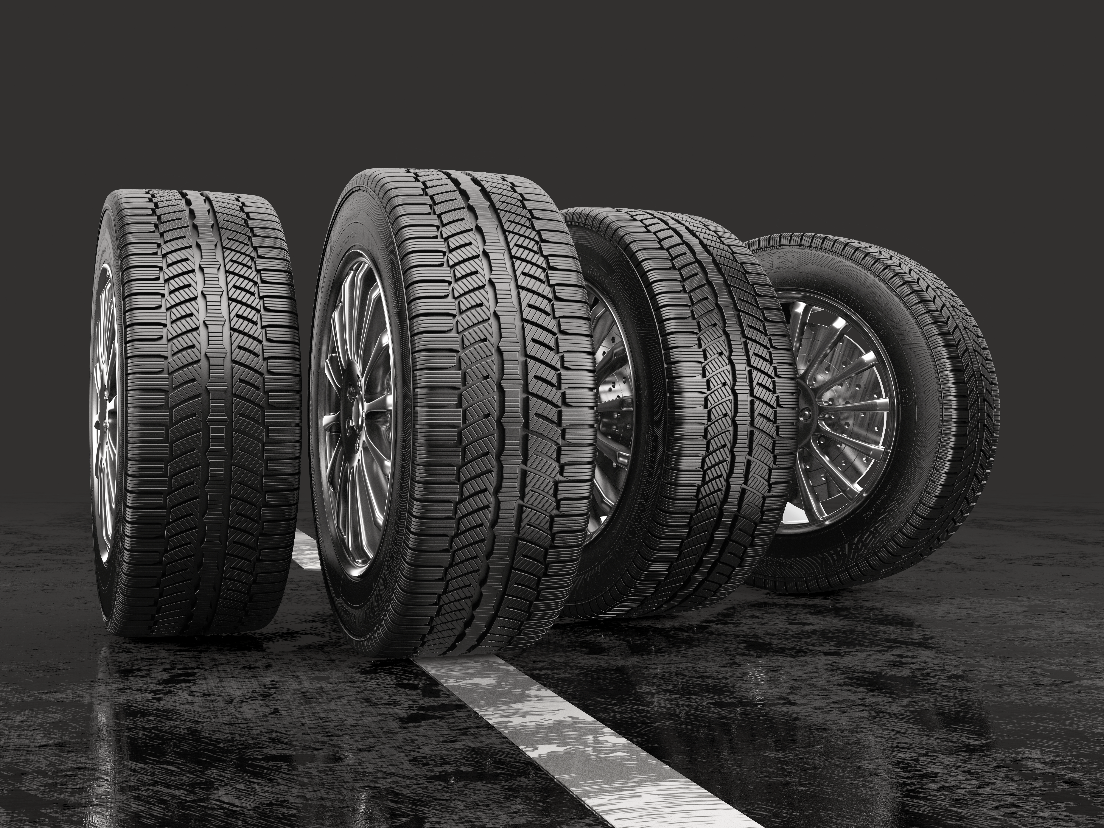
Mileage gives owners a useful service point. Still, tire wear can appear sooner after towing, heavy cargo, pothole impacts, or pressure loss. Therefore, tread patterns and steering changes deserve attention between scheduled visits.
When Tire Rotation Belongs in the Schedule
When should tire rotation appear in a GMC maintenance schedule? GMC lists tire rotation every 7,500 miles. However, the exact interval and pattern come from the Owner’s Manual.
Front tires handle steering and a large share of braking force. Rear tires may carry more drive force, cargo weight, or trailer tongue weight. Therefore, each wheel position can wear tread at a different rate.
Rotation moves tires between approved positions. This step spreads normal position wear across the set. As a result, owners may gain more even tread depth across all four tires.
Still, the 7,500 mile mark is not a reason to ignore visible wear. A tire with rapid edge wear needs inspection first. Rotation cannot restore tread that has already worn away.
What Rotation Changes Across the Tire Set
Tires meet different forces at each corner. Steering scrubs the front tread during turns. Braking also shifts weight toward the front axle.
By contrast, rear tires may face added drive force. Sierra and Canyon models can also place bed cargo over the rear axle. Trailer tongue weight adds more downward force behind the cab.
Terrain, Acadia, Yukon, and Yukon XL models carry passenger and luggage weight across the cabin. Therefore, rear tire load can rise during family travel.
The approved rotation pattern can change with drivetrain, wheel size, tire design, and fitment. Some setups cannot move every tire to every position. Therefore, owners should follow the pattern listed for their exact model.
Rotation also creates a useful inspection point. A technician can measure tread depth at several places across each tire. Those readings can reveal pressure issues, wheel angle concerns, or damage.
When Wheel Angle Service or Balancing Needs Attention
Rotation, balancing, and wheel angle service serve separate purposes. Rotation changes tire positions. Balancing corrects uneven weight around a wheel and tire assembly. Wheel angle service sets how the wheels meet the road.
Certain warning signs deserve service before the next mileage point:
- The steering wheel shakes at highway speed.
- The GMC pulls left or right on a level road.
- The steering wheel sits off center while traveling straight.
- One tread edge wears faster than the opposite edge.
- A tire loses pressure more than the others.
Highway vibration can come from balance, tire damage, wheel damage, or suspension wear. Therefore, diagnosis should come before repair.
A pull or off center steering wheel can point toward wheel angle trouble. However, road slope, tire pressure, and tire damage can create similar symptoms.
Uneven tread also needs more than rotation. A technician should identify the source before moving the tire. Otherwise, the same wear pattern may continue in its new position.
How Towing and Cargo Change Tire Checks
Towing places trailer tongue weight on the tow vehicle. Passengers, bed cargo, hitch hardware, and accessories add more weight. Therefore, every item uses part of the available payload.
Rear tires on a Sierra or Canyon may carry a larger share during towing. Added load can raise heat within the tire. Low pressure can raise heat further because the sidewall flexes more.
Owners should check cold tire pressure before towing. The correct number appears on the Tire and Loading Information Label or in the Owner’s Manual. The sidewall maximum is not the normal pressure target.
Tire load ratings also matter. Replacement tires must meet the size and load requirements for the truck. A tire with the wrong rating may not support the intended load.
Additionally, inspect the tread and sidewalls before long trips. Look for cuts, bulges, embedded objects, and uneven wear. Check the spare when the truck carries one.
How Truck and SUV Tire Wear Can Differ
GMC trucks and SUVs may share a similar rotation interval. However, their daily loads can stress different tire positions.
Sierra and Canyon owners may carry tools, building materials, or trailer weight. Off pavement travel can also expose tires to sharp rocks and deep ruts. Therefore, sidewall and tread inspections deserve added attention.
Terrain and Acadia owners may carry passengers and luggage across longer highway trips. Yukon and Yukon XL models can add three row passenger weight plus cargo. As a result, rear tire pressure and tread should receive close review before travel.
Road surfaces also matter. Potholes can damage a tire, wheel, or wheel angle setting. Curb impacts can bend a wheel or mark a sidewall.
Still, model name alone does not predict wear. Tire pressure, load, road surface, and service timing shape each tire set. Owners should compare all four tread readings during every visit.
What Owners Should Check Before Service
A tire or wheel visit should provide more information than a rotation receipt. Owners should ask for tread measurements and visible wear notes. They should also review pressure and wheel concerns.
Before approving service, request these checks:
- Measure tread depth across the inner, center, and outer sections.
- Set cold pressure to the label specification.
- Inspect each sidewall for cuts, bulges, and impact marks.
- Check wheels for bends, cracks, or visible damage.
- Review steering pull, vibration, and off center steering concerns.
- Tighten wheel fasteners to the listed torque value.
Tire replacement may become necessary when tread reaches legal or manufacturer limits. Damage, age, repeated pressure loss, or internal injury may also require replacement.
Ross Downing GMC can review tire wear across Sierra, Canyon, Terrain, Acadia, Yukon, and Yukon XL models. A service visit can also identify wheel or suspension concerns before new tires receive the same wear.
Routine rotation supports more even tread across the set. However, warning signs should not wait for the next scheduled visit. Early inspection protects the tire set and gives owners clearer information about the repair needed.
Connect with us


