



Buying a used midsize truck often comes down to balancing capability, price, and long-term reliability. Many shoppers considering a used GMC Canyon are trying to figure out which model years offer the best value, which trims fit their needs, and what to check before making a purchase. The GMC Canyon has evolved significantly between 2017 and 2025, and understanding those changes is key to making a confident decision. Instead of treating all used models the same, it helps to break down how the truck has developed over time and how those differences affect real-world ownership.
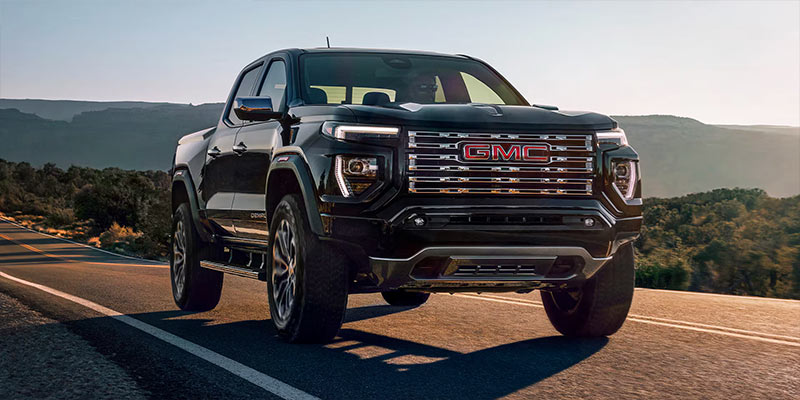
How the GMC Canyon Changed Between 2017 and 2025
Many buyers ask whether all used GMC Canyon models are essentially the same or if newer versions are worth the higher price. The reality is that the Canyon spans two distinct generations during this range, and those differences directly impact performance, features, and driving experience.
The 2017 through 2022 GMC Canyon represents the later years of the second generation. These models offer multiple engine options, including a gasoline V6 and an available diesel engine known for strong torque and towing capability. The interior layout is more traditional, with a straightforward infotainment system and physical controls.
Starting in 2023, the GMC Canyon was redesigned. The newer generation shifts toward a more modern cabin, updated technology, and a different powertrain approach focused on a turbocharged engine. This changes how the truck delivers power, particularly in low-end torque and responsiveness.
For used buyers, this means you are not just choosing a model year. You are deciding between two different design philosophies:
- 2017–2022 GMC Canyon models offer engine variety, including diesel, and a simpler interior layout
- 2023–2025 GMC Canyon models focus on updated technology, a redesigned cabin, and a turbocharged powertrain
Understanding this split helps narrow down which version of the Canyon aligns with your priorities before you even look at trims or features.
Which Used GMC Canyon Years Make the Most Sense for Different Buyers
Many shoppers searching for the best used GMC Canyon year expect a single answer, but the best choice depends on how the truck will be used.
For buyers focused on value and proven reliability, later second-generation models tend to stand out. A 2020–2022 GMC Canyon often includes updated features while still benefiting from a platform that had several years of refinement.
For buyers who want newer technology and a more modern interior, the redesigned 2023–2025 GMC Canyon offers a more current driving experience. The updated interface, improved connectivity, and revised powertrain can make daily driving feel more responsive and connected.
For towing or torque-focused buyers, earlier diesel-equipped GMC Canyon models can be especially appealing due to how diesel engines deliver low-end pulling power.
Instead of looking for a single best year, it helps to match the model year to your priorities:
- Value-focused buyers often gravitate toward 2020–2022 GMC Canyon models
- Technology-focused buyers may prefer 2023–2025 GMC Canyon models
- Towing-focused buyers may look for diesel-equipped 2017–2022 models
This approach provides a more accurate way to define what “best” actually means for your situation.
Used GMC Canyon Trims Explained Through Real-World Use
Shoppers often ask which GMC Canyon trim is the best, but trims are designed around different types of drivers rather than a single hierarchy.
The used GMC Canyon Elevation trim is typically the entry point for many buyers. It focuses on everyday usability, offering the core features most drivers need without adding unnecessary complexity. This makes it a practical choice for commuting and general use.
The GMC Canyon AT4 trim is designed for drivers who expect to leave paved roads. Its off-road-focused setup includes features that improve traction and control on uneven terrain. For buyers who plan to camp, explore trails, or drive in more rugged conditions, this trim aligns with those needs.
The GMC Canyon Denali trim shifts toward comfort and refinement. It emphasizes interior materials, additional technology, and a more premium feel, which makes it well suited for drivers who want their truck to function as both a utility vehicle and a daily driver.
Rather than choosing based on features alone, it helps to evaluate trims based on how the truck will be used:
- Elevation for daily driving and value-focused ownership
- AT4 for off-road capability and outdoor use
- Denali for comfort, technology, and a more refined driving experience
Matching the trim to your driving habits is more effective than trying to identify a universally “best” option.
What to Check Before Buying a Used GMC Canyon
Many buyers ask what problems to look for in a used GMC Canyon. A used vehicle inspection is less about expecting failure and more about understanding how the truck has been used and maintained.
A used GMC Canyon should be evaluated across several key areas:
- Transmission behavior during acceleration and shifting, especially under load
- Suspension condition, including signs of wear from towing or off-road use
- Service history, including regular maintenance and any major repairs
- Brake condition and overall wear components
- Interior electronics and infotainment responsiveness
Each of these areas provides insight into how the truck was used by its previous owner. For example, uneven suspension wear may suggest frequent towing or rough terrain use, while inconsistent maintenance records can signal potential long-term reliability concerns.
Instead of focusing only on mileage, buyers should evaluate how the vehicle was driven and maintained over time.
How to Decide Which Used Canyon Is the Best Fit
Choosing the right used GMC Canyon comes down to aligning the truck with your actual driving needs rather than trying to find the most popular model year or trim.
Buyers who prioritize affordability and simplicity may find the most value in later second-generation models. Those who want updated technology and a more modern feel may prefer the redesigned Canyon. Drivers who plan to tow or explore off-road environments should prioritize trims and configurations that support those activities.
The most effective way to narrow your decision is to consider:
- How often the truck will be used for towing or hauling
- Whether off-road capability is necessary or occasional
- How important modern technology and cabin design are
- The balance between purchase price and long-term ownership expectations
By focusing on these factors, buyers can move beyond general rankings and identify the used GMC Canyon that actually fits their lifestyle.
Final Perspective on Buying a Used GMC Canyon
The GMC Canyon remains a strong option in the used midsize truck market because it offers a range of configurations that suit different types of drivers. From diesel-powered second-generation models to the redesigned, technology-focused newer versions, the Canyon provides flexibility that many competitors do not.
Understanding how the truck evolved between 2017 and 2025, how trims are positioned, and what to look for during inspection allows buyers to approach the process with more clarity. Rather than searching for a single best version, the goal should be to find the Canyon that matches how you plan to use it every day.
Connect with us


