



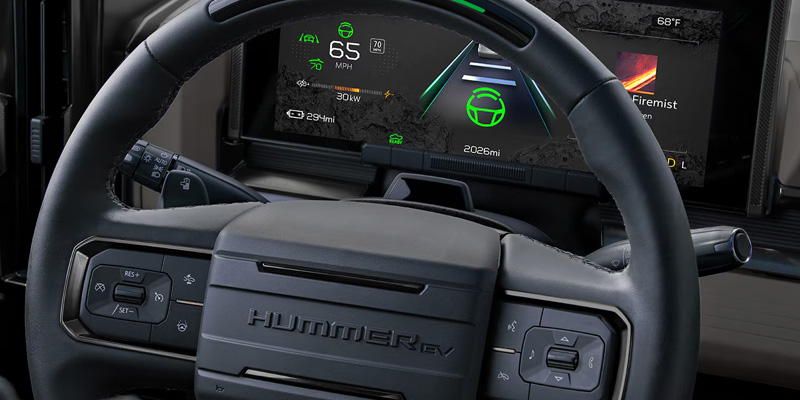
Modern GMC vehicles rely on stable electrical voltage to operate far more than just the starter motor. From digital displays and fuel management systems to advanced driver assistance technology, your battery supports nearly every system the moment you press the start button. Understanding how the battery works, how long it should last, and how to identify early warning signs helps prevent unexpected breakdowns.
Voltage Stability and Modern GMC Electrical Systems
Older vehicles relied heavily on mechanical systems. Today’s GMC models use networked electronic control modules that communicate constantly. These modules require consistent voltage to function correctly.
Your battery supports:
- Engine control module ignition sequencing
- Fuel injection timing
- Infotainment system startup
- Power steering assistance
- Advanced safety sensors and camera systems
If voltage drops below stable thresholds, systems may behave unpredictably before the vehicle even fails to start. Electrical glitches, warning lights, or inconsistent screen behavior can all trace back to battery degradation.
Typical GMC Battery Lifespan and What Affects It
Most factory installed batteries last between three and five years. Several variables influence that range:
- Climate conditions
- Driving frequency
- Electrical accessory load
- Charging system health
In colder climates, battery chemistry slows. Cold temperatures reduce available cold cranking amps, which measure the battery’s ability to start an engine in low temperatures. A battery that functions adequately in mild weather may struggle once temperatures drop.
Short trip driving can also shorten battery life. If the engine runs for only a few minutes at a time, the alternator may not fully recharge the battery after each start cycle.
Recognizing Early Battery Failure Symptoms
Battery failure rarely occurs without warning. Common indicators include:
- Slower than normal engine cranking
- Clicking sound when turning the key or pressing start
- Dim headlights at idle
- Flickering interior lights
- Dashboard battery warning light
- Random electrical malfunctions
A slow crank is often the first mechanical sign. This occurs because the battery cannot deliver sufficient amperage to the starter motor.
Electrical irregularities may appear before a complete no start condition. Modern systems are sensitive to voltage fluctuations, so minor battery weakness can trigger warning messages even when the vehicle still starts.
Battery vs Alternator: Understanding the Difference
Many drivers confuse battery and alternator failure because symptoms overlap.
The battery’s role:
- Stores electrical energy
- Provides high amperage for engine starting
- Stabilizes system voltage
The alternator’s role:
- Generates electricity once the engine is running
- Recharges the battery
- Powers electrical systems during operation
If a vehicle starts but dies while driving, the alternator may not be charging. If the vehicle struggles to start but runs normally once running, the battery is often the issue.
A professional diagnostic test measures both static voltage and load response. A battery can show proper voltage at rest but fail under load. Load testing simulates starting conditions to determine whether the battery can sustain required amperage.
Why Winter Accelerates Battery Failure
Cold temperatures increase engine oil viscosity, requiring more energy to crank the engine. At the same time, chemical reactions inside the battery slow down, reducing available power output.
This combination makes winter the most common season for battery replacement.
Vehicles with remote start systems or heavy accessory use also draw more standby power. Over time, parasitic drain can weaken older batteries more quickly.
Corrosion and Terminal Maintenance
Battery terminals should be inspected for corrosion buildup. Corrosion appears as white or bluish residue around terminal posts and cable connections.
Corrosion can:
- Increase electrical resistance
- Reduce charging efficiency
- Create intermittent starting issues
Cleaning terminals and ensuring tight cable connections helps maintain charging performance.
When to Replace Instead of Test
If your battery is approaching four years of age and early symptoms appear, replacement is often more practical than repeated testing. Waiting until complete failure risks being stranded.
Replacement timing should consider:
- Age of the battery
- Climate exposure
- Starting consistency
- Voltage test results
A healthy battery typically reads around 12.6 volts at rest. Significantly lower resting voltage can indicate degradation.
Electrical Diagnostics Beyond the Battery
If battery testing confirms proper operation but issues persist, technicians evaluate:
- Alternator output voltage
- Parasitic drain levels
- Starter motor current draw
- Wiring harness integrity
Modern GMC vehicles include onboard diagnostic systems that can log voltage related faults. Identifying the correct source prevents unnecessary part replacement.
Planning for Battery Service
Battery replacement is preventative maintenance. Addressing weakness before total failure protects:
- Electronic control modules
- Sensitive infotainment systems
- Charging system components
Routine inspections during oil changes can identify corrosion, mounting looseness, or voltage irregularities early.
For GMC owners in the Hammond area, the service team at Ross Downing GMC can perform comprehensive battery and charging system diagnostics to ensure your vehicle’s electrical systems remain stable and reliable year round.
Connect with us


