



A GMC Sierra cab configuration controls where the truck carries passengers, protected gear, and open bed cargo. GMC calls its one row layout the Regular Cab. Shoppers may still see the phrase single cab in search results or used listings. However, both phrases point toward the same basic one row truck layout.
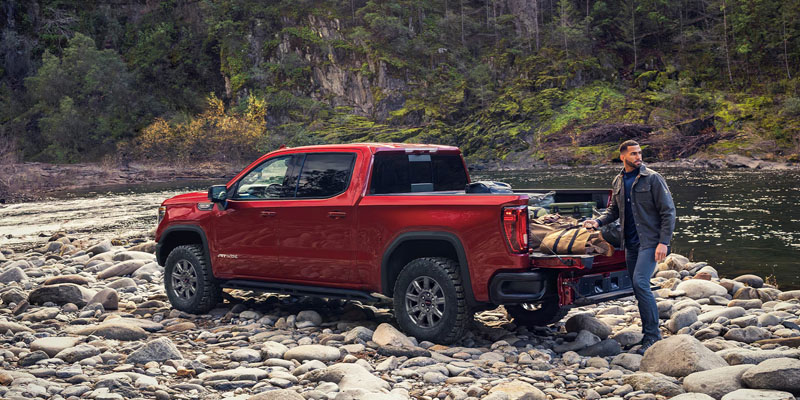
The Double Cab adds a second row and four doors. Therefore, the choice starts with one question. Will the truck carry more people, more enclosed gear, or more bed cargo?
Single Cab Means Regular Cab in the Sierra Lineup
What does single cab mean when shopping for a GMC Sierra? GMC uses Regular Cab for its one row truck layout. That name appears within factory configuration tools, model pages, and inventory filters.
The Double Cab adds rear seating without moving into Crew Cab dimensions. As a result, it serves a different role than the Regular Cab. It also serves a different role than the larger Crew Cab.
A Regular Cab may suit one driver, two passengers, or a work focused routine. The layout places cabin space ahead of the front seats only. Therefore, more truck length can support the bed.
A Double Cab adds a smaller rear seating area. It also adds enclosed space for tools, groceries, clothing, or electronics. However, the second row does not match Crew Cab rear room.
Search filters may use either Single Cab or Regular Cab wording. Therefore, review door count, interior photos, and seating details before ruling out a listing.
Seating and Interior Storage Change the Choice
A Regular Cab offers one seating row with room for up to three people. The layout keeps the cabin simple and direct. In addition, it gives the driver easy access to the front seating area.
A Double Cab adds four doors and a second row. Current Sierra measurements list 35.24 inches of rear legroom. Therefore, adults should test the rear seat before planning frequent long trips.
The second row can serve another purpose. It can hold tools, paperwork, groceries, coats, and electronic equipment. Because the space sits inside the cab, those items remain protected from rain and open bed weather.
Child seat routines also deserve close review. Rear door size, seat angle, and front seat position can shape access. Therefore, families should bring the seat during a dealership visit.
Passenger count alone does not settle the choice. Trip length, passenger height, and ride frequency matter more. A Double Cab may suit occasional riders well. However, frequent adult passengers may need Crew Cab space.
Cab Choice Changes Bed Options
Cab space and bed space share the truck structure. Therefore, every extra inch inside the cabin changes total length, wheelbase, bed pairing, or all three.
The current Sierra Regular Cab offers standard and long bed forms. The standard bed measures 79.44 inches. The long bed measures 98.20 inches.
The current Double Cab pairs with the 79.44 inch standard bed. Therefore, it keeps a useful cargo floor while adding rear seating.
These pairings create clear choices:
- Choose Regular Cab with the long bed for maximum open cargo length.
- Choose Regular Cab with the standard bed for a shorter work focused layout.
- Choose Double Cab with the standard bed for rear seating and full standard bed length.
Still, cab name alone does not reveal overall truck size. Wheelbase and total length must also enter the comparison. A larger cab can produce a longer truck, even with the same bed.
Garage depth also matters. In addition, parking structures and tight job sites may limit turning space. Measure the normal parking area before choosing a cab and bed pairing.
Work and Daily Travel Should Guide the Decision
The best cab choice starts with the truck’s weekly routine. A solo contractor may place bed length above rear seating. By contrast, a small crew may need secure seating and enclosed storage.
Regular Cab suits drivers who carry front passengers only. It also suits work that depends on long materials, toolboxes, or larger bed cargo. Therefore, the long bed pairing may hold strong appeal.
Double Cab supports mixed use. It can carry rear passengers during short trips. In addition, it can hold equipment that should stay inside the cabin.
Daily parking should also shape the choice. A truck used in downtown Hammond may face tighter spaces than one used on rural property. Therefore, compare wheelbase, overall length, and turning space.
The same step applies to home parking. Measure the garage from the closed door to the front wall. Also account for shelving, steps, and stored equipment.
Neither cab wins every comparison. The right layout matches passenger frequency, cargo type, parking space, and bed needs.
Towing and Payload Follow the Full Configuration
Does a Regular Cab always tow more than a Double Cab? No. The complete truck configuration establishes the published limit.
Engine, drivetrain, axle ratio, bed, cab, wheels, and trailering equipment all enter the rating. Curb weight also changes how much payload remains.
Payload includes passengers, cargo, accessories, and trailer tongue weight. Therefore, rear passengers and cabin gear use part of the available payload.
A lighter cab may leave more room within one rating. However, that does not create one universal answer. Another configuration may include stronger cooling, a different axle, or required trailering equipment.
Always check the payload label on the exact truck. In addition, match the vehicle to the official trailering table. Do not rely on a broad model claim alone.
For towing, compare the loaded trailer weight and expected tongue weight. Then add passenger, cargo, hitch, and accessory weight. This process gives a clearer view of the truck’s limits.
What to Check When Shopping Used Sierra Inventory
Used listings may call the same layout Single Cab or Regular Cab. Therefore, confirm the configuration through photos, specifications, and the vehicle itself.
Before visiting, review these details:
- Count the doors and confirm whether rear seating appears in the photos.
- Check the listed bed length and compare it with the visible cargo box.
- Review the wheelbase and overall length when those measurements appear.
- Confirm engine, drivetrain, axle, payload, and trailering equipment.
- Inspect the door label and official vehicle information in person.
Also review how the rear area will serve the truck. A Double Cab may hold people, tools, or personal items. A Regular Cab may support more bed length and a simpler cabin.
Used inventory can vary by model year, trim, and prior ownership. Therefore, a familiar cab name does not guarantee identical measurements or equipment.
Ross Downing GMC shoppers can compare Regular Cab and Double Cab inventory near Hammond. Bring passenger, cargo, parking, and towing needs into that visit. The right Sierra cab should fit the truck’s normal week, not one rare task.
Connect with us


