

Blog / Hammond GMC Service

GMC Sierra Brake Pads: How to Know You’re Ready for Summer Roads

Why GMC Sierra Brake Pads Matter Before Summer Trips

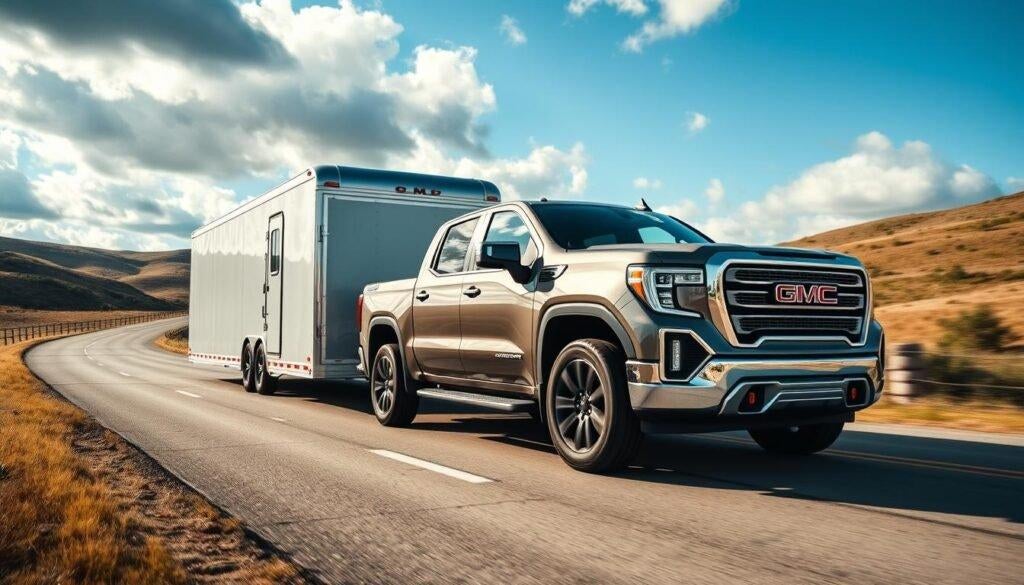
If you’re planning summer travel with your GMC Sierra, your braking system deserves attention before you hook up the trailer or load up the family. At Ross Downing GMC in Hammond, LA, we see firsthand how Louisiana’s towing demands—boats on the Causeway, campers heading to Florida, work trailers crossing I-10—push GMC brakes harder than average driving ever will.

This guide answers a straightforward question: How do you know when your GMC brake pads need replacement? We’ll cover the practical signs first, then explain how the system actually works so you understand what’s happening under your truck.

Ross Downing GMC uses GM Genuine Parts and ACDelco pads installed by factory-trained technicians who know GMC trucks and SUVs inside and out. Here’s what we’ll cover:

  • How GMC braking systems function and why heat matters
  • Warning signs that indicate pad wear
  • How usage and vehicle type change replacement timing
  • Pre-trip brake evaluation steps
  • When to visit our service center in Hammond

Quick Answer: How Do You Know When Your GMC Brake Pads Need Replacement?

How do you know when your GMC brake pads need replacement? Brake pads are worn when their friction material thins to the point that stopping distance increases, noise appears, or dashboard alerts activate. You don’t need to guess—your truck gives clear signals.

Key warning signs for GMC Sierra, Yukon, Terrain, and Acadia owners:

  • Audible squeal during light braking, especially when cold—this is the wear indicator doing its job
  • Grinding or growling noise indicating metal-to-metal contact
  • Soft or spongy brake pedal requiring longer travel to engage
  • Pulsation in the pedal or steering wheel at highway speeds
  • Visible pad thickness under 3mm when inspecting through wheel spokes
  • Brake System or ABS warning lights on the dashboard—also check that your brake fluid is filled to the maximum specified level for optimal brake performance and safety

Sierra owners who tow landscaping trailers, ATVs, campers, or boats often need pads replaced well before the generic 40,000–60,000 mile range. Additional heat and load accelerate wear significantly.

If any of these signs appear before summer travel, schedule a brake inspection at Ross Downing GMC’s service department in Hammond before your next highway trip.

How GMC Brake Pads and Rotors Actually Work (And Why Heat Is the Enemy)

Understanding how your braking system operates helps you recognize when something changes. The process starts when you press the brake pedal.

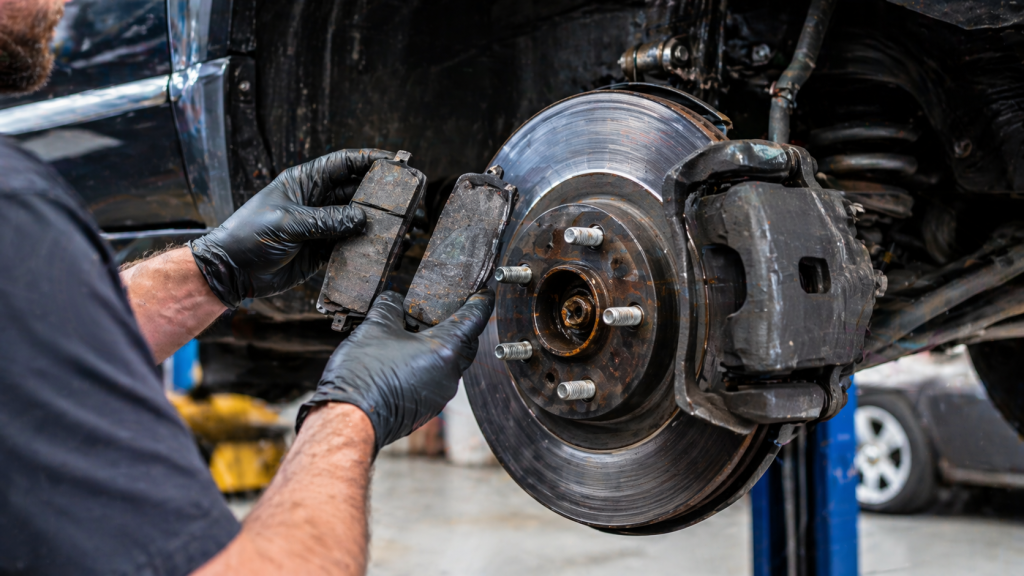
Brake pads consist of friction material bonded to a steel backing plate. When hydraulic pressure from brake fluid reaches the caliper, it pushes the pads into the spinning rotors—cast-iron discs attached to your wheels. The rotors connect directly to the vehicle's hub, serving as a crucial attachment point and enabling the braking system to function effectively. This friction converts your vehicle’s kinetic energy into heat, slowing and stopping the truck.

Every stop creates a heat cycle. Pads and rotors heat up under load, then cool as you drive. Over tens of thousands of stops, this repeated thermal cycling breaks down pad material structure. The GMC Sierra 1500, especially when towing, and the GMC Yukon with passenger loads generate substantially more heat per stop than lighter vehicles because of their weight.

Rotors function as heat dissipation devices. When they exceed their ideal temperature repeatedly—during mountain descents or stop-and-go I-12 traffic while towing—their surface can harden unevenly, creating thickness variation that causes vibration. Modern rotors and calipers often feature protective coatings or finishes to resist corrosion, helping extend the lifespan of these brake components.

Modern GM Genuine and ACDelco pads use engineered friction compounds (ceramic or semi metallic formulations) with built-in wear indicators designed specifically for General Motors applications. This engineering balances stopping power, noise control, and rotor longevity for GMC models. When installing disc brake pads, proper servicing is essential—this includes applying lubricant to contact points and installing retaining springs to ensure smooth operation and prevent noise.

Mechanical Causes Behind the Most Common Brake Warning Signs

When your brakes make noise or feel different, there’s a mechanical reason. Here’s what’s actually happening inside the system.

High-pitched squealing at low brake pressure: A small metal tab (wear indicator) contacts the rotor once friction material thins to approximately 3mm. GM designs these indicators to create noise before stopping power drops significantly. The squeal is louder during gentle braking because light pressure allows the tab to vibrate freely. Additionally, worn or improperly installed brake pad retaining springs can allow pads to move or rattle, contributing to unwanted noise.

Grinding or growling: Severely worn pads allow metal backing plates to dig into rotors, removing material from both components. This creates a deep, alarming sound and sharply reduces braking efficiency—especially dangerous when towing with a Sierra.

Steering wheel or pedal vibration: Rotor thickness variation and heat spots cause this pulsation, particularly noticeable at highway speeds. Heavy Yukon or fully loaded Sierra rotors are susceptible when subjected to repeated hard stops or prolonged braking on hills.

Soft, spongy, or low brake pedal: This can result from pad wear causing longer caliper piston travel, heat-related brake fluid fade, or air and moisture in the hydraulic system. This symptom requires immediate inspection—it directly affects your ability to stop.

Burning smell after heavy braking: Pad resin outgasses at high temperatures. Repeated overheating can glaze pads, reducing friction and lengthening stopping distances. If you smell this after towing downhill, your system reached extreme temperatures.

During inspection, Ross Downing GMC technicians check both the inner and outer brake pads for wear and cleanliness, and ensure the brake pad retaining springs are properly installed to secure the pads and prevent excess movement. They diagnose root causes—driving patterns, towing habits, rotor condition—to recommend the right pad compound and maintenance plan for your specific use.
How Driving Style, Load, and Vehicle Type Change Brake Pad Life

There’s no single mileage number for brake pad replacement. How you use your GMC matters more than your odometer reading.

A lightly loaded GMC Terrain used mostly for highway commuting around Baton Rouge may reach 50,000–65,000 miles on original pads. A GMC Sierra used daily for construction site hauling and weekend boat towing commonly needs pads replaced at 25,000–35,000 miles.

Towing amplifies wear dramatically. Pulling a 5,000–9,000 pound camper or enclosed cargo trailer means every stop requires the brakes to absorb exponentially more energy. That energy becomes heat, and heat degrades friction material faster.

Large SUVs like the GMC Yukon and Yukon XL carry more passengers and cargo weight even in normal family use. Their pads handle higher thermal loads, making regular inspections more critical. Rear brake pads may wear at different rates than front pads, depending on vehicle load and braking distribution, so it’s important to check both sets during service.

Consider your driving environment:

Driving Pattern

Impact on Pad Life

Highway commuting

Fewer stops, longer pad life

Urban stop-and-go (New Orleans, Baton Rouge)

More heat cycles, faster wear

Regular towing

Significantly accelerated wear

Hill/mountain driving

Sustained braking stress

Sierra owners who tow or haul regularly should request brake inspection at every oil change, regardless of mileage. Visual thickness measurements are more accurate than generic intervals.

From Noise to Risk: What Happens If You Wait Too Long to Replace Brake Pads?

What happens if you wait too long to replace brake pads? Minor wear escalates into rotor damage, longer stopping distances, and potential brake failure scenarios that put you and your passengers at risk.

Early stage: Pads thin but remain functional. Wear indicators just begin squealing. Stopping distances creep upward incrementally, and heat builds faster during repeated braking cycles because less thermal mass remains.

Intermediate stage: Friction material becomes very thin. Intermittent grinding appears. More pedal effort is needed. Higher rotor surface temperatures cause glazing—a hardening that temporarily reduces friction coefficient.

Severe stage: Backing plates contact rotors directly. Metal-on-metal grinding removes rotor material rapidly. Deep grooves form. Stopping distances increase substantially. On long downhill grades, especially when a Sierra is towing, brake fade becomes a real possibility—a temporary loss of braking power due to heat saturation.

The financial impact compounds quickly. A straightforward pad replacement runs approximately $150–300 at a dealership. If service is delayed and damage is extensive, you may need a full set of brake pads and hardware, along with new rotors and possibly caliper repair, which can reach $600–1,200.

GM Genuine rotors are engineered to specific thickness tolerances for GMC Sierra and Yukon. Once damaged beyond specification, resurfacing isn’t safe—replacement becomes necessary.

Ross Downing GMC technicians measure remaining pad thickness, rotor run-out, and surface condition, then show customers the parts so they understand the difference between “can wait” and “must fix now.”

Are My Brakes Safe for a Road Trip? Pre-Summer GMC Brake Evaluation

Are my brakes safe for a road trip? Safety means having enough pad material, healthy rotors, and proper brake fluid condition to handle repeated high-heat stops over hundreds of miles.

Summer travel in the Gulf South pushes GMC braking systems harder than daily commuting. High ambient temperatures, traffic congestion on I-10, and frequent stops with luggage and passengers create sustained thermal demand. A loaded Sierra towing a camper or a Yukon packed with family generates heat that can expose weaknesses invisible around town.

Professional pre-trip brake checks at Ross Downing GMC include:

  • Pad thickness measurement on all wheels
  • Rotor thickness and surface inspection
  • Test drive evaluation for vibration or pulling
  • Brake fluid level and condition assessment
  • Caliper operation verification

There’s a meaningful difference between “OK for daily driving” and “confident for a 1,000+ mile trip.” Marginal pads might work locally but could overheat or fade on extended highway grades or during emergency stops.

Sierra owners planning to tow to Florida, Texas, or hillier regions should schedule inspection several weeks before departure. This allows time for parts procurement and proper bedding-in of new pads. Ross Downing GMC can coordinate brake service with oil changes, tire rotations, and multi-point inspections to prepare your entire vehicle.
Understanding GMC’s Maintenance Schedule for Brake Inspections

GMC’s maintenance schedules, found in your owner’s manual and the MyGMC app, typically call for brake system inspections aligned with oil changes or tire rotations—generally every 7,500–10,000 miles for late-model Sierra, Yukon, Terrain, and Acadia vehicles.

These scheduled visits include visual pad thickness checks, rotor inspections, and brake fluid level verification as baseline safety steps. However, standard schedules assume moderate use.

For vehicles used for frequent towing, commercial work, or heavy passenger loads, Ross Downing GMC often recommends more frequent brake inspections. Our service advisors review how you use your Sierra—trailer weight, towing frequency, construction use—to suggest a custom inspection cadence.

When replacing brake components, Ross Downing GMC recommends GM Genuine and ACDelco brake pads and parts, which meet rigorous industry standards for safety and performance.

Following the GMC maintenance schedule and dealership recommendations catches pad wear before it reaches the rotor-damaging stage, saving money and reducing unexpected downtime.

Ross Downing GMC’s online scheduler makes it easy for Hammond, Baton Rouge, Covington, and New Orleans customers to book brake checks alongside regular maintenance.

Types of Brake Pads for GMC Sierra and Other GMC Models

Brake pads are available in multiple formulations, including ceramic, semi-metallic, and organic, each offering different performance characteristics.

Each type of GMC Sierra brake pad features specific design elements that enhance performance, such as noise reduction, dust control, and heat resistance. These features help drivers choose the best option for their needs.

Ceramic brake pads are designed to provide quiet operation and low dust production, making them suitable for everyday driving conditions. Many late-model GMC Sierra 1500 and SUV applications come equipped with ceramic pads from the factory. They deliver stable performance across a wide temperature range and extend rotor life.

Semi-metallic brake pads contain iron and copper particles, providing higher temperature tolerance and stronger initial bite. Semi-metallic brake pads are known for their high-temperature fade resistance and are often recommended for heavy-duty applications, such as towing. Premium semi-metallic brake pads are manufactured using a positive molding process; in addition, this extra manufacturing step ensures consistent friction material density, resulting in even wear and performance throughout the pad’s life. High-temperature fade resistance is a key performance characteristic of premium semi-metallic brake pads, making them suitable for all weather conditions and heavy-duty applications.

Organic brake pads are typically the most affordable and quietest but wear out quickly under high-stress demands—generally not ideal for trucks that tow regularly.

Carbon-fiber ceramic pads combine low dust and noise with high-temperature durability needed for hauling, resisting brake fade effectively.

GM Genuine Parts OE Brake Pads are the original equipment parts installed during production or validated by General Motors for GM vehicles. Some brake pads, including select GM Genuine Parts and aftermarket options, are manufactured in the USA, emphasizing quality and local craftsmanship. ACDelco Gold Brake Pads are a high-quality aftermarket alternative to OE parts and are backed by GM, providing a reliable option for brake pad replacement. Advance Auto Parts offers a selection of 146 brake pads and shoes for the GMC Sierra 1500, with prices ranging from $16.99 to $178.99, covering both aftermarket and OEM options.

Specialized heavy-duty brake pad formulations provide the best balance of safety and performance for those who frequently tow or haul. A light-use Sierra crew cab that mostly commutes may be ideal with OE-style ceramic pads, whereas a Sierra 2500 HD towing a heavy fifth-wheel benefits from a more robust semi-metallic compound.

Brake Rotors: Why They Vibrate, Warp, and Matter as Much as Pads

Pads and rotors work as a team. Replacing pads without evaluating rotors can leave noise or vibration problems unsolved.

GMC rotors are thick, precisely machined discs designed to absorb and disperse heat each time pads compress against them. Repeated hard stops can cause uneven surface hardening or thickness variations—what drivers often call “warped rotors” is usually uneven pad material transfer caused by high temperatures.

Heat spots and thickness variation create vibration in the steering wheel or brake pedal at higher speeds. This is particularly noticeable in a Sierra after towing or on a Yukon after prolonged downhill braking.

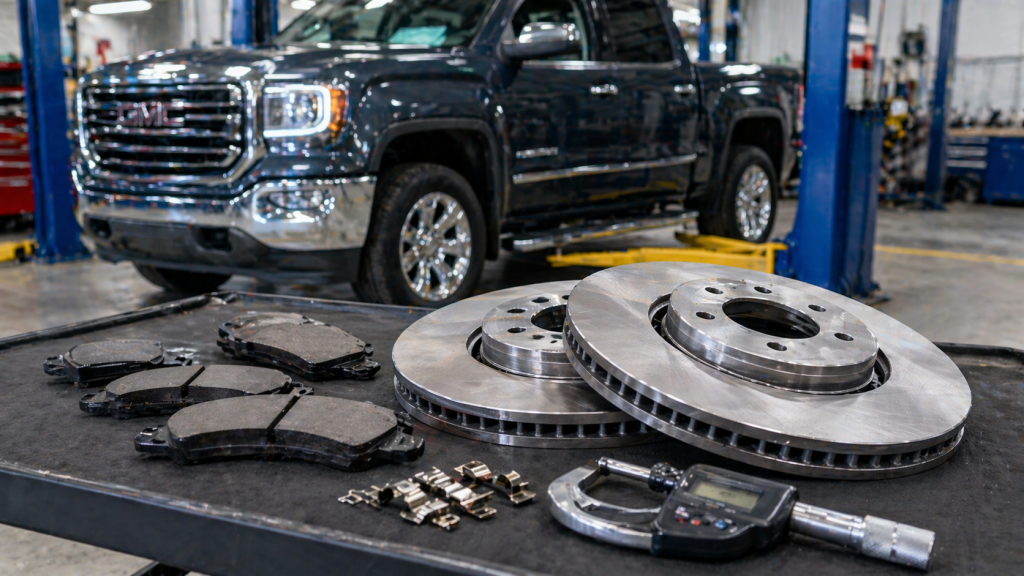
If rotors fall below minimum thickness (stamped on the rotor itself), they can’t safely absorb heat and become prone to fade and cracking. Ross Downing GMC technicians measure this during brake inspections using precision tools.

In mild cases, rotors can be resurfaced if they remain above minimum thickness and within run-out specifications. Heavily grooved or cracked rotors require replacement with GM Genuine or quality ACDelco components.

Performance brake pads should be paired with new rotors for the best results, and heavy-duty users often prefer drilled and slotted rotors to dissipate heat faster. Properly matched pads and rotors protect each other—good pads preserve rotor life, and healthy rotors allow pads to wear evenly and quietly.
Answering “Why Are My Brakes Making Noise?” for GMC Owners

Why are my brakes making noise? Brake noise is sound created by vibration between pads, rotors, and hardware when friction and contact surfaces aren’t working in harmony.

Common noise types and their causes:

Noise Type

Likely Cause

Light squeal at low speed

Wear indicator contact or dust accumulation

Loud screech

Severely worn pads, metal contact

Grinding

Backing plate contacting rotor

Clunking

Loose hardware, worn caliper slides

Chirping when backing up

Normal pad settling, minor glazing

Pad material, rotor surface condition, lack of lubricant on slide points, and worn hardware each contribute to different sounds on GMC Sierra, Yukon, Terrain, and Acadia models.

Some new pad installations may generate mild noise during the initial bedding-in period while pad and rotor surfaces mate—this should be temporary. Brake pads with premium shims, slots, and chamfers help to diminish noise, vibration, and braking harshness, enhancing overall braking performance.

Chronic or worsening noise—especially grinding or new sounds during towing—signals the system needs professional inspection. Ross Downing GMC uses correct GM-recommended lubricants, shims, and hardware kits to minimize noise after service.

Note when noise occurs (cold vs. hot brakes, light vs. hard braking, turning vs. straight) and share that detail with service advisors to speed diagnosis.

Practical Brake Safety Checklist Before You Hit the Road

Use this checklist a week or more before summer departure to ensure your GMC Sierra or SUV is ready for the road.

Owner-level checks:

  • Listen for squeal or grinding during normal driving
  • Note any pulling to one side when braking
  • Feel for vibration at highway speeds
  • Check dashboard for brake or ABS warning lights

Visual inspection (without removing wheels):

  • Look through wheel spokes for pad thickness and rotor surface condition
  • Note: Professional inspection is more accurate than visual checks alone

Review maintenance records:

  • When were pads, rotors, and brake fluid last serviced?
  • If brake fluid is more than 2–3 years old, consider flushing
  • If pads are near 40,000–60,000 miles on a regularly used vehicle, schedule inspection

For towing or heavy use:

  • Shorten service intervals, especially in Louisiana’s hot, humid summers
  • Schedule professional inspection for any vehicle crossing multiple states or towing
  • Use online tools to find and search for the correct GMC Sierra brake pads, and check estimated ship times to ensure your parts arrive before your trip.

Brake pads are one part of overall road-trip safety. Combine brake checks with tires, alignment, and fluid inspections in a single pre-trip service visit.

Why Choose Ross Downing GMC for Sierra Brake Pad Service in Hammond, LA

Ross Downing GMC serves GMC owners from Hammond, Baton Rouge, Covington, and New Orleans with brake expertise you can trust.

We use GM Genuine and ACDelco Gold brake pads and rotors matched to each GMC Sierra, Yukon, Terrain, and Acadia by VIN for proper fit and performance. Our factory-trained GMC technicians understand how towing packages, wheel sizes, and trim levels affect brake requirements across Sierra 1500, Sierra HD, and Yukon models.

We believe in transparent inspections—showing you pad thickness, rotor condition, and any hardware issues before recommending repairs. You’ll understand the difference between routine maintenance and urgent safety needs.

Convenient options include online service scheduling, comfortable waiting areas, and shuttle service for brake work that takes longer than a quick inspection.

Ross Downing GMC also offers caliper covers and other accessories to help you customize the appearance of your GMC Sierra, allowing you to enhance style while maintaining reliable brake performance.

Schedule your brake inspection at Ross Downing GMC before your next summer road trip. Combine brake service with an oil change, tire rotation, and multi-point inspection for complete pre-trip peace of mind. Move forward with confidence—because reliable brakes mean you’re ready for whatever the road brings.

Schedule Service Online | Call our Hammond service center today - 985-222-2386
Posted in:

Related Posts

GMC Maintenance Schedule for Tire and Wheel Service

A GMC maintenance schedule should include tire rotation, pressure checks, tread inspection, and attention to wheel service warning signs. GMC lists tire rotation near the 7,500 mile mark for many current gas models. However, the Owner’s Manual remains the final source for each truck or SUV. Mileage gives owners a useful service point. Still, tire wear can appear sooner after towing, heavy cargo, pothole impacts, or pressure loss. Therefore, tread patterns and steering changes deserve attention between scheduled visits. When Tire Rotation Belongs in the Schedule When should tire rotation appear in a GMC maintenance schedule? GMC lists tire rotation every 7,500 miles. However, the exact interval and pattern come from the Owner’s Manual. Front tires handle steering and a large share of braking force. Rear tires may carry more drive force, cargo weight, or trailer tongue weight. Therefore, each wheel position can wear tread at a different rate. more Rotation moves tires between approved positions. This step spreads normal position wear across the set. As a result, owners may gain more even tread depth across all four tires. Still, the 7,500 mile mark is not a reason to ignore visible wear. A tire with rapid edge wear needs inspection first. Rotation cannot restore tread that has already worn away. What Rotation Changes Across the Tire Set Tires meet different forces at each corner. Steering scrubs the front tread during turns. Braking also shifts weight toward the front axle. By contrast, rear tires may face added drive force. Sierra and Canyon models can also place bed cargo over the rear axle. Trailer tongue weight adds more downward force behind the cab. Terrain, Acadia, Yukon, and Yukon XL models carry passenger and luggage weight across the cabin. Therefore, rear tire load can rise during family travel. The approved rotation pattern can change with drivetrain, wheel size, tire design, and fitment. Some setups cannot move every tire to every position. Therefore, owners should follow the pattern listed for their exact model. Rotation also creates a useful inspection point. A technician can measure tread depth at several places across each tire. Those readings can reveal pressure issues, wheel angle concerns, or damage. When Wheel Angle Service or Balancing Needs Attention Rotation, balancing, and wheel angle service serve separate purposes. Rotation changes tire positions. Balancing corrects uneven weight around a wheel and tire assembly. Wheel angle service sets how the wheels meet the road. Certain warning signs deserve service before the next mileage point: The steering wheel shakes at highway speed. The GMC pulls left or right on a level road. The steering wheel sits off center while traveling straight. One tread edge wears faster than the opposite edge. A tire loses pressure more than the others. Highway vibration can come from balance, tire damage, wheel damage, or suspension wear. Therefore, diagnosis should come before repair. A pull or off center steering wheel can point toward wheel angle trouble. However, road slope, tire pressure, and tire damage can create similar symptoms. Uneven tread also needs more than rotation. A technician should identify the source before moving the tire. Otherwise, the same wear pattern may continue in its new position. How Towing and Cargo Change Tire Checks Towing places trailer tongue weight on the tow vehicle. Passengers, bed cargo, hitch hardware, and accessories add more weight. Therefore, every item uses part of the available payload. Rear tires on a Sierra or Canyon may carry a larger share during towing. Added load can raise heat within the tire. Low pressure can raise heat further because the sidewall flexes more. Owners should check cold tire pressure before towing. The correct number appears on the Tire and Loading Information Label or in the Owner’s Manual. The sidewall maximum is not the normal pressure target. Tire load ratings also matter. Replacement tires must meet the size and load requirements for the truck. A tire with the wrong rating may not support the intended load. Additionally, inspect the tread and sidewalls before long trips. Look for cuts, bulges, embedded objects, and uneven wear. Check the spare when the truck carries one. How Truck and SUV Tire Wear Can Differ GMC trucks and SUVs may share a similar rotation interval. However, their daily loads can stress different tire positions. Sierra and Canyon owners may carry tools, building materials, or trailer weight. Off pavement travel can also expose tires to sharp rocks and deep ruts. Therefore, sidewall and tread inspections deserve added attention. Terrain and Acadia owners may carry passengers and luggage across longer highway trips. Yukon and Yukon XL models can add three row passenger weight plus cargo. As a result, rear tire pressure and tread should receive close review before travel. Road surfaces also matter. Potholes can damage a tire, wheel, or wheel angle setting. Curb impacts can bend a wheel or mark a sidewall. Still, model name alone does not predict wear. Tire pressure, load, road surface, and service timing shape each tire set. Owners should compare all four tread readings during every visit. What Owners Should Check Before Service A tire or wheel visit should provide more information than a rotation receipt. Owners should ask for tread measurements and visible wear notes. They should also review pressure and wheel concerns. Before approving service, request these checks: Measure tread depth across the inner, center, and outer sections. Set cold pressure to the label specification. Inspect each sidewall for cuts, bulges, and impact marks. Check wheels for bends, cracks, or visible damage. Review steering pull, vibration, and off center steering concerns. Tighten wheel fasteners to the listed torque value. Tire replacement may become necessary when tread reaches legal or manufacturer limits. Damage, age, repeated pressure loss, or internal injury may also require replacement. Ross Downing GMC can review tire wear across Sierra, Canyon, Terrain, Acadia, Yukon, and Yukon XL models. A service visit can also identify wheel or suspension concerns before new tires receive the same wear. Routine rotation supports more even tread across the set. However, warning signs should not wait for the next scheduled visit. Early inspection protects the tire set and gives owners clearer information about the repair needed.

GMC Maintenance Importance: Dealership vs Independent Service

GMC maintenance importance goes beyond keeping a vehicle running. It determines what the vehicle is worth when it is time to trade it in, sell it privately, or pass it on. The dealership service vs independent shop debate is part of that conversation, and for GMC owners focused on long-term resale performance, the difference between the two service paths carries real financial weight. Understanding both sides of that decision is how an owner protects the investment from the first oil change to the final sale. Why Service Documentation Protects Resale Value as Much as the Service Itself A GMC that has received every recommended service but carries no documentation faces the same buyer skepticism as one that skipped service entirely. Buyers and appraisers cannot inspect what they cannot verify, and unverified maintenance history translates directly into a lower offer. Buyers discount vehicles without service records by 15 to 40 percent depending on the vehicle's age and mileage. Nearly half of private buyers will not seriously consider a purchase without some form of documented service history. Documented one-owner vehicles with complete records sell approximately five days faster and at significantly higher transaction values than equivalent vehicles without records. Those figures reflect the fact that documentation is not just proof of service. It is an independent asset that a buyer or appraiser weighs before settling on a number. more The practical takeaway for any GMC owner is that every service visit produces two things of value: the mechanical benefit of the service itself and a record that an outside party can use to confirm the vehicle was maintained. Losing either one reduces the vehicle's market position at the point of sale. How the GMC Oil Life Monitor Guides Timely Service The GMC Oil Life Monitor is not a mileage counter. It is an algorithm-based system that monitors driving conditions, engine temperature, load, and terrain to calculate how much useful life remains in the current oil. Two GMC owners driving the same model can receive their first service alert at different mileage points depending on how and where they drive. The OLM displays remaining oil life as a percentage in the Driver Information Center. When that figure reaches 15 percent, the system activates a service alert. GMC recommends completing the oil change within two fill-ups or 600 miles of the first alert. Owners who reset the indicator without completing the service, or who delay service past that window, allow the oil to degrade beyond the point the algorithm accounts for. That degradation affects engine condition in ways that appear during a pre-purchase inspection at trade-in time. Prompt OLM compliance does two things simultaneously. It keeps the engine in the condition that supports the vehicle's rated reliability and longevity, and it creates a natural service rhythm that produces regular dated records. An owner who responds to every OLM alert at the recommended interval builds a service history that tells a consistent, verifiable story to any buyer or appraiser who reviews it. The GMC Scheduled Maintenance Intervals and What Each One Protects Following the full GMC maintenance schedule across the ownership cycle protects different components at each interval. Each service item maps to a specific system that a buyer evaluates or that an appraiser prices at trade-in. The following intervals and their resale protection outcomes apply to current GMC models under standard driving conditions: Oil and filter change every 7,500 miles, or as indicated by the OLM, protects engine internals from wear deposits and sludge that reduce compression and increase oil consumption, both of which appear in a pre-purchase inspection and reduce appraised value. Tire rotation every 7,500 miles protects even tread wear across all four tires. Uneven wear from skipped rotations requires early tire replacement that a buyer will price into a lower offer or request as a condition of sale. Cabin air filter replacement at 30,000 miles protects HVAC system performance and interior air quality. A clogged cabin filter produces noticeable airflow reduction that buyers identify during a test drive. Brake fluid replacement at 45,000 miles protects the hydraulic braking system from moisture contamination that degrades stopping performance and corrodes brake components over time. Spark plug replacement at 100,000 miles protects engine combustion efficiency and fuel economy. Worn plugs produce rough idle and reduced acceleration that a buyer experiences on a test drive. Transmission fluid and coolant service at 150,000 miles protects drivetrain longevity across high-mileage ownership. A vehicle with documented fluid services at these intervals communicates responsible long-term ownership to any buyer considering a high-mileage purchase. Each completed interval adds a dated record to the vehicle's history and removes a line item from a buyer's negotiation argument. Why Dealership Service Records Carry More Weight Than Independent Shop Invoices The dealership service vs independent shop comparison is not only about technician quality or parts sourcing. It is about what a service record proves and how that proof holds up at the point of sale. When a GMC owner services at a GMC Certified Service center, every visit is logged against the vehicle's VIN in GM's service system. A future buyer, a trade-in appraiser, or a certified pre-owned evaluator can access that history independently and confirm that specific services were completed on specific dates at specific mileage points. That verification does not depend on the owner producing a paper receipt. The record exists in the system and survives even if the owner loses their copy. An independent shop invoice, regardless of the quality of the work performed, cannot be verified the same way. A buyer or appraiser receives a paper record with no independent confirmation pathway. That gap introduces doubt about whether the service was completed as described, and doubt reduces offers. GMC Certified Service technicians also use OEM parts that match the vehicle's engineering specifications, hold manufacturer certifications specific to GMC models, and have access to technical service bulletins and open recall information that independent shops cannot access through the same channels. Each of those factors supports both the mechanical integrity of the service and the documentary value of the record it produces. Louisiana Driving Conditions and Your Maintenance Timeline Louisiana's driving environment qualifies many GMC owners for a severe-service classification that compresses the standard maintenance intervals. Owners who follow the standard 7,500-mile schedule without accounting for severe-service conditions may be allowing more component wear between services than the maintenance record reflects. The following driving patterns and conditions trigger a severe-service classification for Louisiana GMC owners: Frequent trips under five miles, which are common in dense urban areas including Baton Rouge, Metairie, and Shreveport, prevent the engine from reaching full operating temperature and cause accelerated oil contamination from moisture and fuel dilution. Stop-and-go traffic patterns on the Baton Rouge interstate corridor and the Greater New Orleans metro generate sustained high-load, low-speed engine operation that degrades oil faster than highway driving at the same mileage. Sustained high ambient temperatures above 90 degrees, which Louisiana experiences across six or more months of the year, accelerate oil breakdown and increase the rate of rubber seal and hose degradation throughout the engine bay. Driving on unpaved roads or gravel surfaces, which are common in rural parishes and agricultural areas across the state, increases air filter and engine contamination from elevated dust and particulate exposure. Louisiana GMC owners whose driving patterns include two or more of these conditions should follow the severe-service interval of approximately 5,000 miles between oil changes rather than the standard 7,500-mile schedule. Aligning service timing to actual driving conditions rather than the standard calendar keeps the vehicle's mechanical condition consistent with what the maintenance record claims and protects the resale position that consistent service history supports.

GMC Battery Warning Signs to Know Before Summer Travel

GMC battery warning signs rarely appear all at once. They build gradually, and the early ones are easy to dismiss as minor inconveniences. Summer heat accelerates that process by stressing the battery chemistry at a faster rate than most drivers expect. Catching those signs before peak travel season keeps a dead battery from ending a trip in a parking lot three hours from home. Why Summer Heat Damages Batteries Faster Than Cold Most drivers associate battery failure with winter cold. Cold weather does reduce battery output, but summer heat causes a different and more permanent type of damage. A lead-acid battery produces power through a chemical reaction between lead plates and a liquid electrolyte solution. High ambient temperatures cause that electrolyte to evaporate. As the fluid level drops, the lead plates become exposed to air inside the battery case. Exposed plates corrode and lose their ability to hold a charge. That damage does not reverse when temperatures drop. It accumulates with every hot day and compounds through the summer months. more Under-hood temperatures in Louisiana can reach 20 to 30 degrees above the outdoor ambient temperature. A 95-degree afternoon produces under-hood conditions well above 115 degrees around the battery. At those temperatures, electrolyte evaporation accelerates sharply and plate degradation moves faster than the national average battery lifespan figures account for. A battery that might last four years in a cooler climate can reach its failure threshold in two to three years under sustained Louisiana summer conditions. The Warning Signs That Appear Before a Battery Fails Battery failure is not usually sudden. It follows a progression, and the earlier stages give a driver time to act before the vehicle leaves them stranded. Understanding that progression changes how a driver reads what they see and hear. A single dim light or one slow crank is easy to ignore. Recognizing it as an early-stage signal changes the response. The following warning signs are ordered from earliest to most advanced: Electrical accessories including power windows, heated seats, and infotainment systems respond more slowly or require a second attempt. This reflects a battery that is losing output capacity before the drop becomes severe enough to affect the starter motor. Radio station presets and clock settings reset after the vehicle sits overnight. This indicates the battery is no longer holding enough charge to maintain the vehicle's memory systems during extended off periods. Headlights appear dim at idle and brighten noticeably when the engine revs. This shows the battery is not holding sufficient charge and the vehicle is relying heavily on the alternator to supplement power at low engine speeds. The engine cranks slowly or hesitates before starting. At this stage, the battery is delivering noticeably reduced amperage to the starter motor and the failure window is close. A sulfur or rotten egg odor near the battery indicates the electrolyte is overheating and producing hydrogen sulfide gas. This is a physical battery emergency requiring prompt inspection. A visibly swollen or bloated battery case means internal heat has built up to the point of physical deformation. This battery needs immediate replacement and should not be driven on. Any sign from the third stage onward warrants a same-week service appointment. Signs from the fifth and sixth stages require immediate attention. How Modern GMC Electrical Systems Raise the Stakes An older vehicle's battery supported a relatively simple electrical load. Modern GMC vehicles carry a far more demanding set of systems that depend on consistent voltage to function properly. The Sierra, Yukon, Acadia, and Terrain all operate Forward Collision Alert, Lane Keep Assist, Automatic Emergency Braking, and Adaptive Cruise Control through control modules that require stable battery voltage to initialize and maintain function. When battery voltage drops below the system threshold, those modules can shut down, generate fault codes, or produce warning lights that do not reflect an actual system failure but rather a power supply issue. Beyond safety systems, the infotainment stack, digital instrument cluster, and fuel management system also draw from the battery at startup and during low-speed operation. A battery that tests at marginal capacity may start the vehicle consistently while quietly degrading the performance of these systems in ways a driver does not immediately connect to a battery problem. A flickering display, a navigation system that takes longer to initialize, or an engine that idles rougher than usual can all trace back to a battery operating below its rated output. Battery Warning Light or Alternator Warning: How Do You Read the Difference? The battery warning light on a GMC instrument cluster activates when the charging system voltage drops below approximately 12.5 volts. That light indicates a charging system problem. It does not always mean the battery itself has failed. The alternator charges the battery while the engine runs. If the alternator fails, the battery drains even while driving and the warning light appears on a battery that was otherwise healthy. Distinguishing between the two failure sources changes the correct repair. The following signal patterns help identify which component is responsible: If the warning light appears and the vehicle starts reliably from a full charge but dims its electrical accessories progressively while driving, the alternator is likely the source. The battery discharged because it stopped receiving a charge, not because it failed internally. If the warning light appears and the vehicle struggles to start after sitting overnight, electrical accessories work normally while driving, and the problem improves immediately after a jump start, the battery is the more likely failure point. If the warning light appears alongside multiple unrelated warning lights, a fault code for a control module, or a sudden loss of power to infotainment systems while driving, a failing alternator should be the first item tested rather than the battery. A GMC Certified Service battery and charging system test evaluates both components together, which is the only way to confirm which one is causing the warning before replacing the wrong part. When to Schedule a Battery Check Before Summer Travel The most reliable pre-travel battery check uses two inputs: the vehicle's own Driver Information Center and a physical inspection under the hood. The DIC on current GMC models displays battery voltage and charging system status in the vehicle information menu. A healthy battery at rest reads between 12.4 and 12.7 volts with the engine off. A reading below 12.2 volts at rest after a full overnight indicates a battery that is not holding a full charge. A reading at or below 12.0 volts is a battery that needs professional testing before any extended drive. Physical inspection adds what the voltage reading cannot show. White or blue-green powdery buildup on the battery terminals indicates corrosion that restricts the connection between the battery and the vehicle's electrical system. That corrosion can cause symptoms that resemble a failing battery even when the battery itself still holds adequate charge. A loose hold-down bracket allows the battery case to vibrate, which accelerates internal plate damage over time. For Louisiana drivers, a battery that is three years old or older going into summer deserves a professional load test regardless of how the vehicle starts. A load test measures how well the battery holds voltage under the electrical demands of startup rather than just its resting charge level. A battery can pass a resting voltage check and still fail a load test. Scheduling that test before the Fourth of July travel window, before school year driving patterns resume in August, or before any planned road trip gives a driver a confirmed answer before the stakes are high.