


Blog / Hammond GMC Service

GMC Service Appointment Process When Repairs Take Longer

GMC Service Appointment Process When Repairs Take Longer

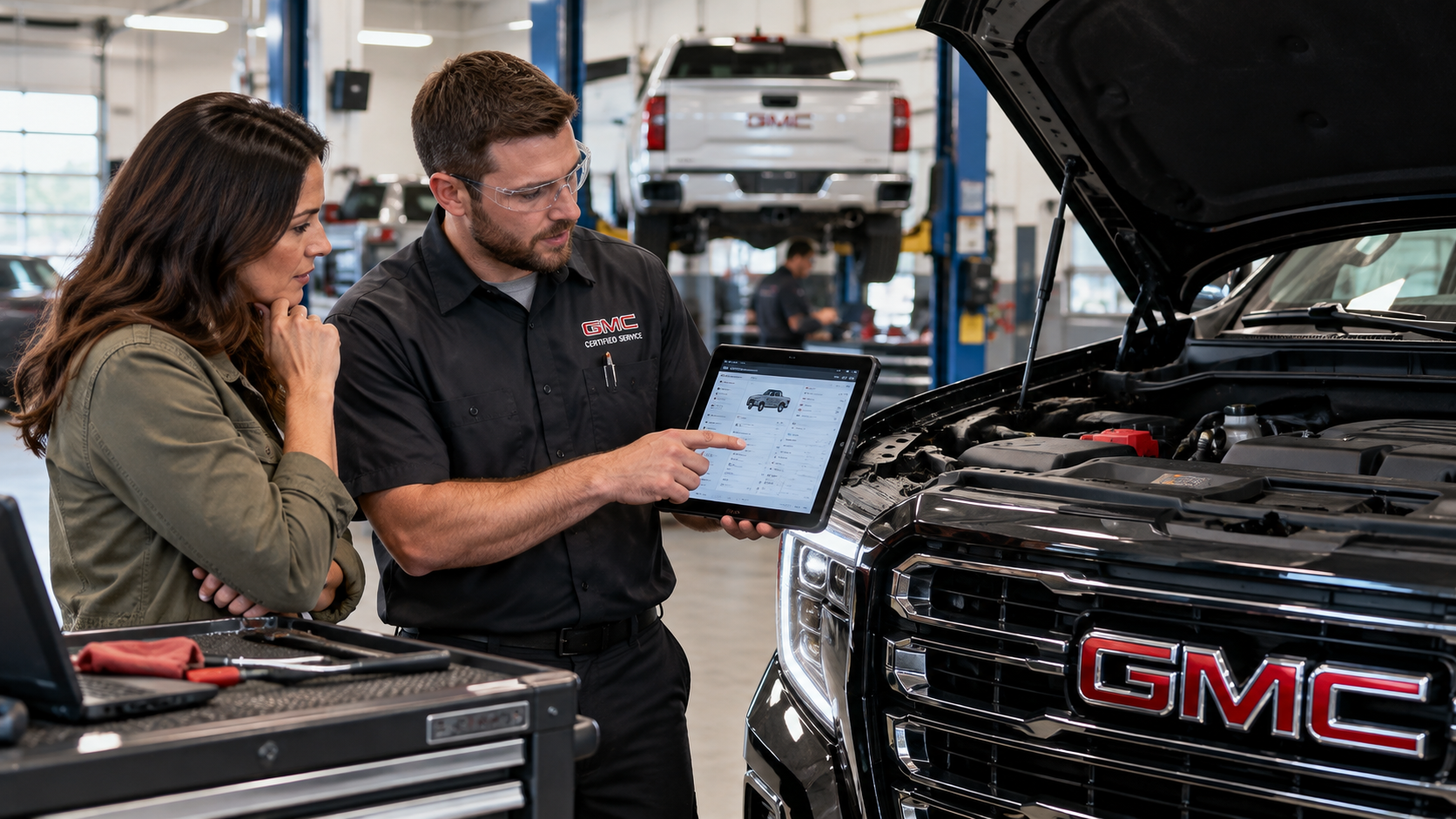
A GMC service appointment process can change after diagnosis uncovers more than the original concern suggested. Therefore, that can extend the repair timeline even when the visit started with a clear estimate. A longer stay does not always point to one cause. Additionally, diagnosis, repair findings, parts availability, warranty review, and customer approval can each add time. Therefore, a useful update should explain which step is holding the vehicle and what needs to happen next.

Why Can a Repair Take Longer After Diagnosis?

A repair can take longer after diagnosis because the technician may uncover work that was not confirmed at check in. The first appointment usually begins with a symptom, warning light, noise, leak, or other concern. However, that symptom does not always reveal the exact repair on its own.

Additionally, the technician may inspect components, run tests, review fault codes, or reproduce the issue. Once the cause is identified, the repair plan can become more specific. As a result, that may change the parts list, labor time, or expected completion date.

Several common reasons can extend the timeline after the first estimate:

  • Diagnosis may reveal another damaged component. That part may need repair before the original issue can be resolved.
  • The correct GM Genuine Part or ACDelco part may need to be ordered after the repair is confirmed.
  • Warranty review may require documentation or dealer diagnosis before the next repair step can move forward.

Because each repair begins with different symptoms, the first estimate may be preliminary. Therefore, the most useful question is whether diagnosis is complete and what the technician confirmed.

What Happens When the Technician Finds More

Additional findings can change the repair plan after the first inspection. A good service process should explain what changed and why the added work is needed. It should also explain the revised cost before required approval.

For instance, a warning light may lead to testing that identifies a failed sensor. Further inspection might also reveal damaged wiring connected to the same fault. In that case, replacing only the sensor would leave part of the problem unresolved.

Therefore, the service advisor should explain the new finding in plain language. That explanation should connect the diagnosis to the proposed repair. It should also separate required work from optional maintenance when both appear on the same estimate.

Additionally, customer authorization can add time. The technician may pause while the advisor waits for approval on added parts or labor. Therefore, replying to a revised estimate quickly can keep the repair moving once the diagnosis is complete.

If the repair plan changes, ask what was found after the first estimate. Then ask whether the added work must be completed now or can be scheduled later. Clear answers make the next decision easier.

Parts Availability Can Change the Timeline

A confirmed diagnosis does not mean the required part is already in stock. The repair may pause while the dealership locates and orders the correct component.

Parts delays can happen for several reasons. For this reason, the dealership may need a specific part number tied to the vehicle. A warehouse may have limited stock. Another repair may require a component that is temporarily backordered.

However, the useful distinction is whether the delay comes from diagnosis or parts. If diagnosis is complete, the advisor should be able to explain which part is needed. The advisor can also confirm whether the part has been ordered and whether an estimated arrival date is available.

Consequently, that information gives the customer a clearer view of the next step. Instead of hearing only that the vehicle is waiting, the customer knows what is pending. Therefore, parts status should become part of any update once the repair has been confirmed.

What Should a Service Update Include?

A useful service update should identify the confirmed diagnosis, current repair status, parts status, required approvals, and revised timing. It should give the customer enough information to plan around the delay.

When you speak with the advisor, these questions clarify the current stage:

  • Has the technician completed the diagnosis? What repair has been confirmed?
  • Is the vehicle waiting for approval, a part, warranty review, or active repair work?
  • Has the required part been ordered, and is there an estimated arrival or completion date?

However, the advisor may not always have an exact completion time. Additionally, parts shipment changes or added findings can shift the schedule again. The update should still identify what is known and what remains pending.

For this reason, the next update point matters too. Ask when the service team expects to know more. A clear follow up point can reduce uncertainty when the final completion date is still open.

Transportation and Warranty Questions

Warranty coverage can change the repair path. Dealer diagnosis may be needed before coverage is confirmed.

The service team may document the concern and verify the failed component. It can then confirm whether the repair falls within coverage.

If the repair will keep the vehicle at the dealership longer, ask about transportation options. A loaner, rental arrangement, shuttle, or other support may be available during certain repairs. Availability can vary by dealer, repair type, and warranty status.

Do not assume a loaner is included with every repair. Instead, ask what options are available for the current visit. That keeps the discussion tied to the repair in front of you.

Therefore, warranty questions should stay specific. Ask whether the diagnosis is complete and whether coverage has been confirmed. Then ask whether any customer paid work is separate. Clear separation between covered and customer paid work can make a revised estimate easier to review.

What to Ask Before the Next Update

The GMC service appointment process is easier to follow when each delay is tied to a specific step. Before ending a call, make sure you know what has been confirmed. Also ask what still needs to happen.

First, start with the diagnosis. Ask whether the source of the concern has been identified. Then confirm whether the repair is waiting for approval, parts, warranty review, or shop time.

Additionally, ask whether the expected completion date has changed. If the team cannot provide a final date yet, ask when another update should be available. That gives you a clear point for the next conversation.

A repair that takes longer than expected can be frustrating, but the timeline should still make sense. Ross Downing GMC Certified Service can explain the current repair stage, parts status, and next step during a service visit. You can also schedule a service appointment online when your GMC needs inspection or repair.

Posted in:

Related Posts

GMC Maintenance Schedule for Transmission Fluid Service

GMC Maintenance Schedule for Transmission Fluid Service

The GMC maintenance schedule gives drivers a clear place to check transmission fluid timing before warning signs appear. Transmission fluid works inside the gearbox every time the vehicle moves, shifts, or holds a selected gear. Therefore, fluid care belongs beside other routine maintenance items, not only emergency repairs. Knowing its role makes service timing and warning signs easier to judge. What Transmission Fluid Does Inside a GMC Automatic transmission fluid handles several jobs inside the transmission. It lubricates moving parts, transfers hydraulic pressure, and carries heat away from internal components. Because those jobs happen together, fluid quality matters during every shift. Hydraulic pressure controls clutches and other internal parts that change gear ratios. The fluid must move through narrow passages while maintaining the correct properties. Therefore, contamination or heat damage can interfere with clean hydraulic operation. The fluid also reduces friction between moving parts. At the same time, it carries heat toward areas where that heat can leave the transmission. This matters because repeated heat cycles can change the fluid during its service life. What does transmission fluid do inside your GMC? It supports lubrication, hydraulic pressure, cooling, and gear changes inside the transmission. Those jobs explain why the correct fluid matters for each GMC model. Different transmissions can require different approved fluids. Therefore, the Owner's Manual should guide fluid type instead of a universal replacement choice. Signs Your Transmission Needs Inspection A scheduled fluid service and a diagnostic inspection answer different needs. Routine service follows the GMC maintenance schedule for the exact vehicle. By contrast, new shifting concerns can justify inspection before the next planned service date. Transmission concerns can show up through changes in how the vehicle engages or shifts. They can also appear through odor, noise, or fluid loss. Therefore, a new symptom deserves attention even when the next service interval is still far away. Watch for signs such as these: Hard or abrupt shifts: A noticeable change in shift quality can point to a fluid, control, or mechanical concern. Slow engagement or slipping: Delayed movement after selecting Drive or Reverse can justify a closer transmission inspection. Burning odor, unusual noise, or fluid leaks: These signs can indicate heat, fluid loss, or another internal concern. Hard shifting does not prove that the transmission needs major repair. Several causes can produce similar symptoms. Therefore, diagnosis should come before assumptions about the repair itself. A transmission temperature warning deserves immediate attention. Excessive heat can damage fluid and internal parts. If a warning appears, follow the vehicle guidance before continuing the trip. When Transmission Fluid Service Belongs on the Schedule When should GMC transmission fluid be serviced? The vehicle specific GMC maintenance schedule provides the correct timing for that model and transmission. GMC directs owners to the Owner's Manual because service timing can vary across vehicles. Generic mileage recommendations can create confusion. A Sierra used for frequent towing may not follow the same maintenance pattern as an Acadia. Therefore, one mileage number should not replace the schedule written for the vehicle. The Owner's Manual also identifies the approved fluid specification. That matters because transmission designs can use different fluid formulations. Using the specified fluid keeps the service matched to the hardware inside the transmission. Service history gives the next visit useful context. Keep records of fluid replacement, repairs, warning messages, and unusual shifting concerns. In addition, note whether the vehicle spends substantial time towing or carrying heavy loads. If the service history is incomplete, a technician can review the vehicle before recommending the next step. The goal is to base maintenance on the exact GMC, its transmission, and its documented history. How Towing Changes Transmission Stress Towing asks the transmission to move more weight during acceleration, climbing, and speed changes. That added load can produce more shifting and more heat. Therefore, towing deserves a separate maintenance discussion for Sierra owners. Tow Haul Mode changes transmission operation during trailer or heavy load driving. On current Sierra models, the mode raises shift points and changes downshift timing. Those changes help the transmission manage the added load across changing road grades. Heat remains one of the central concerns during repeated towing. Transmission fluid carries heat while also lubricating and supplying hydraulic pressure. Consequently, sustained heavy work can place more demand on the fluid. Before frequent towing, review several items with the GMC maintenance schedule and Owner's Manual: Fluid service history: Confirm when the transmission fluid was last replaced and whether the next interval is approaching. Warning messages and temperature: Do not ignore transmission temperature alerts or new shift changes during towing. Trailer and load details: Keep towing weight and driving pattern in mind when discussing service timing with a technician. Why does towing place more demand on transmission fluid? The transmission works against greater load while managing more heat and shift activity. That combination can justify closer attention to the maintenance schedule. What Happens During Transmission Fluid Service Transmission fluid service involves more than pouring new fluid into the vehicle. The exact procedure depends on the transmission and the service instructions for that GMC. A service visit can include draining old fluid and refilling with the approved specification. Some transmissions also call for filter, gasket, or related service work at certain intervals. Therefore, the procedure should follow the exact service information for the vehicle. Technicians can also inspect for leaks and review shifting concerns reported by the driver. They may check operation after the fluid service to confirm normal engagement and shifting. If another concern appears, diagnosis can continue separately from routine maintenance. What happens during transmission fluid service? The service replaces specified fluid and includes the related checks required for that transmission. The technician then verifies operation and looks for concerns that need separate diagnosis. Ross Downing GMC can review the GMC maintenance schedule for your model before service begins. Bring any service records, warning information, and towing details you have. That gives the service team clearer context for the transmission in your vehicle. Transmission care works best when routine service and new symptoms stay separate in your planning. Follow the correct schedule, use the specified fluid, and address unusual shifting or heat warnings promptly. Those steps give you a clearer path for maintaining the transmission before small concerns become harder to diagnose.

GMC Maintenance Schedule for Tire and Wheel Service

A GMC maintenance schedule should include tire rotation, pressure checks, tread inspection, and attention to wheel service warning signs. GMC lists tire rotation near the 7,500 mile mark for many current gas models. However, the Owner’s Manual remains the final source for each truck or SUV. Mileage gives owners a useful service point. Still, tire wear can appear sooner after towing, heavy cargo, pothole impacts, or pressure loss. Therefore, tread patterns and steering changes deserve attention between scheduled visits. When Tire Rotation Belongs in the Schedule When should tire rotation appear in a GMC maintenance schedule? GMC lists tire rotation every 7,500 miles. However, the exact interval and pattern come from the Owner’s Manual. Front tires handle steering and a large share of braking force. Rear tires may carry more drive force, cargo weight, or trailer tongue weight. Therefore, each wheel position can wear tread at a different rate. more Rotation moves tires between approved positions. This step spreads normal position wear across the set. As a result, owners may gain more even tread depth across all four tires. Still, the 7,500 mile mark is not a reason to ignore visible wear. A tire with rapid edge wear needs inspection first. Rotation cannot restore tread that has already worn away. What Rotation Changes Across the Tire Set Tires meet different forces at each corner. Steering scrubs the front tread during turns. Braking also shifts weight toward the front axle. By contrast, rear tires may face added drive force. Sierra and Canyon models can also place bed cargo over the rear axle. Trailer tongue weight adds more downward force behind the cab. Terrain, Acadia, Yukon, and Yukon XL models carry passenger and luggage weight across the cabin. Therefore, rear tire load can rise during family travel. The approved rotation pattern can change with drivetrain, wheel size, tire design, and fitment. Some setups cannot move every tire to every position. Therefore, owners should follow the pattern listed for their exact model. Rotation also creates a useful inspection point. A technician can measure tread depth at several places across each tire. Those readings can reveal pressure issues, wheel angle concerns, or damage. When Wheel Angle Service or Balancing Needs Attention Rotation, balancing, and wheel angle service serve separate purposes. Rotation changes tire positions. Balancing corrects uneven weight around a wheel and tire assembly. Wheel angle service sets how the wheels meet the road. Certain warning signs deserve service before the next mileage point: The steering wheel shakes at highway speed. The GMC pulls left or right on a level road. The steering wheel sits off center while traveling straight. One tread edge wears faster than the opposite edge. A tire loses pressure more than the others. Highway vibration can come from balance, tire damage, wheel damage, or suspension wear. Therefore, diagnosis should come before repair. A pull or off center steering wheel can point toward wheel angle trouble. However, road slope, tire pressure, and tire damage can create similar symptoms. Uneven tread also needs more than rotation. A technician should identify the source before moving the tire. Otherwise, the same wear pattern may continue in its new position. How Towing and Cargo Change Tire Checks Towing places trailer tongue weight on the tow vehicle. Passengers, bed cargo, hitch hardware, and accessories add more weight. Therefore, every item uses part of the available payload. Rear tires on a Sierra or Canyon may carry a larger share during towing. Added load can raise heat within the tire. Low pressure can raise heat further because the sidewall flexes more. Owners should check cold tire pressure before towing. The correct number appears on the Tire and Loading Information Label or in the Owner’s Manual. The sidewall maximum is not the normal pressure target. Tire load ratings also matter. Replacement tires must meet the size and load requirements for the truck. A tire with the wrong rating may not support the intended load. Additionally, inspect the tread and sidewalls before long trips. Look for cuts, bulges, embedded objects, and uneven wear. Check the spare when the truck carries one. How Truck and SUV Tire Wear Can Differ GMC trucks and SUVs may share a similar rotation interval. However, their daily loads can stress different tire positions. Sierra and Canyon owners may carry tools, building materials, or trailer weight. Off pavement travel can also expose tires to sharp rocks and deep ruts. Therefore, sidewall and tread inspections deserve added attention. Terrain and Acadia owners may carry passengers and luggage across longer highway trips. Yukon and Yukon XL models can add three row passenger weight plus cargo. As a result, rear tire pressure and tread should receive close review before travel. Road surfaces also matter. Potholes can damage a tire, wheel, or wheel angle setting. Curb impacts can bend a wheel or mark a sidewall. Still, model name alone does not predict wear. Tire pressure, load, road surface, and service timing shape each tire set. Owners should compare all four tread readings during every visit. What Owners Should Check Before Service A tire or wheel visit should provide more information than a rotation receipt. Owners should ask for tread measurements and visible wear notes. They should also review pressure and wheel concerns. Before approving service, request these checks: Measure tread depth across the inner, center, and outer sections. Set cold pressure to the label specification. Inspect each sidewall for cuts, bulges, and impact marks. Check wheels for bends, cracks, or visible damage. Review steering pull, vibration, and off center steering concerns. Tighten wheel fasteners to the listed torque value. Tire replacement may become necessary when tread reaches legal or manufacturer limits. Damage, age, repeated pressure loss, or internal injury may also require replacement. Ross Downing GMC can review tire wear across Sierra, Canyon, Terrain, Acadia, Yukon, and Yukon XL models. A service visit can also identify wheel or suspension concerns before new tires receive the same wear. Routine rotation supports more even tread across the set. However, warning signs should not wait for the next scheduled visit. Early inspection protects the tire set and gives owners clearer information about the repair needed.

GMC Maintenance Importance: Dealership vs Independent Service

GMC maintenance importance goes beyond keeping a vehicle running. It determines what the vehicle is worth when it is time to trade it in, sell it privately, or pass it on. The dealership service vs independent shop debate is part of that conversation, and for GMC owners focused on long-term resale performance, the difference between the two service paths carries real financial weight. Understanding both sides of that decision is how an owner protects the investment from the first oil change to the final sale. Why Service Documentation Protects Resale Value as Much as the Service Itself A GMC that has received every recommended service but carries no documentation faces the same buyer skepticism as one that skipped service entirely. Buyers and appraisers cannot inspect what they cannot verify, and unverified maintenance history translates directly into a lower offer. Buyers discount vehicles without service records by 15 to 40 percent depending on the vehicle's age and mileage. Nearly half of private buyers will not seriously consider a purchase without some form of documented service history. Documented one-owner vehicles with complete records sell approximately five days faster and at significantly higher transaction values than equivalent vehicles without records. Those figures reflect the fact that documentation is not just proof of service. It is an independent asset that a buyer or appraiser weighs before settling on a number. more The practical takeaway for any GMC owner is that every service visit produces two things of value: the mechanical benefit of the service itself and a record that an outside party can use to confirm the vehicle was maintained. Losing either one reduces the vehicle's market position at the point of sale. How the GMC Oil Life Monitor Guides Timely Service The GMC Oil Life Monitor is not a mileage counter. It is an algorithm-based system that monitors driving conditions, engine temperature, load, and terrain to calculate how much useful life remains in the current oil. Two GMC owners driving the same model can receive their first service alert at different mileage points depending on how and where they drive. The OLM displays remaining oil life as a percentage in the Driver Information Center. When that figure reaches 15 percent, the system activates a service alert. GMC recommends completing the oil change within two fill-ups or 600 miles of the first alert. Owners who reset the indicator without completing the service, or who delay service past that window, allow the oil to degrade beyond the point the algorithm accounts for. That degradation affects engine condition in ways that appear during a pre-purchase inspection at trade-in time. Prompt OLM compliance does two things simultaneously. It keeps the engine in the condition that supports the vehicle's rated reliability and longevity, and it creates a natural service rhythm that produces regular dated records. An owner who responds to every OLM alert at the recommended interval builds a service history that tells a consistent, verifiable story to any buyer or appraiser who reviews it. The GMC Scheduled Maintenance Intervals and What Each One Protects Following the full GMC maintenance schedule across the ownership cycle protects different components at each interval. Each service item maps to a specific system that a buyer evaluates or that an appraiser prices at trade-in. The following intervals and their resale protection outcomes apply to current GMC models under standard driving conditions: Oil and filter change every 7,500 miles, or as indicated by the OLM, protects engine internals from wear deposits and sludge that reduce compression and increase oil consumption, both of which appear in a pre-purchase inspection and reduce appraised value. Tire rotation every 7,500 miles protects even tread wear across all four tires. Uneven wear from skipped rotations requires early tire replacement that a buyer will price into a lower offer or request as a condition of sale. Cabin air filter replacement at 30,000 miles protects HVAC system performance and interior air quality. A clogged cabin filter produces noticeable airflow reduction that buyers identify during a test drive. Brake fluid replacement at 45,000 miles protects the hydraulic braking system from moisture contamination that degrades stopping performance and corrodes brake components over time. Spark plug replacement at 100,000 miles protects engine combustion efficiency and fuel economy. Worn plugs produce rough idle and reduced acceleration that a buyer experiences on a test drive. Transmission fluid and coolant service at 150,000 miles protects drivetrain longevity across high-mileage ownership. A vehicle with documented fluid services at these intervals communicates responsible long-term ownership to any buyer considering a high-mileage purchase. Each completed interval adds a dated record to the vehicle's history and removes a line item from a buyer's negotiation argument. Why Dealership Service Records Carry More Weight Than Independent Shop Invoices The dealership service vs independent shop comparison is not only about technician quality or parts sourcing. It is about what a service record proves and how that proof holds up at the point of sale. When a GMC owner services at a GMC Certified Service center, every visit is logged against the vehicle's VIN in GM's service system. A future buyer, a trade-in appraiser, or a certified pre-owned evaluator can access that history independently and confirm that specific services were completed on specific dates at specific mileage points. That verification does not depend on the owner producing a paper receipt. The record exists in the system and survives even if the owner loses their copy. An independent shop invoice, regardless of the quality of the work performed, cannot be verified the same way. A buyer or appraiser receives a paper record with no independent confirmation pathway. That gap introduces doubt about whether the service was completed as described, and doubt reduces offers. GMC Certified Service technicians also use OEM parts that match the vehicle's engineering specifications, hold manufacturer certifications specific to GMC models, and have access to technical service bulletins and open recall information that independent shops cannot access through the same channels. Each of those factors supports both the mechanical integrity of the service and the documentary value of the record it produces. Louisiana Driving Conditions and Your Maintenance Timeline Louisiana's driving environment qualifies many GMC owners for a severe-service classification that compresses the standard maintenance intervals. Owners who follow the standard 7,500-mile schedule without accounting for severe-service conditions may be allowing more component wear between services than the maintenance record reflects. The following driving patterns and conditions trigger a severe-service classification for Louisiana GMC owners: Frequent trips under five miles, which are common in dense urban areas including Baton Rouge, Metairie, and Shreveport, prevent the engine from reaching full operating temperature and cause accelerated oil contamination from moisture and fuel dilution. Stop-and-go traffic patterns on the Baton Rouge interstate corridor and the Greater New Orleans metro generate sustained high-load, low-speed engine operation that degrades oil faster than highway driving at the same mileage. Sustained high ambient temperatures above 90 degrees, which Louisiana experiences across six or more months of the year, accelerate oil breakdown and increase the rate of rubber seal and hose degradation throughout the engine bay. Driving on unpaved roads or gravel surfaces, which are common in rural parishes and agricultural areas across the state, increases air filter and engine contamination from elevated dust and particulate exposure. Louisiana GMC owners whose driving patterns include two or more of these conditions should follow the severe-service interval of approximately 5,000 miles between oil changes rather than the standard 7,500-mile schedule. Aligning service timing to actual driving conditions rather than the standard calendar keeps the vehicle's mechanical condition consistent with what the maintenance record claims and protects the resale position that consistent service history supports.