



New GMC Truck Inventory Louisiana
| Sales | ||
| Day | Open | Closed |
| Monday | 8:30AM | 7:30PM |
| Tuesday | 8:30AM | 7:30PM |
| Wednesday | 8:30AM | 7:30PM |
| Thursday | 8:30AM | 7:30PM |
| Friday | 8:30AM | 7:30PM |
| Saturday | 9:00AM | 5:30PM |
| Sunday | Closed | Closed |
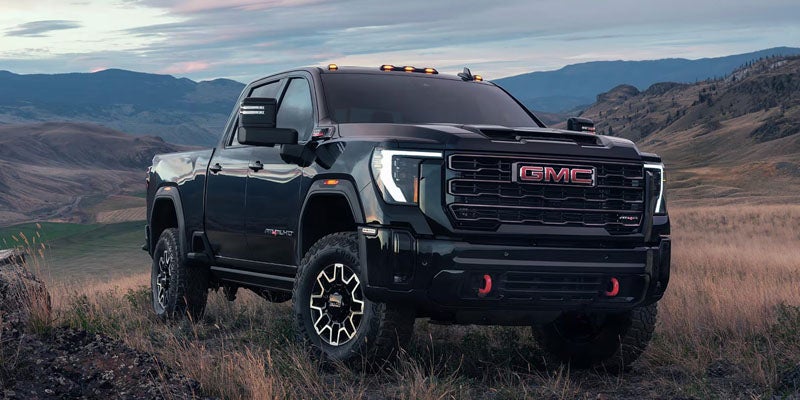
Find a GMC Truck That Fits Work, Towing, and Life in Louisiana
GMC truck inventory in Louisiana covers far more than a row of similar pickups. The truck you choose has to fit the way you move through Hammond and South Louisiana, whether that means weekday travel, a loaded trailer, equipment in the bed, a crew heading to a job, or one truck serving several roles. Starting with the task makes the inventory easier to narrow. From there, you can evaluate Sierra 1500, Sierra HD, and work focused configurations with a clearer sense of what belongs on your shortlist.
Choose the Truck Class Before You Choose the Trim
A trim badge can shape styling, cabin materials, off road hardware, technology, and convenience features, but it should not be the first decision. Begin with the work the truck must carry. A Sierra 1500 can make sense when the truck needs to move between commuting, family travel, towing, bed cargo, and weekend plans. Sierra HD enters the conversation when trailer weight, loaded bed demands, hitch type, or sustained work calls for a heavier truck platform. A work focused pickup or chassis cab deserves attention when equipment integration and business tasks sit at the center of the purchase.
That order matters because two trucks with appealing feature lists can serve very different jobs. A shopper drawn to an upper trim may still need to step back and ask whether the underlying truck class matches the trailer, cargo, and passenger plan. A business owner may find that cab space matters more than decorative upgrades. Someone carrying tools every day may place bed length ahead of rear seat room.
Use three questions to start:
- What will the truck carry in the cab and bed?
- What will it tow, including the trailer after cargo is added?
- How frequently will the truck handle that task?
Once those answers are clear, trim selection becomes a refinement step instead of a substitute for proper truck fit.
Consider the Sierra 1500 When One Truck Has to Cover Several Roles
The GMC Sierra 1500 belongs high on the list for shoppers who want a full size pickup without moving directly into an HD truck. Its appeal is broad because a light duty truck can sit between several parts of life. It may handle weekday travel, home projects, recreational towing, family trips, and bed cargo without asking the owner to treat every drive like a commercial assignment.
The decision still deserves care. Start with what rides inside the truck. Regular rear seat passengers can push cab configuration higher on the priority list. Frequent lumber, equipment, or recreational gear may push bed length upward. A trailer adds another layer because the truck must be assessed as a complete configuration, not by model name alone.
Engine choice should follow the task. Look at the exact truck, its installed equipment, axle setup, drivetrain, cab, bed, and trailering hardware. A powertrain that fits frequent unloaded travel may not be the same choice a shopper favors for recurring trailer miles. Four wheel drive may also matter for launch ramps, loose surfaces, property access, or off pavement travel, though it brings its own price and weight considerations.
The Sierra 1500 path works well when versatility has a high priority. The tension appears when the task begins to press beyond what a light duty configuration should carry or tow. At that point, moving into Sierra HD deserves a serious look rather than selecting a more expensive Sierra 1500 trim and hoping the badge solves a truck class issue.
Move to Sierra HD When the Task Sets a Higher Bar
Sierra HD inventory should be evaluated when trailer demands, loaded bed weight, equipment, or hitch setup point beyond a light duty truck. The move is not simply about choosing a larger pickup. It changes the foundation of the decision and places greater emphasis on loaded figures, trailer type, axle configuration, braking hardware, cooling demands, and the way the truck will spend its working miles.
A shopper pulling a substantial equipment trailer should start with the trailer as loaded for use, not its empty figure. The same principle applies to campers, livestock trailers, large boats, and enclosed cargo trailers. Passengers, hitch weight, tools, auxiliary equipment, and bed cargo all occupy part of the planning process. A truck that appears comfortable on one number can look different once the full load picture is assembled.
Sierra 2500 HD can be a strong step for shoppers who need more truck than a 1500 while still weighing how the pickup will move through regular road travel, parking, crew transport, and job access. Sierra 3500 HD deserves attention when the task grows further, when fifth wheel or gooseneck plans become central, when bed load rises, or when a dual rear wheel configuration enters the discussion.
The tradeoff is straightforward. Moving upward can provide more room for demanding work, yet the larger truck may bring added size, purchase cost, and a different feel in tight spaces. The correct move is to compare those costs against the actual load, not against an abstract desire to buy the largest truck available.
Separate Sierra 2500 HD From Sierra 3500 HD With the Full Load in Mind
Once the decision reaches Sierra HD, the next step is deciding whether 2500 HD or 3500 HD deserves the stronger place on the shortlist. Avoid making that choice from trailer weight alone. Look at hitch weight, cargo in the bed, passengers, tools, accessories, and whether future equipment plans are likely to increase what the truck carries.
A 2500 HD may suit a shopper who needs heavy duty strength but still wants to keep the truck close to a broad mix of towing, travel, and crew use. A 3500 HD may make more sense when the load plan asks for greater reserve, when a fifth wheel or gooseneck trailer is central to the purchase, or when dual rear wheels support the intended setup.
Future plans deserve equal attention. Buying for today’s trailer while already planning a larger one can lead to a second truck purchase sooner than expected. Buying far beyond the task can also add cost and size that never earn their place. The strongest choice is the truck that fits the loaded setup you can document and the work you can reasonably see ahead.
Look at Work Focused Trucks Through the Equipment They Need to Support
A work truck purchase starts with a different question: what must the truck support before it can earn its place in the business? For one owner, that may be a pickup bed carrying tools and material. For another, the answer may involve a service body, flatbed, specialized storage, trailer equipment, or another upfit.
Start by separating a conventional pickup from a chassis cab path. A pickup arrives with a finished bed and may fit businesses that need cargo space, towing, crew transport, and road travel in one package. A chassis cab creates another route when specialized body equipment is central to the job. That choice should be made early because it shapes how the truck will be configured and how equipment will be integrated.
Evaluate:
- crew size and cab access
- tool and material weight
- trailer type and frequency
- bed length or body equipment needs
- two wheel drive or four wheel drive
- idle time and stop frequency
- jobsite access
- future equipment additions
There is tension between buying for one current assignment and buying for the broader work the business expects to take on. A small business owner may prefer a Sierra 1500 when the truck also serves personal travel and moderate job demands. A Sierra HD may fit heavier trailers or denser loads. A chassis cab may be the stronger direction when the truck itself becomes a platform for specialized equipment.
The goal is not to choose the toughest sounding badge. It is to match the truck to the revenue producing task while avoiding cost, size, or equipment that has no clear role.
Refine GMC Truck Inventory in the Right Order
Inventory filters work better when they follow a sequence. Starting with exterior color or an upper trim can narrow the field before the core truck requirements are settled. A more disciplined order keeps the shortlist tied to the task.
- Truck class: Choose whether the search belongs in Sierra 1500, Sierra HD, or a work focused commercial path.
- Cab configuration: Account for regular passengers, crew members, child seats, interior storage, and access needs. More cab room may compete with other priorities such as overall length or bed selection.
- Bed or body setup: Think about what must fit behind the cab. Long material, tool storage, recreational gear, and job equipment can change the answer.
- Powertrain: Match the engine direction to the truck’s recurring task. Consider unloaded travel, trailer miles, load demands, fuel preference, and how the truck will spend most of its time.
- Drivetrain: Assess whether two wheel drive or four wheel drive better fits property access, ramps, loose surfaces, off pavement routes, and the roads the truck will cover.
- Trailering equipment: Confirm the exact hitch related hardware, camera equipment, brake controls, mirrors, and other trailer focused features installed on the vehicle being considered.
- Trim: Now compare cabin appointments, appearance, technology, off road hardware, and comfort features.
This sequence keeps a visually appealing truck from outranking a better fitted configuration too early. It also makes vehicle detail pages easier to compare because each listing can be judged against the same set of requirements.
Evaluate the Truck Against the Entire Task, Not One Headline Number
A towing figure is only one part of truck selection. The full task includes what the trailer weighs after it is loaded, what rests on the hitch, what sits in the bed, who rides in the cab, and which accessories or equipment are installed. Those pieces should be reviewed together.
Consider a truck carrying passengers, a toolbox, recovery gear, and trailer hitch weight. The truck is doing more than pulling a trailer behind it. It is carrying weight at the same time. That is why the exact vehicle configuration deserves review before a purchase decision is made.
The same discipline applies when no trailer is involved. Dense cargo, service equipment, material, or a future upfit can shift the truck choice toward another configuration. A shopper who rarely tows but carries substantial bed weight may reach a different conclusion than someone pulling a recreational trailer with a lightly loaded bed.
Bring actual numbers into the conversation wherever possible. Trailer documentation, equipment weights, planned cargo, passenger count, and body equipment details create a stronger starting point than choosing from memory or appearance.
Narrow Your GMC Truck Shortlist From Hammond
Ross Downing GMC gives shoppers in Hammond and nearby South Louisiana communities a local point for moving from research into available trucks. For drivers traveling from Baton Rouge, Covington, New Orleans, or nearby areas, a prepared shortlist can make the visit more focused.
Before comparing specific vehicles, write down the truck class, cab, bed, powertrain direction, drivetrain, trailer setup, and must have equipment you have settled on. Then separate true requirements from preferences. That makes it easier to compare available GMC trucks without losing the reasoning that brought you to the inventory in the first place.
A strong truck search should end with a configuration that fits the work ahead, the people riding with you, and the roads you plan to cover.
What are the trim packages for GMC trucks?
GMC truck trims vary between Sierra 1500 and Sierra HD, and each serves a different type of shopper. A useful way to narrow them is by the role you want the truck to fill:
- Work focused: Pro puts job needs first with a straightforward equipment mix. SLE adds more cabin and technology features while keeping a task centered direction.
- Everyday road and mixed use: Elevation is available on Sierra 1500 for shoppers drawn to a bolder appearance and broader feature mix. SLT moves further into cabin comfort and added equipment for drivers balancing towing, travel, commuting, and regular truck use.
- Off road focused: AT4 adds trail ready hardware and four wheel drive focused equipment. AT4X moves further with more specialized off road hardware for shoppers planning rougher terrain and more technical trail use.
- Denali direction: Denali emphasizes distinctive styling, cabin materials, and advanced technology. Denali Ultimate sits at the top of the lineup with the fullest feature mix and added flagship details.
The 2026 Sierra 1500 lineup includes Pro, SLE, Elevation, SLT, AT4, AT4X, Denali, and Denali Ultimate. The 2026 Sierra HD lineup includes Pro, SLE, SLT, AT4, AT4X, Denali, and Denali Ultimate. Start with truck class, towing plans, cab and bed needs, and work demands, then use trim to narrow the equipment and cabin direction that fits your priorities.
What security and trailering camera options does GMC offer?
Available camera and trailering tools vary by GMC truck, trim, package, and installed equipment. When comparing inventory, check the exact vehicle for trailer focused camera views, hitch guidance, surrounding views, trailer monitoring tools, and compatible trailering hardware. A shopper who tows frequently should evaluate which views support hookup, close maneuvering, lane changes, and trailer awareness rather than choosing by camera count alone.
What is the best GM truck for a small business owner?
The answer starts with the work. A light duty GMC pickup may suit an owner balancing client travel, tools, moderate cargo, and personal driving. A Sierra HD may fit heavier trailers or denser loads. A chassis cab deserves attention when a service body, flatbed, utility body, or specialized equipment sits at the center of the business. Compare crew size, cargo, trailer details, equipment weight, upfit plans, and future work before choosing.
What is the best GM vehicle for towing a fifth wheel trailer?
A fifth wheel search should start with the trailer’s loaded figures and the exact hitch setup, then move into compatible heavy duty truck configurations. Review loaded trailer weight, hitch weight, truck payload information, cab and bed setup, axle configuration, passenger and cargo weight, and the ratings for the exact vehicle. Larger fifth wheel plans may move the search toward a Sierra 3500 HD, while other setups may fit a properly selected Sierra 2500 HD. Exact matching should happen before purchase.
(Note: This article focuses on providing helpful information and does not mention specific pricing. For more information about financing and car buying, please reach out to our dealership.)