Blog

All Hammond GMC Dealer Hammond GMC Service

Choosing the Right GMC Trucks for Work and Weekend Use in Louisiana

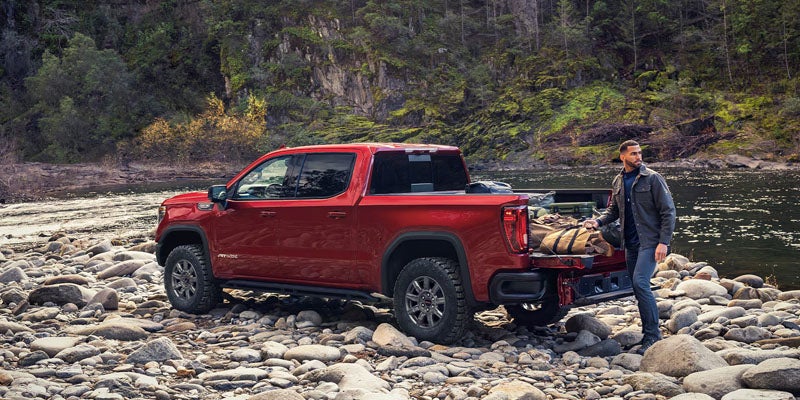
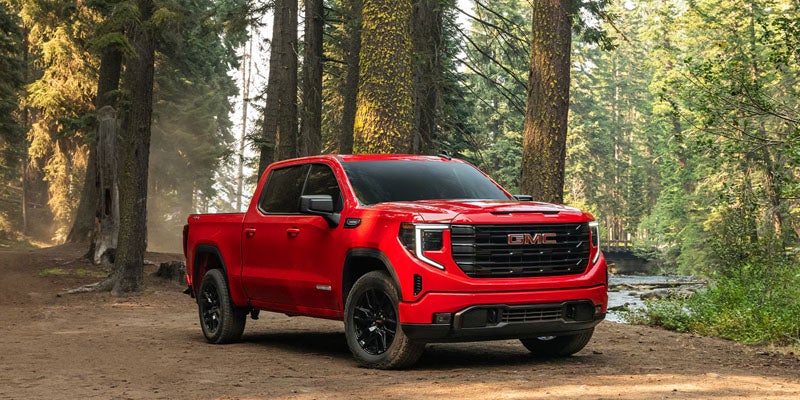
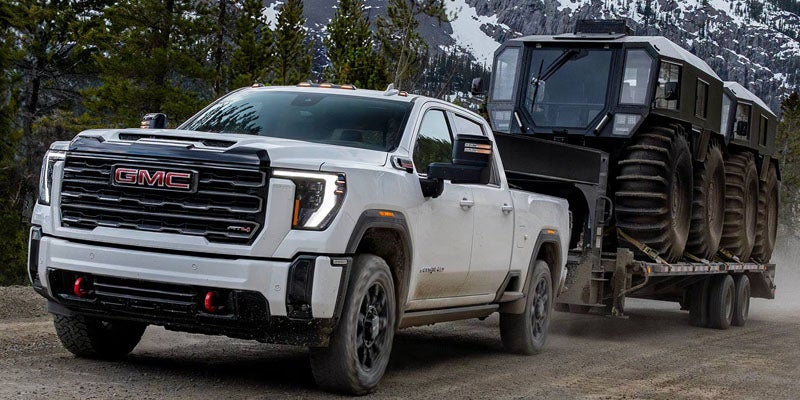
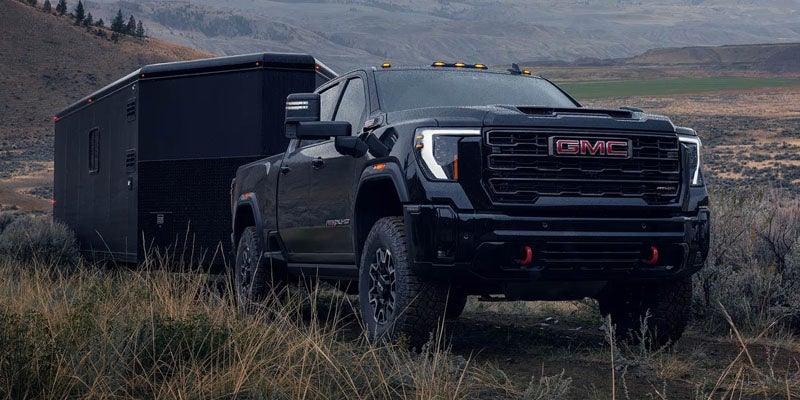
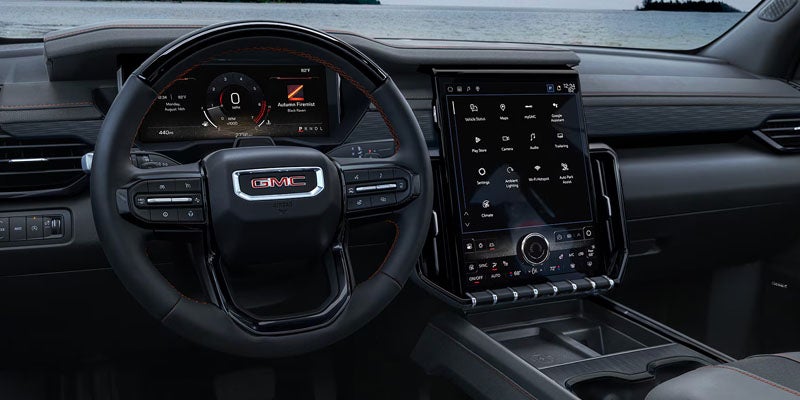
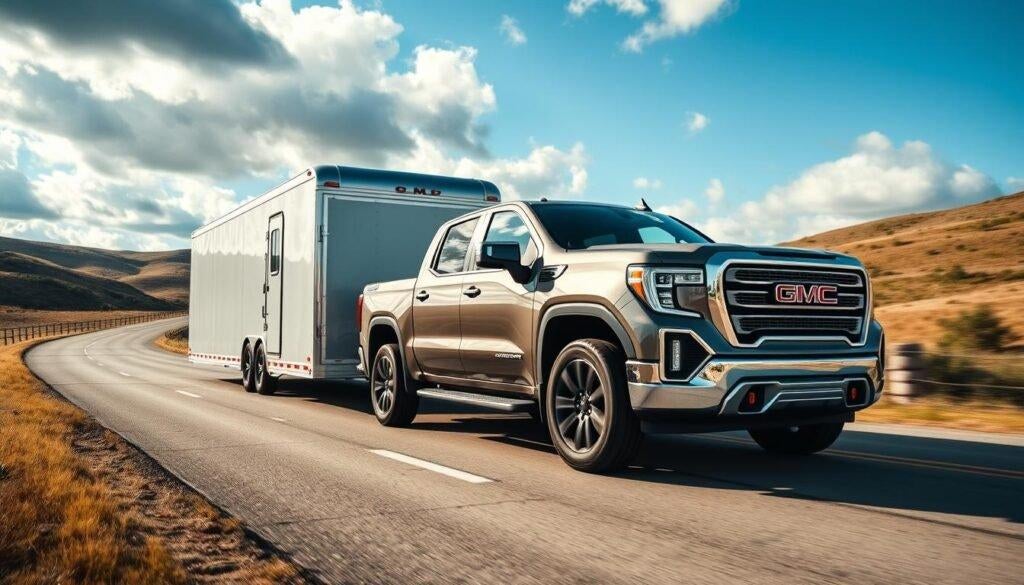
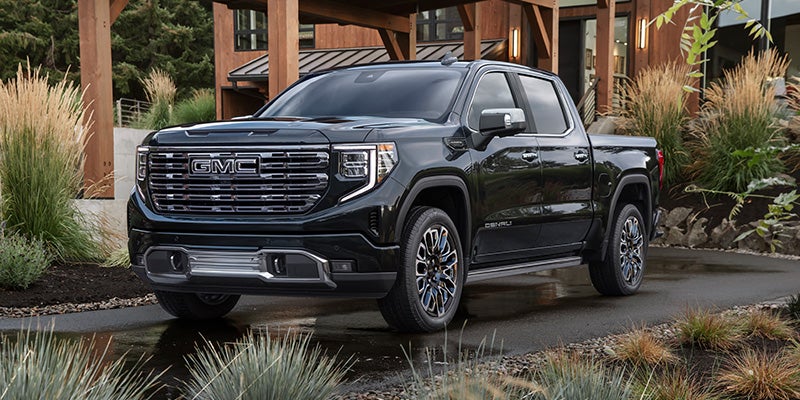
Finding a pickup truck that handles both jobsite demands and weekend adventures requires more than browsing a lineup. For drivers across Hammond, Baton Rouge, and South Louisiana, GMC trucks stand out with their big presence, substantial build, and commanding capability—designed to meet real towing, payload, and driving needs from the frame up. The Sierra 1500 line, along with other distinct model lines within GMC's product lineup, showcases the brand's commitment to offering a range of trucks tailored to different needs. GMC markets its vehicles as more premium and luxury-oriented compared to Chevrolet, which targets a more mainstream audience. While Chevrolet offers a full lineup of cars and SUVs, GMC focuses exclusively on trucks and SUVs, often marketed alongside Buick and Cadillac. Fast Answer: Which GMC Truck Fits Workdays and Weekends in Louisiana? For most Hammond and South Louisiana drivers balancing work commutes with weekend boat trips or camp runs, the 2026 GMC Sierra 1500 handles the job well, setting the standard for excellence in its class by combining strength and precision. You only need to step up to the Sierra 2500HD or 3500HD when your trailer weights and payload numbers genuinely demand it. The right truck depends on three factors: how often you tow, how heavy your trailer actually is, and how much time you spend on I-12 without a load behind you. Ross Downing GMC, your local gmc dealer in Hammond, LA, helps shoppers calculate real towing and payload numbers before choosing between Sierra models. Here’s a quick self-sort: more Light boat or small utility trailer (under 7,000 lbs): Sierra 1500 Mid-size camper or equipment trailer (8,000–14,000 lbs): Sierra 2500HD Large fifth-wheel or gooseneck (15,000+ lbs): Sierra 3500HD Understanding GMC Truck Classes: Sierra 1500 vs 2500HD vs 3500HD What is the difference between the GMC Sierra 1500, 2500HD, and 3500HD? These represent half-ton, three-quarter-ton, and one-ton classifications—each with distinct frames, suspensions, and load-handling behavior that go far beyond badging. GMC and Chevrolet trucks have shared platforms since 1920, resulting in similar body designs but different branding and marketing strategies. Sierra 1500 (Half-Ton) The gmc sierra 1500 uses a lighter fully boxed high-strength and ultra-high-strength steel frame with aluminum body panels for weight savings, ensuring durability and structural integrity, including the quality of the doors. Its suspension—multi-link coil-spring in higher trims or leaf springs in base models—prioritizes a car-like ride during daily driving. Available engines include the 2.7L TurboMax, 5.3L V8, 6.2L V8, and 3.0L Duramax Turbo-Diesel. This design suits I-12 commutes between Hammond and Baton Rouge with minimal bounce, but stability decreases under sustained heavy duty towing beyond 10,000–13,000 pounds. Key features include the MultiPro Tailgate, which offers six functions for improved cargo management and bed access, and the ProGrade Trailering System, providing advanced hitch guidance and customized trailer profiles. Sierra 2500HD (Three-Quarter-Ton) The 2500HD steps up with thicker frame rails using advanced high-strength low-alloy steel. Heavier-duty leaf-spring rear suspension with increased spring rates keeps the truck level under load. Larger ventilated brake rotors up to 14.5 inches maintain composure when towing mid-size equipment trailers or bumper-pull campers. The GMC Sierra 2500 HD can achieve a maximum towing capacity of 16,000 lbs with the 6.6L Gas V8 engine when properly equipped. Sierra 3500HD (One-Ton) The 3500HD adds even beefier frame construction, optional dual rear wheels for rear axle ratings up to 10,000 pounds, and stiffer multi-leaf springs. Max towing reaches up to 36,000 lbs for fifth-wheel RVs or gooseneck horse trailers when equipped with the 6.6L Duramax Turbo Diesel V8 engine and the Max Trailering Package—essential for commercial farm work in rural Louisiana parishes. These differences are mechanical: frame steel thickness, suspension design, brake sizing, rear axle capability, and the structural quality of components like the doors. Think in terms of system strength, not just advertised numbers. How Towing Capacity and Payload Really Work on GMC Trucks Why do towing capacity and payload numbers matter so much when choosing a vehicle? Towing capacity is what the truck can pull. Payload is everything on and in the truck—passengers, cargo, tools, and the vertical weight pressing down from your trailer hitch. Engine torque, axle ratio, and cooling systems work together to determine safe limits. A sierra 1500 with the 5.3L V8 (355 hp, 383 lb-ft) and 3.42 gears tows up to 13,200 pounds but drops to around 9,500 with crew cab configurations due to higher curb weight. The 2500HD Duramax 6.6L turbo-diesel (470 hp, 975 lb-ft) with Allison 10-speed reaches 18,500 conventional and 22,500 fifth-wheel. Here’s a real-world example: Towing a 6,000-pound bass boat from Hammond to Toledo Bend adds roughly 600 pounds of tongue weight plus 800 pounds of passengers and tools. That’s 1,400 pounds of payload consumed on a 1500, leaving little margin. A 2500HD’s 3,000+ pound payload headroom provides safer control on I-12 merges and crosswind stretches. The heavier suspension, brakes, and rear axle in Sierra HD models keep the truck level and controlled near upper ratings—especially important on wet Louisiana roads. Which GMC Truck Is Best for Towing and Daily Driving Balance? Which GMC truck is best for towing while still working as a daily driver in Louisiana traffic? The answer usually starts with Sierra 1500, but shifts based on trailer weight and towing frequency. The Sierra 1500 offers balanced frame and suspension tuning for comfort on daily commutes through Hammond, Baton Rouge, and Covington. It handles common weekend loads—small campers, ATVs, boats—without issue. The Sierra 2500HD becomes the better choice when you tow mid-size travel trailers, enclosed work trailers, or equipment several times weekly. You accept a firmer ride in exchange for stability and confidence under load. The Sierra 3500HD fits drivers who regularly tow near GM’s max ratings—large fifth-wheel RVs, gooseneck horse trailers, or commercial loads—where control and durability matter more than empty-bed comfort. Example scenarios: Contractor carrying tools all week plus a side-by-side and boat on weekends: Sierra 1500 SLT or 2500HD depending on trailer size Family towing a 9,000 lb camper from Hammond to Gulf Shores: Sierra 2500HD for stability and braking confidence As a result, choosing the right GMC truck for your needs leads to improved comfort, confidence, and satisfaction whether you're towing heavy loads or navigating daily Louisiana traffic. Ross Downing GMC encourages buyers to bring actual trailer stats so the team can recommend based on numbers, not assumptions. GMC Truck Trim Levels Explained by Real Use Cases Which GMC trim level is best for work versus weekend use? Trims change how the same truck class behaves and feels, not its basic frame strength. Pro and SLE Trims These focus on practical work configurations with vinyl or cloth interiors, easy-to-clean surfaces, and cost efficiency. Ideal for jobsite duty across Hammond, Ponchatoula, and industrial areas where durability matters more than luxury. SLT and Denali Trims Tuned for comfort and long-distance towing with upgraded interior materials, advanced driver assistance, and tech that reduces fatigue on highway trips to Destin or the Smoky Mountains. These options make daily commuting more enjoyable. AT4 and AT4X Trims Off-road-focused with specialized suspension components, all-terrain tires, and underbody protection. AT4X adds exclusive Multimatic DSSV dampers and 33-inch Goodyear MT tires for 10.8-inch ground clearance—built for muddy camp roads and hunting leases. Ross Downing GMC displays side-by-side sierra trims on the lot so shoppers can feel the difference between seats, ride quality, and features before committing. Is GMC AT4 Really Worth It if You Mostly Drive On-Road? Is AT4 actually worth it for non off-road driving? AT4 is GMC’s factory off-road package available on Sierra 1500 and Sierra HD models, adding specific capability for unpaved conditions. What AT4 includes: Off-road-tuned suspension with increased ground clearance Skid plates protecting underbody components All-terrain tires designed for mud, sand, and uneven terrain Tradeoffs to consider: All-terrain tires create more road noise on highways Slightly firmer ride compared with SLT or Denali Potentially reduced fuel efficiency (1-2 mpg difference) AT4 makes sense if you frequently travel unpaved parish roads, boat launches with slick surfaces, or backwoods camps—even if most miles are on pavement. However, primarily urban or interstate drivers between Hammond, Baton Rouge, and New Orleans who only occasionally hit gravel may find SLT or Denali delivers better on-road comfort and quieter towing. Ross Downing GMC arranges back-to-back test drives so you can feel the difference before deciding. How Much GMC Truck Do You Really Need for Tools, Trailers, and Mixed Use? Do I actually need a Sierra 2500HD, or will a Sierra 1500 work for my tools and trailers? The answer combines weight, frequency, and future plans. Decision framework: Trailer typically under 7,000–8,000 lbs loaded, towing a few times monthly: Properly equipped Sierra 1500 Near 10,000–14,000 lbs or towing several days weekly: Sierra 2500HD for safer stability Fifth-wheel or gooseneck over 20,000 lbs: Sierra 3500HD, potentially DRW Regular tool loads—bed-mounted toolboxes, ladders, generators—plus passengers count toward payload. This can push some buyers into 2500HD even when their trailer isn’t extremely heavy. Think about the next 5–7 years. Upgrading to a larger camper, adding equipment, or expanding a business means sizing the truck slightly ahead of current needs makes sense. GM data shows under-speccing leads to roughly 25% higher maintenance costs from overload stress. Ross Downing GMC’s sales team reviews customer use cases and helps decide whether stepping up to a heavier class now prevents an earlier trade later. Pairing Sierra 1500, 2500HD, and 3500HD with Real Louisiana Use Cases Here’s how typical Louisiana lifestyles match to specific gmc trucks and trims: Daily commuter, Hammond to Baton Rouge, weekend boat or jet skis → Sierra 1500 SLE or SLT (payload ~1,870 lbs, tows 11,200 lbs, ~20 mpg highway) Contractor hauling tools daily, medium enclosed trailer several times weekly → Sierra 2500HD Pro or SLE (payload 3,800 lbs, exhaust brake for humid-weather stops) Family with 35-foot fifth-wheel camper, long trips to Texas or Florida → Sierra 3500HD Denali (36,000 lbs tow, air suspension levels 4,000-pound pin weight) Outdoors enthusiast, muddy hunting leases and remote fishing spots → Sierra 1500 AT4 or Sierra 2500HD AT4 (9+ inch clearance, locking diffs for mud) Drivers seeking a capable and comfortable mid-size pickup for daily use and weekend adventures → 2026 GMC Canyon (renowned for its capability and comfort as a mid-size pickup truck) Shoppers interested in a luxury electric pickup truck with advanced performance and power → 2026 GMC Sierra EV (an all-electric pickup truck that emphasizes both luxury and high-end electric capabilities) Those wanting a revolutionary electric pickup experience with supertruck performance → 2026 GMC Hummer EV Pickup (the Hummer EV pickup is an all-electric supertruck designed to redefine the electric vehicle segment, showcasing innovative design and capabilities) Each scenario ends with a clear truck and trim recommendation based on actual capability needs. GMC Truck Systems and Weekend Comfort: Ride, Braking, and Stability Truck class impacts more than numbers—it changes ride comfort, braking feel, and stability whether you’re loaded or traveling empty on Louisiana highways. Sierra 1500 suspension tuning favors a smoother, more car-like ride for everyday trips through Hammond, Denham Springs, and Metairie. When the bed is empty, you feel the difference in comfort compared to other trucks in the heavy duty class. Sierra 2500HD and 3500HD rides feel firmer without a load. But their heavier springs, shocks, and brakes excel when towing beyond 10,000 lbs on long interstate grades or in stop-and-go traffic. HD models use larger rotors and calipers that dissipate more heat under repeated braking—GM testing shows they stop from 60 mph up to 20% shorter distances when loaded near capacity compared to half-tons. Off-road suspensions and taller tires (AT4 models) slightly change handling under hard braking and quick maneuvers. This matters when towing on wet or uneven pavement common during Louisiana rainy days. Choosing the Right Trim for Long-Distance Towing and Daily Comfort SLT and Denali trims support long-distance towing and comfortable daily use beyond what work-focused trims offer. Sierra 1500 and Sierra HD SLT trims add upgraded seats, quieter cabins, and driver-assist technology that reduces fatigue on long interstate trips and daily commutes. Features like adaptive cruise that modulates throttle and brakes for trailer sway mitigation make highway traveling less stressful. Some advanced technology and driver-assist features may require linking an account to access full functionality, so users should consider privacy and account integration when using these services. Denali trims layer in premium interior materials, advanced technology including Transparent Trailer View cameras stitching 360-degree feeds for hitching, and Bose audio for road trip comfort. These don’t change core towing and payload fundamentals—they change how those capabilities feel and how enjoyable the truck is to live with. Many Louisiana buyers who work from their truck plus tow campers or boats find SLT or Denali to be the best compromise between professional use and family comfort. The space and design in these trims feels noticeably different from Pro or SLE. Financing, Trade-Ins, and Ownership Support at Ross Downing GMC Choosing the right GMC truck includes budgeting for the correct class and trim. GMC trucks are frequently sold as premium, well-featured options, and they are often sold well due to their strong appeal and build quality. Ross Downing GMC in Hammond offers financing and leasing options tailored to work-and-weekend buyers who need to balance price with capability. The dealer evaluates trade-ins—including older trucks, suvs, cars, and even vans—to help offset costs when stepping up to a Sierra 2500HD or 3500HD. This makes correctly sizing your truck realistic rather than compromising to save a small amount upfront. Certified pre-owned GMC trucks, including Sierra 1500 and Sierra HD models, are available for buyers wanting capability with added value. These are backed by GM inspections and extended warranty coverage that provide confidence. Customers from Baton Rouge, Covington, and New Orleans can pre-qualify online, review payment scenarios for different trims, and visit the Hammond showroom to finalize their selection. Additionally, the finance team can discuss whether purchasing or leasing makes more sense based on your mileage patterns and how long you typically keep vehicles. Service, Maintenance, and GM Genuine Parts for Working GMC Trucks Once you have the right GMC truck, proper maintenance keeps it performing—especially for trucks used for towing in Louisiana heat and humidity where production of heat under load is constant. Proper care helps ensure your GMC truck delivers a long and reliable life, supporting both work and personal adventures for years to come. Ross Downing GMC’s service department handles routine maintenance: Oil changes (every 7,500 miles under tow for Duramax diesels) Brake inspections and rotor checks Coolant and transmission service Tire rotations and alignment GM Genuine Parts—brakes, filters, towing components—ensure systems perform as designed under heavy load. Aftermarket parts may offer discounts initially but can compromise performance where it matters. Frequent towers should consider more regular fluid checks and brake inspections. Ross Downing GMC sets up maintenance schedules tailored to tow frequency and mileage, helping trucks last longer and maintain capability through years of combined work and weekend use. Customers can schedule service appointments online. The dealership supports both personal-use and commercial-use GMC trucks from across the Northshore region, including people traveling from New Orleans and Covington. Next Steps: Test-Drive and Spec Your GMC Truck in Hammond, LA Selecting a GMC truck means matching Sierra 1500, 2500HD, or 3500HD systems and trims to real-world work and weekend use—not just picking based on appearance. The way GMC trucks look and feel sets them apart, with a style and class that stands out on the road. June is often a peak month for truck sales, with brands like Ford and Toyota seeing high visibility, but GMC stands out for its premium appeal and attention to detail. When comparing options, Ford is a major competitor in the truck market, but GMC differentiates itself with luxury features and superior build quality. Visit Ross Downing GMC in Hammond to test-drive different truck classes and trims back-to-back. Bring your trailer weights, typical routes, and usage patterns for a tailored recommendation. The view from behind the wheel matters more than specs on a screen. Shoppers from Baton Rouge, Covington, and New Orleans can start online—browse current Sierra inventory, read through towing and payload details, and schedule a test drive. Contact the dealership to discuss whether financing, leasing, or a certified pre-owned GMC truck fits your budget and how you plan to use the vehicle through the days and miles ahead. The Ross Downing GMC team helps you avoid both underbuying and overbuying by walking through actual numbers and use cases. Find your drive—one that works for the road you take every day and the weekends that make it all worth it.

What to Expect During Your Vehicle Maintenance Service: GMC Appointment in Baton Rouge

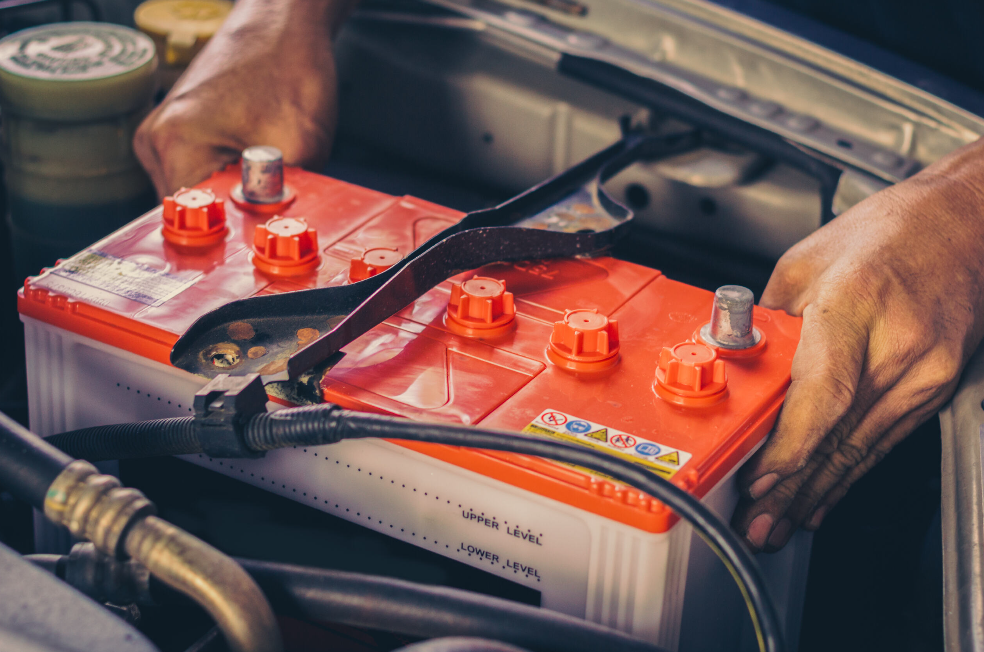
This guide is for GMC owners in Baton Rouge and surrounding areas who want to understand what to expect during a dealership maintenance visit. Understanding the process helps you make informed decisions and ensures your vehicle stays reliable. Regular vehicle maintenance is essential for ensuring your vehicle's performance, safety, and longevity. By keeping up with scheduled maintenance, you can save on costly repairs in the long run while maximizing efficiency and reliability. Bringing your GMC in for service shouldn’t feel like a guessing game. Whether you’re due for scheduled maintenance services or chasing down an unfamiliar noise, knowing how the process actually works puts you in control. This guide walks you through a real vehicle maintenance service visit at Ross Downing GMC near Baton Rouge—from the moment you pull into our Hammond location to the moment you drive away, highlighting the advantage of choosing our certified technicians and exclusive service offers. Consider this scenario: a 2026 GMC Sierra 1500 owner from Baton Rouge arrives for a 30,000-mile maintenance visit. There’s also a brake noise that started a few weeks ago. What happens next? How long will it take? When will someone call? This article answers those questions by showing you exactly how our service department operates—check-in, inspection, communication, approvals, timelines, and pickup—while also explaining the difference in our transparent and convenient service process compared to other stores. The goal is simple: less stress, clearer expectations, and more confidence when you approve or decline work on your Sierra, Yukon, Terrain, Acadia, or any other GMC. Ready to schedule? Contact our service team to book your appointment today or find a store near Baton Rouge or Hammond for added convenience. Before You Arrive: Booking and Preparing for Your GMC Service Appointment Online and Phone Scheduling more Book through our online scheduler or call (985-222-2386) the service department directly. Creating an account may be required for online scheduling or to access promotional offers. Select your service type (oil change, tire rotation, diagnostics) and preferred date/time. Describe specific concerns like “check engine light on” or “Sierra pulls left when braking.” Why We Collect Vehicle Data Up Front Your VIN, current mileage, and model details (for example, a 2026 GMC Acadia SLT) allow technicians to pre-plan labor time and check parts availability. This cuts technician idle time by 15-20% and helps your visit run smoother. Confirmation and Reminders Expect email or SMS confirmation within minutes, including your arrival window, Hammond location details, and estimated shop time. Please note that some offers or discounts are only valid for eligible customers and may have restrictions. Prep Checklist Remove valuables from your car. Bring both key fobs (especially for 2026 models with programming features). Note any dashboard warning lights. Have maintenance history ready if work was performed elsewhere. Proof of purchase may be required to redeem certain offers. Timing Matters Early-morning slots (7-9 AM) work best for complex diagnostics like transmission or electrical concerns. Afternoon arrivals may face longer wait times due to accumulated backlog. The frequency of oil changes should follow your vehicle manufacturer's recommendations based on your driving habits and conditions. There are five main types of motor oil used in lightweight vehicles, and the type you choose should depend on your vehicle manufacturer's recommendations, your driving habits, the age of the engine, and the climate you drive in. Service Lane Check-In: What Happens When You Pull In When you arrive at Ross Downing GMC, here’s the sequence: Greeting and Initial Contact A service advisor greets you within 3-5 minutes of arrival. They’ll verify your VIN (scanned via barcode reader), current mileage, license plate, and any open recalls or GM service campaigns tied to your vehicle. If you have any coupons or discounts, please ensure they are presented at check-in; only valid offers will be accepted, and all promotions are subject to restrictions. Presenting valid offers can help you save on your vehicle maintenance service. If your discount is tied to a recent purchase, please bring proof of purchase as required. Describing Your Concerns You’ll walk through what brought you in: “vibration at 60 mph in my 2026 Yukon Denali” or “oil life at 5% on my GMC Terrain.” The advisor asks clarifying questions—when it happens, how often, under what conditions. As part of the check-in, a comprehensive vehicle inspection will be performed to help determine whether you need quick maintenance or deeper diagnostic work. Service Categorization Service Type Examples Typical Time Quick Maintenance Oil change, tire rotation, cabin filter 45-90 minutes Diagnostics Check engine light, shifting issues, A/C concerns 2-4 hours Regular vehicle inspections are essential for ensuring that your car meets safety, emissions, and performance standards. Initial Estimates Your advisor sets time expectations based on the work type. Keep in mind that findings during inspection can adjust the plan. Transportation Options Wait in our lounge with complimentary coffee and WiFi. Use shuttle service to Baton Rouge (approximately 10-15 miles). Drop off your vehicle for later pickup. Initial Triage and Multi-Point Inspection: How Technicians Evaluate Your GMC Priority Assignment Vehicles are routed by appointment time and safety priority. Brake concerns or steering issues take precedence over convenience items. Technician specialization also matters—diesel specialists handle Duramax Sierra HD models, while advanced electronics technicians work on newer model diagnostics. This specialization reduces misdiagnosis rates by approximately 40%. GM Multi-Point Inspection Every vehicle goes through a standardized 27-160 point inspection (model-dependent), covering: Tires (tread depth measured in 32nds), including tire installation and balancing to ensure even weight distribution and prevent vibration, as well as rotation (recommended every 5,000 to 7,500 miles) and proper inflation (crucial for safety and fuel efficiency; under-inflated tires can reduce fuel economy by up to 3% for every 1 psi drop). Clean filters and proper tire pressure can boost fuel economy by roughly 6%. Brakes (pad thickness in millimeters). Suspension components (bushings, ball joints). Fluids including motor oil, washer fluid, and coolant. Motor oil lubricates the mechanical parts of your engine, keeping it clean, cool, and protected. The cooling system is checked to ensure the engine stays cool and operates efficiently. Battery testing (load test values, cold cranking amps), with battery maintenance services often including testing, cleaning terminals, and ensuring proper connections to enhance battery life and performance. Car batteries typically last between 3 to 5 years, and regular battery testing is recommended, especially for batteries over three years old, to prevent being stranded with a dead battery. Differential fluid and components are checked as part of the inspection to ensure smooth operation and prevent costly breakdowns. Belts, hoses, lights, and filter condition. Fuel system inspection includes checking for deposits on fuel injectors and other components to prevent engine performance issues. Air conditioning and headlights are checked, and specialized services can restore original performance if needed. A professional vehicle inspection typically checks key systems and components, helping to identify potential issues before they become serious problems. Many states require periodic vehicle inspections to ensure compliance with safety and emissions regulations, which can vary by location. Results are coded green (good), yellow (monitor), or red (needs attention) for easy interpretation. Factory Diagnostic Tools GM’s GDS2 and MDI2 scan tools connect to your vehicle’s control modules, reading trouble codes, live sensor data, and data logs that reveal issues invisible to the eye. For example, technicians can spot transmission temperature abnormalities on a Sierra before failure occurs under towing load, or identify intermittent misfires on a Terrain that wouldn’t show during a basic engine check. Measurements and Documentation Technicians record specific values—brake pads at 5mm, battery at 620 CCA, tread depth at 6/32nds—that become part of your final paperwork. Warranty coverage and GM maintenance programs are also checked during inspection, so recommended work can be flagged appropriately as warranty, customer-pay, or goodwill. How Service Recommendations Are Generated and Explained Documentation Standards Technicians document each concern with root cause, supporting evidence (codes, measurements, photos), and recommended repair using GM labor guides. Prioritization Logic Regular checks identify potential hazards like worn brakes, worn tires, or damaged parts before they cause a failure. Routine maintenance tasks can help prevent costly repairs by identifying potential issues before they become serious problems. Priority Level Examples Safety-Critical Severely worn brake shoes on a Yukon, steering issues Reliability Marginal battery on a Sierra used for Baton Rouge commuting Preventative Alignment based on uneven tire wear patterns Translation to Plain Language Your service advisor converts technical findings into understandable terms, explaining what happens if you defer versus approve each recommendation. For instance: “Deferring alignment now could accelerate tire wear by 5,000 miles.” Knocking or tapping noises often suggest low oil levels or internal engine problems. Example: 2026 GMC Acadia 30k Service Oil and filter change: $120 Tire rotation (tires rotated and balanced): $40 Cabin air filter replacement: $60 (It is recommended to replace the air filter every 30,000 to 45,000 miles to maintain engine performance and fuel efficiency.) Brake fluid condition check: included Alignment (optional, based on tire wear pattern): $130 This example highlights the difference between a basic package (oil change, tire rotation) and a comprehensive service option (including alignment and brake fluid check). Line-item estimates include labor, parts (GM Genuine Parts or ACDelco), shop supplies, and tax. Any applicable coupon or discount from Ross Downing GMC is only valid for eligible customers, must be presented at the time of service, and may have restrictions. If you make a purchase of qualifying parts or services, be sure to review all restrictions and eligibility criteria to ensure your offer is valid. Communication Flow: When and How You Receive Service Updates Clear communication removes the anxiety of wondering what’s happening with your vehicle. Update Triggers and Timing Stage Communication Method Content Check-in confirmation Text (within 10 minutes) Vehicle in queue, estimated completion time Post-inspection Call or text (20-40 minutes) Findings, recommendations, costs, adjusted ETA Parts/delay notifications Call or text Order status, timeline changes The Main Decision Point After inspection, your advisor contacts you with a structured rundown: what was found, what’s recommended, what’s optional, total cost, and updated time estimate. Digital approval options allow you to approve or decline specific operations via text or email, creating a timestamped record. You can use your account to track approvals and your service history, but note that digital approvals and special offers may be subject to restrictions. For non-warranty items, a purchase decision is required before work proceeds. For more details or to redeem current offers, visit http://rossdowninggmc.com/service-offers. When communicating findings, your advisor will explain that your car’s diagnostic system uses color-coded lights to signal urgency: red lights require immediate action, while yellow, amber, or orange lights indicate a system needs attention soon but is not an immediate emergency. Regular maintenance catches small issues before they become major expenses. Ongoing Updates For longer jobs involving auto repair or parts orders, expect proactive communication if: Parts require ordering (typically 1-3 days for specialized components) A technician discovers an additional related issue Repair time extends beyond the original estimate Your Peace of Mind No major work proceeds without your explicit authorization. You can request photos, measurements, or old parts for verification. During business hours (typically Monday-Friday, 7:30 AM-5:30 PM), you can always call to check status. Service Timelines: Why Some Jobs Are Quick and Others Take Longer Understanding what consumes time helps set realistic expectations. Standard Maintenance Timeframes An oil change and tire rotation on a GMC Terrain or Acadia typically takes 60-90 minutes when scheduled, assuming no additional findings require attention. Most vehicles follow a standard 30-60-90 routine maintenance schedule, with key services recommended every 30,000 miles. Diagnostic Complexity Check engine light, electrical issues, or intermittent drivability concerns can involve test drives, repeated scans, and data capture. This diagnostic process often takes 2-4 hours before repair work even begins. Burning rubber may indicate overheating brakes or a slipping belt, while squealing or grinding noises usually point to worn brake pads or slipping belts. Difficulty starting the engine or a slow-to-turn-over starter suggests a failing battery or alternator. Unusual noises like squealing, grinding, or clicking can also indicate worn brake pads or suspension issues. Fluid leaks under the car indicate leaks; colored fluids can signal serious issues—bright green, orange, or pink fluids are likely coolant, while dark brown or black is usually engine oil. Puddles under your car can indicate a seal or hose has failed. Factors affecting the fuel system or exhaust system may require extended analysis. Specialization Queues Waiting for the right technician—diesel specialists for Sierra HD Duramax, transmission specialists, or advanced electronics certified technicians—can extend timelines but significantly improves accuracy. Parts Availability In-stock GM Genuine Parts: same-day completion (approximately 80% of cases) Ordered components (control modules, adaptive suspension parts): 1-3 business days Some maintenance tasks may require us to replace components such as wiper blades, air filters, batteries, brake fluid, brake pads, rotors, or drums to restore your vehicle’s safety and performance. Backlog Factors Morning drop-offs typically move through faster. Afternoon arrivals and walk-ins may be worked into the existing load based on urgency. If your Yukon brake job reveals rotors need replacement rather than resurfacing, your advisor will reset expectations—expect 4 hours instead of 2. Understanding Your Final Paperwork and Inspection Results When you pick up your GMC, you’ll receive comprehensive documentation. This includes a summary of all vehicle maintenance services performed, such as oil changes, tire rotations, brake inspections, and windshield inspection and maintenance—checking for cracks and ensuring clear visibility for optimal safety. Completed Repair Order Customer concerns listed Technician findings documented All approved services performed with parts used (including GM part numbers) Total costs broken down by category Summary of comprehensive vehicle maintenance services, including checks and replacements for the cooling system, fuel system, and air conditioning to restore and maintain optimal performance. Regular maintenance helps improve fuel efficiency and reduce emissions. Definition: Comprehensive vehicle maintenance services often include checks and replacements for various systems, such as the cooling system, fuel system, and air conditioning, to ensure optimal performance. Multi-Point Inspection Results Color-coded results (green/yellow/red) show current status of tires, brakes, battery, fluids, steering, and other components. Specific measurements are listed: “rear brakes at 5mm, re-inspect in 6 months or 6,000 miles.” Verbal Review Your advisor walks through key items: what was fixed today, what can wait, and what to monitor. Battery replacement recommendations, headlights needing attention, or suspension concerns are all explained in context. Documentation Value Keep digital or printed copies of service records in your account. Maintaining an account with consistent service records suggests a better-maintained car, increasing your vehicle’s resale or trade-in value by 5-10% and helping with future troubleshooting. Questions? Call back anytime for clarification on any invoice item. After Your Visit: Planning Future GMC Maintenance and Building a Service Relationship Today’s visit connects to the long-term care of your GMC in the Baton Rouge and Hammond area. Schedule Your Next Service Before leaving, consider booking your next maintenance interval based on GM’s maintenance schedule. A 2026 Yukon XL that tows regularly might need its 45,000-mile visit sooner than a Terrain used for city commuting. Your driving habits directly affect when your next service should occur. Key signs it’s time for vehicle maintenance include illuminated dashboard lights, unusual noises, fluid leaks under the car, decreased fuel efficiency, and sluggish acceleration. Building History Returning to Ross Downing GMC allows us to track your vehicle’s performance patterns, spot recurring issues, and prioritize recommendations appropriately. This familiarity helps you quickly determine what’s routine versus urgent. Long-Term Advantages Access to GM Genuine Parts, certified technicians, and factory-level diagnostic tools means your vehicle gets the care it was engineered for. Regular vehicle maintenance is essential for ensuring optimal performance, safety, and longevity. Proactive maintenance enhances safety, improves fuel efficiency, extends your vehicle's lifespan, and helps prevent expensive, major repairs by addressing minor wear before it causes a breakdown. Maintaining your vehicle's performance through regular maintenance is key to reliability and efficiency. Regular suspension maintenance also helps ensure a smooth and comfortable ride. Schedule your GMC service appointment with Ross Downing GMC today. Drivers from Hammond, Baton Rouge, Covington, and New Orleans can count on a transparent, convenient service experience. Frequently Asked Questions About GMC Service Appointments Will you start any work on my GMC without my approval? No. Authorization is always required for non-warranty items. You control what gets performed. Can I wait at the dealership for my oil change? Yes. Our customer lounge offers coffee, WiFi, and comfortable seating. Most oil changes take 60-90 minutes. What if you find something serious while my vehicle is in the shop? We contact you with evidence (codes, measurements, photos) and present options. You decide how to proceed. How do service visits work if my GMC is still under factory warranty? Warranty-covered work and customer-pay items are separated clearly on your invoice. What should I bring to my service appointment? Bring all keys, registration, any extended warranty documents, and notes on current concerns. This helps your visit run efficiently—you won’t be left stranded waiting for information.

2026 GMC Yukon Review: Yukon vs. Yukon XL for Space, Seating & Towing

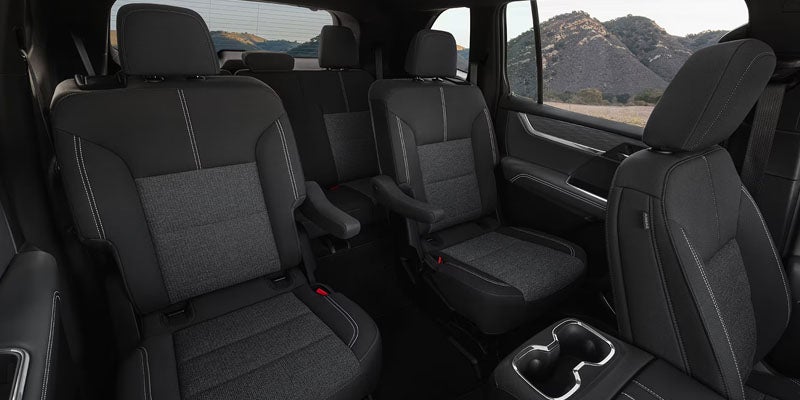
Choosing between the 2026 GMC Yukon and Yukon XL comes down to how you actually use your big SUV. Both share the same powertrains, frame, and tech—but roughly 15 inches of wheelbase makes a real difference when you’re hauling kids, cargo, or a trailer down I-10. This GMC Yukon review breaks down the space, seating, and towing specifics to help you decide which model fits your life. This review is for families, commuters, and anyone considering a full-size SUV for space, towing, and comfort needs in Louisiana and beyond. Choosing the right Yukon model can impact your daily convenience, travel comfort, and long-term satisfaction. Whether you’re navigating city streets, embarking on Gulf Coast road trips, or towing heavy loads, understanding the differences between the Yukon and Yukon XL ensures you make the best decision for your lifestyle. At Ross Downing GMC in Hammond, LA, we see families comparing these two models every week. Some need every inch of third row legroom for teenage passengers on Gulf Coast road trips. Others prioritize easier parking in tighter New Orleans neighborhoods. Here’s what you need to know. more Key specs for the 2026 GMC Yukon: Three-row seating for up to 8 passengers Maximum towing capacity of 8,400 pounds when properly equipped Cargo space behind the third row: approximately 25.5 cubic feet Overall length: around 210 inches on a 120.9-inch wheelbase How the 2026 GMC Yukon XL differs: Extended 134.1-inch wheelbase (roughly 15 inches longer) Overall length: approximately 225 inches Substantially more third row legroom for adult passengers Up to 145 cubic feet of cargo space with all rear seats folded This review focuses specifically on space, seating, and towing differences rather than exhaustive trim breakdowns. If you’re comparing full size suvs like the Ford Expedition, Chevrolet Tahoe, or Suburban, this guide helps narrow your options. Model Lineup & Powertrains (What Both Yukon & Yukon XL Share) The standard Yukon and Yukon XL share identical mechanical foundations. Same frame, same engines, same transmission. The only meaningful difference is physical size and the interior room that comes with it. Available engines for 2026: Engine Horsepower Torque Best For 5.3L V8 355 hp 383 lb-ft Daily driving, occasional towing 6.2L V8 420 hp 460 lb-ft Strong acceleration, frequent towing 3.0L Duramax Diesel 305 hp 495 lb-ft Maximum torque, fuel economy on long hauls All three pair with a 10-speed automatic transmission and offer both 2WD and 4WD configurations. The Yukon Denali features this 10-speed automatic and can accelerate from 0 to 60 mph in 5.9 seconds—impressive performance for a vehicle this size. The diesel engine delivers the highest torque output, making it ideal for sustained towing to Lake Pontchartrain or pulling a camper through state parks. However, gas V8s offer quicker throttle response for drivers who don’t tow regularly. Both Yukon Denali and Yukon Denali Ultimate sit at the top of the lineup with premium features like Bose audio, panoramic moonroof, and available Super Cruise hands-free driving. The Denali Ultimate adds executive seating and advanced comfort features. Mechanical foundations remain consistent across both Yukon and Yukon XL regardless of trim. Interior Space & Seating: Yukon vs. Yukon XL Front Row Comfort The spacious cabin across both models offers an upright driving position with excellent visibility—a feature the driver appreciates immediately when navigating Hammond’s streets or merging onto I-12. The interior design has transitioned to a minimalist appearance, with a large vertically oriented 16.8-inch touchscreen display and fewer physical controls, enhancing the overall user experience. Front row comfort includes wide seats with available heating, ventilation, and massage functions on higher trims. The 11-inch digital instrument cluster keeps information clear without distraction. The center console provides ample storage and easy access to controls. Second Row Options Second row options shape passenger capacity: Bench seating: 8 total passengers Captain’s chairs: 7 passengers with easier third row access The second row seats slide fore and aft, letting you balance legroom between rows. The seat mounting post and support post design influence both comfort and accessibility, making it easier for passengers to enter or exit and adjust their seating position. For families with car seats, the bench maximizes flexibility. Adults traveling regularly prefer captain’s chairs for comfort. Third Row Comparison Third row comparison—the critical difference: Feature Standard Yukon Yukon XL Headroom ~38 inches ~38 inches Legroom ~34.9 inches ~42 inches Best suited for Kids, shorter adults, occasional use Adults, teens, daily use In the standard Yukon, third row room works for children and shorter adults on shorter trips. Taller passengers sitting back there on a three-hour drive to the Gulf Coast will notice a knees-up position. The Yukon XL’s extended wheelbase changes everything. That extra legroom makes the third row genuinely adult-usable—passengers can stretch out during the drive from Baton Rouge to New Orleans without feeling cramped. Our recommendation: Third row used daily by teens or adults → Yukon XL Third row for occasional use, tight garage → Standard Yukon Rear Seat Entertainment The Yukon Denali Ultimate includes a rear seat entertainment system with two 12.6-inch touchscreens, keeping passengers occupied during travel. This feature transforms long drives for kids who might otherwise hate sitting for hours. Cargo Space & Everyday Practicality Cargo Volume Comparison This is where the Yukon vs. Yukon XL decision becomes most tangible. When you’re loading stuff for youth sports, groceries, or a camping trip, that extra length translates directly into usable cargo area. Cargo volume comparison: Configuration Standard Yukon Yukon XL Behind third row 25.5 cu ft 41.5 cu ft Behind second row 72.6 cu ft 93.8 cu ft Maximum (seats folded) 122.8 cu ft 145 cu ft The standard Yukon’s cargo space behind the third row fits a large stroller plus a couple of suitcases comfortably. The Yukon XL nearly doubles that, swallowing tons of gear without folding any seats. For families packing for week-long trips, this difference matters. Both offer a flat load floor and power-folding third row that makes reconfiguring straightforward. Available hands-free power liftgate helps when your arms are full in parking lots around Covington or Hammond. Garage Fit Considerations Garage fit considerations: The Yukon XL’s added length—roughly 225 inches total—can challenge older 20-foot garages and tight downtown parking. If you regularly park in urban New Orleans, the shorter Yukon handles parallel parking and cramped spots more easily. Which Suits You? Which suits you? Frequent road trips with full passenger load and luggage → Yukon XL Mostly local driving with occasional cargo needs → Standard Yukon Limited garage space or urban parking → Standard Yukon Towing Capability & Long-Haul Comfort Towing Capacity Overview The GMC Yukon is a full-size SUV noted for its massive interior space, significant towing capacity, and premium technology features. Maximum towing reaches 8,400 pounds for properly equipped 2WD V8 models, with slight reductions for 4WD configurations and heavier Denali trims. Engine Performance When Towing How each engine performs when towing: 5.3L V8: Adequate for weekend boat runs; smooth highway passing 6.2L V8: Stronger acceleration; confident with heavier loads Duramax Diesel: Best torque delivery and fuel economy for sustained pulls; ideal for frequent towers The diesel’s 495 lb-ft of torque provides commanding low-end grunt that V8s can’t match. For pulling boats to Lake Pontchartrain or campers across state lines, the diesel engine earns its keep through better highway mileage and range approaching 640 miles. Available Trailering Technology Available trailering technology: Integrated trailer brake controller Hitch guidance with camera views Trailer sway control Transparent trailer view The GMC Yukon is equipped with an adaptive air suspension system that enhances ride comfort and handling, allowing for adjustments in ground clearance for improved off-road capability. This air suspension self-levels when loaded, reducing rear squat and maintaining a comfortable ride for all three rows of passengers. Stability Differences Stability differences: The Yukon XL’s longer wheelbase creates a more planted feel with heavier trailers at highway speeds. Less pitch and bounce means more confident control when you’ve got a boat behind you. Towing Tips from Our Hammond Team Towing tips from our Hammond team: Know your payload limits (typically 1,500–2,000 lbs depending on configuration) Maintain proper tongue weight (10–15% of trailer weight) Visit Ross Downing GMC for hitch setup and pre-trip inspections Consider diesel if you tow monthly or more Driving Experience & Technology Beyond space and towing, daily driving comfort shapes your ownership experience. Whether you’re commuting between Hammond and Baton Rouge or running errands in the world of suburban traffic, both Yukons feel manageable despite their size. The latest generation brings refined steering, improved brakes, and cabin insulation that keeps cruise noise around 66 dBA—quiet enough to hold conversations without raising your voice. The standard Yukon’s shorter footprint feels more nimble in parking lots, while the Yukon XL trades some maneuverability for highway stability. Key technology highlights: 16.8-inch touchscreen with Google built-in navigation Wireless Apple CarPlay and Android Auto 11-inch digital driver display Wi fi hotspot connectivity The 2026 GMC Yukon introduced a more conventional steering column shifter, addressing complaints about the push-button gear selector The 2026 GMC Yukon Denali Ultimate comes equipped with over 15 standard safety and driver-assistance features, including automatic emergency braking, blind zone steering assist, and rear cross-traffic braking. The Super Cruise system allows for semi-autonomous driving on over 750,000 miles of mapped divided highways, with safety features that monitor driver engagement. This feature works even while towing on compatible routes. The Super Cruise system in the GMC Yukon allows for semi-autonomous driving on over 750,000 miles of mapped divided highways, with safety features that monitor driver engagement and can safely pull the vehicle over if the driver is incapacitated. The GMC Yukon includes a rear camera mirror that enhances visibility behind the vehicle, helpful when the cargo area is stacked to the windshield. Night vision capability on higher trims adds another layer of awareness. Must-have options our team recommends: Adaptive air suspension (for towing and a smoother ride) Rear camera mirror (essential for loaded cargo situations) 360-degree camera (makes parking the big daddy of SUVs much easier) Some drivers compare the Yukon to a minivan for family duty, but the Yukon delivers truck-based capability with premium suv refinement. It’s a different vehicle entirely—built on a frame designed to pull, not just carry. Trims, Pricing & Value in the Real World Understanding where value lands helps you connect features to budget. Most buyers in the Hammond, Baton Rouge, and New Orleans area find their sweet spot somewhere between entry-level and fully loaded luxury. 2026 trim lineup (both Yukon and Yukon XL): SLE/Elevation: Value entry with cloth seats and core tech SLT: Leather, upgraded display, enhanced comfort AT4: Off-road styling, all-terrain tires, lifted suspension Denali: Luxury focus with premium materials and Bose audio Denali Ultimate: Top-tier luxury with massaging seats and executive features The base price of the 2026 GMC Yukon starts at $69,395 for the Elevation trim and goes up to $79,695 for the Denali trim. The Yukon XL typically adds $3,000–$5,000 to each corresponding trim. The fully loaded 2026 GMC Yukon Denali Ultimate can reach a price of $107,285, depending on the options selected. The GMC Yukon is positioned as a more affordable alternative to the Cadillac Escalade, with a price difference of approximately $10,600 between the two models. You get similar space and capability without crossing into that luxury price tier. Fuel economy expectations: V8 models: Mid-teens combined (14–18 mpg) Diesel: Up to 21 city/26 highway mpg for 2WD models For long-distance travel between regional cities, the diesel’s efficiency advantage compounds over three years of ownership. Best value picks: SLT Yukon: Solid features for mixed city use Yukon XL SLT or AT4: Bigger families needing daily third-row access Denali diesel: Frequent towers prioritizing highway range GM’s warranty coverage—3-year/36,000-mile basic and 5-year/60,000-mile powertrain—supports long-term value. Our service department at Ross Downing GMC handles every maintenance visit with GM Genuine Parts and certified technicians. Buying in Hammond, LA: Yukon vs. Yukon XL for Your Lifestyle Shoppers across Hammond, Baton Rouge, Covington, and New Orleans share common needs: room for families, towing for boats and campers, and vehicles that handle Gulf Coast road trips without compromise. Quick decision guide: Your Situation Best Choice Three kids, daily third-row use Yukon XL Occasional third-row, tight garage Standard Yukon Frequent towing with full family load Yukon XL Primarily local driving, weekend trips Standard Yukon Youth sports equipment + passengers Yukon XL At Ross Downing GMC, we stock both 2026 Yukon and Yukon XL models for back-to-back test drives. Feeling the size difference in person—especially when loading cargo or adjusting second row configurations—clarifies the choice faster than any spec sheet. For budget-conscious buyers, certified pre-owned Yukon and Yukon XL options offer multi-point inspections, factory-backed warranty, and roadside assistance at lower price points. Ready to move forward? Schedule a test drive to compare both models Browse current Yukon and Yukon XL inventory online Contact our team for towing setup advice, accessory recommendations, and financing options The GMC Yukon has received mixed customer sentiment overall, with aggregate ratings landing around 3 to 3.6 out of 5 stars—but individual satisfaction depends heavily on matching the right model to your specific needs. That’s exactly why test driving both matters. Whether you choose the standard Yukon or stretch to the XL, you’re getting a vehicle engineered for real family life, real towing demands, and real Louisiana roads. The right choice comes down to your third row needs, cargo expectations, and how often you pull a trailer—not just the badge on the tailgate.

GMC A/C & HVAC Service Guide: Spring Maintenance, Common Issues, and Service Timing

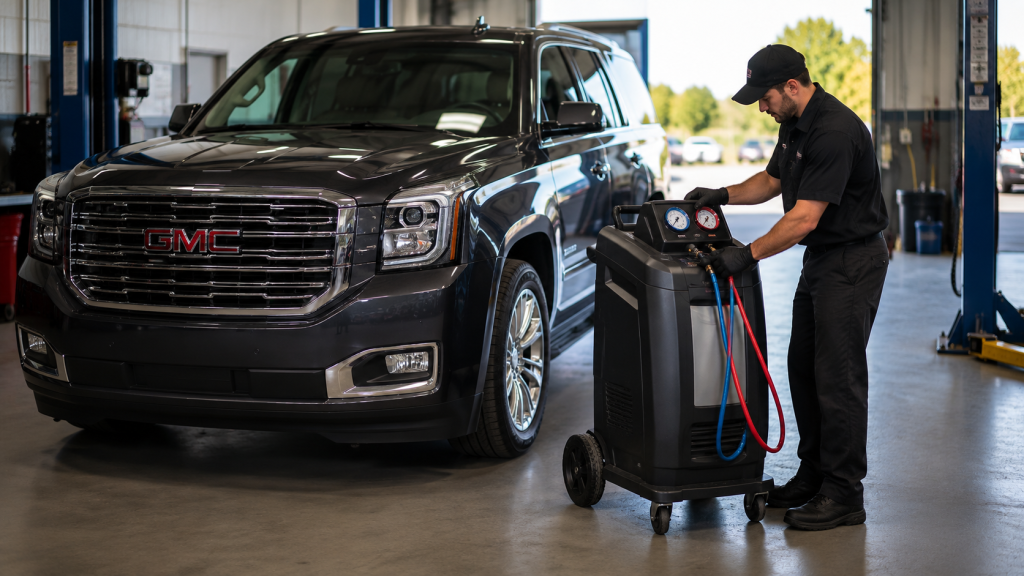
Your vehicle’s air conditioning system is easy to take for granted until it stops working the way you expect. Many drivers only start researching HVAC service when the air is no longer cold, airflow feels weak, or unusual smells begin coming through the vents. In GMC trucks and SUVs, the HVAC system is designed to manage both temperature and airflow through a coordinated set of components that move and cool air throughout the cabin. Understanding how that system works, what causes common issues, and when service should be performed helps drivers maintain consistent comfort and avoid larger repairs as temperatures rise. How the GMC HVAC System Controls Airflow and Temperature Many drivers ask how their vehicle’s AC system actually works and why multiple components are involved in producing cold air. The GMC HVAC system uses a closed refrigerant cycle combined with airflow controls to regulate cabin temperature. The process begins with the GMC AC compressor, which pressurizes refrigerant and moves it through the system. As the refrigerant circulates, it releases heat through the condenser and absorbs heat inside the cabin through the evaporator. This heat exchange is what creates cold air. more At the same time, the GMC blower motor pushes air across the evaporator and into the cabin through the vents. The system relies on both proper refrigerant pressure and consistent airflow to function correctly. If either side of this system is disrupted, cooling performance is affected. That is why understanding both airflow and temperature control is essential when diagnosing HVAC issues. Why Your GMC AC May Not Be Cooling Properly Many drivers searching for HVAC issues ask why their car AC is not blowing cold air. Cooling problems are typically related to how the refrigerant system is operating rather than how air is moving through the vents. When the GMC refrigerant system is functioning correctly, it absorbs heat from the cabin and releases it outside the vehicle. If refrigerant levels are low or system pressure is off, that heat exchange process becomes less effective. Common causes of reduced cooling include: Low refrigerant levels due to small leaks in the system AC compressor wear that reduces pressure and circulation Condenser blockage that prevents proper heat release Expansion valve or system restriction affecting refrigerant flow Each of these issues impacts the system’s ability to remove heat from the cabin. In many cases, the air may still be blowing strongly, but it will not feel cold. Understanding this distinction helps drivers identify whether the issue is related to cooling performance rather than airflow. How Airflow Issues Affect Cabin Comfort Drivers often assume weak airflow and lack of cooling are the same problem, but they originate from different parts of the GMC HVAC system. Airflow issues affect how much air reaches the cabin, regardless of temperature. The most common cause of restricted airflow is the GMC cabin air filter. Over time, the filter collects dust, debris, and contaminants, which can block airflow into the cabin. Other airflow-related issues can include: Reduced blower motor performance Blocked or restricted air vents Debris buildup within the ventilation system When airflow is restricted, even properly cooled air cannot circulate effectively. This can make the cabin feel warmer than it should, even if the AC system is functioning correctly. Replacing the cabin air filter and maintaining clean airflow pathways are some of the simplest ways to restore HVAC performance. When GMC HVAC Service Should Be Scheduled Many drivers ask how often AC service should be performed and whether it is necessary if the system appears to be working. HVAC service is most effective when performed before peak demand rather than after a problem develops. Spring is typically the ideal time to inspect the GMC HVAC system. During colder months, the AC system is used less frequently, which can allow minor issues such as refrigerant loss or seal wear to go unnoticed. Scheduling service before summer helps identify: Gradual refrigerant loss that reduces cooling performance Early compressor wear that may lead to failure under heavy use Cabin air filter buildup that restricts airflow Minor system leaks that can worsen over time Addressing these issues early helps ensure the system performs consistently when temperatures rise and demand increases. What Happens During an AC Service Inspection Drivers often wonder what is actually checked during an HVAC service appointment. A proper GMC AC service inspection evaluates both the refrigerant system and airflow components to ensure the system is operating as intended. A typical inspection may include: Checking refrigerant pressure levels to ensure proper system operation Inspecting the AC compressor and related components for wear Evaluating the condenser and evaporator for blockages or damage Replacing or inspecting the cabin air filter Verifying airflow output and vent performance This process allows technicians to identify both current issues and potential future problems. Rather than waiting for a complete system failure, regular inspection helps maintain performance and extend the life of HVAC components. Final Perspective on GMC HVAC Maintenance The GMC HVAC system is designed to provide consistent comfort by balancing airflow and temperature control, but it depends on multiple components working together correctly. Cooling issues, airflow restrictions, and seasonal wear can all affect how the system performs over time. By understanding how the system operates and recognizing early signs of reduced performance, drivers can take a more proactive approach to maintenance. Scheduling service in the spring, maintaining airflow through clean filters, and addressing minor issues early helps ensure reliable performance throughout warmer months. For drivers who want consistent comfort and fewer unexpected repairs, regular HVAC inspection and maintenance provide a practical way to keep the system operating as intended.

GMC Towing Technology Guide: ProGrade Trailering, Hitch Assist, and What’s New for 2026

Towing capability is often measured in pounds, but for most drivers, the real challenge is not how much a vehicle can tow. It is how confidently and consistently that load can be managed on the road. Many shoppers researching GMC trucks and SUVs are trying to understand what features like ProGrade Trailering, Hitch Guidance, and trailer camera systems actually do, and how they change the towing experience. GMC approaches towing as a connected system rather than a collection of individual features, combining cameras, sensors, and vehicle controls to reduce guesswork and improve stability. Understanding how these systems work helps explain why towing technology matters just as much as towing capacity. How GMC ProGrade Trailering Works as a Complete System Many drivers ask what GMC ProGrade Trailering actually is and whether it is just a marketing name for standard towing features. ProGrade Trailering is a fully integrated system that combines multiple technologies to support every stage of towing, from hitching to highway driving. Instead of operating independently, each component within the GMC ProGrade Trailering system shares data and works together. Cameras provide visual feedback, sensors monitor trailer behavior, and onboard systems adjust braking and power delivery as needed. more This coordination allows the vehicle to respond to towing conditions in real time. For example, if the system detects trailer sway, it can apply selective braking while also adjusting engine output. At the same time, camera views help the driver maintain awareness of the trailer’s position relative to the road. The result is not just added convenience, but a more controlled towing experience where the vehicle actively supports the driver rather than relying entirely on manual input. How Hitch Guidance and Hitch Assist Simplify Trailer Connection Many first-time towing users ask how GMC Hitch Guidance works and whether it actually makes hitching easier. Hitch Guidance is a camera-based system that uses visual overlays to help align the vehicle’s hitch with the trailer coupler. When reversing toward a trailer, the system displays a camera view with guidelines that show the vehicle’s projected path. This allows the driver to make precise adjustments without needing a second person to guide them. Hitch Assist builds on this by helping automate parts of the process. In certain configurations, the system can assist with steering inputs to help guide the vehicle into alignment with the trailer. Together, these systems reduce the trial-and-error typically involved in hitching: Drivers can align the hitch more accurately using on-screen guidance Fewer adjustments are needed when backing into position The need for a spotter is reduced in many situations For drivers who tow occasionally or are new to trailering, this significantly lowers the barrier to entry. How GMC Camera Systems Improve Visibility While Towing Visibility is one of the biggest challenges when towing, especially with longer or wider trailers. Many shoppers ask how GMC towing cameras work and whether they provide meaningful advantages beyond a standard backup camera. GMC camera systems extend the driver’s field of view by offering multiple perspectives around the vehicle and trailer. These include rear views, side views, and in some cases, composite views that simulate a more transparent look behind the trailer. This expanded visibility helps drivers: Monitor lane positioning while towing See around the trailer when changing lanes or merging Back up more accurately in tight spaces By providing a clearer picture of the vehicle’s surroundings, these camera systems reduce blind spots and help drivers make more confident decisions on the road. How Trailer Sway Control Maintains Stability Drivers often ask what trailer sway control does and how it works during real towing situations. Trailer sway control is a stability system designed to detect and correct unwanted trailer movement, particularly at higher speeds. When the GMC system detects sway, it responds by applying targeted braking to specific wheels and adjusting engine power. This helps bring the trailer back into alignment with the vehicle. The system operates continuously while towing, monitoring for conditions such as crosswinds, uneven loads, or sudden steering inputs that can cause instability. This matters most in situations like: Highway driving at higher speeds Passing or being passed by large vehicles Driving in windy conditions By actively correcting instability, trailer sway control reduces the likelihood of loss of control and helps maintain a more predictable driving experience. Why Towing Technology Matters More Than Towing Capacity Alone Many buyers focus on towing capacity numbers when comparing vehicles, but those numbers only represent the maximum load under ideal conditions. Real-world towing involves constant adjustments, changing road conditions, and driver input. GMC towing technology addresses these variables by making towing more manageable rather than simply more powerful. Key differences between capacity and capability include: Towing capacity defines how much weight the vehicle can pull Towing technology determines how stable and controlled that load feels Integrated systems reduce driver workload and improve confidence For many drivers, especially those towing regularly or over long distances, the ability to manage a load comfortably is just as important as the ability to move it. What’s New for 2026 GMC Towing Technology As GMC continues to refine its towing systems, newer models build on the foundation of ProGrade Trailering with improved integration and usability. Updates for 2026 focus on enhancing how drivers interact with these systems and how information is presented during towing. This includes refinements to camera clarity, system responsiveness, and how towing data is displayed through the vehicle’s interface. Rather than introducing entirely new systems, GMC continues to improve how existing technologies work together. This reinforces the idea that towing support is most effective when it functions as a connected system rather than a set of isolated features. Final Perspective on GMC Towing Technology GMC towing technology is designed to reduce the complexity of towing by combining multiple systems into a coordinated platform. From hitching assistance to real-time stability control, these features work together to support the driver at every stage. Understanding how systems like ProGrade Trailering, Hitch Guidance, and trailer sway control function helps clarify what drivers gain beyond raw towing numbers. For those who tow regularly or want a more controlled experience behind the wheel, these technologies provide practical advantages that extend beyond capability into everyday usability.

Used GMC Canyon Buyer’s Guide: Best Years, Trims, and What to Look For (2017–2025)

Buying a used midsize truck often comes down to balancing capability, price, and long-term reliability. Many shoppers considering a used GMC Canyon are trying to figure out which model years offer the best value, which trims fit their needs, and what to check before making a purchase. The GMC Canyon has evolved significantly between 2017 and 2025, and understanding those changes is key to making a confident decision. Instead of treating all used models the same, it helps to break down how the truck has developed over time and how those differences affect real-world ownership. How the GMC Canyon Changed Between 2017 and 2025 Many buyers ask whether all used GMC Canyon models are essentially the same or if newer versions are worth the higher price. The reality is that the Canyon spans two distinct generations during this range, and those differences directly impact performance, features, and driving experience. The 2017 through 2022 GMC Canyon represents the later years of the second generation. These models offer multiple engine options, including a gasoline V6 and an available diesel engine known for strong torque and towing capability. The interior layout is more traditional, with a straightforward infotainment system and physical controls. Starting in 2023, the GMC Canyon was redesigned. The newer generation shifts toward a more modern cabin, updated technology, and a different powertrain approach focused on a turbocharged engine. This changes how the truck delivers power, particularly in low-end torque and responsiveness. For used buyers, this means you are not just choosing a model year. You are deciding between two different design philosophies: more 2017–2022 GMC Canyon models offer engine variety, including diesel, and a simpler interior layout 2023–2025 GMC Canyon models focus on updated technology, a redesigned cabin, and a turbocharged powertrain Understanding this split helps narrow down which version of the Canyon aligns with your priorities before you even look at trims or features. Which Used GMC Canyon Years Make the Most Sense for Different Buyers Many shoppers searching for the best used GMC Canyon year expect a single answer, but the best choice depends on how the truck will be used. For buyers focused on value and proven reliability, later second-generation models tend to stand out. A 2020–2022 GMC Canyon often includes updated features while still benefiting from a platform that had several years of refinement. For buyers who want newer technology and a more modern interior, the redesigned 2023–2025 GMC Canyon offers a more current driving experience. The updated interface, improved connectivity, and revised powertrain can make daily driving feel more responsive and connected. For towing or torque-focused buyers, earlier diesel-equipped GMC Canyon models can be especially appealing due to how diesel engines deliver low-end pulling power. Instead of looking for a single best year, it helps to match the model year to your priorities: Value-focused buyers often gravitate toward 2020–2022 GMC Canyon models Technology-focused buyers may prefer 2023–2025 GMC Canyon models Towing-focused buyers may look for diesel-equipped 2017–2022 models This approach provides a more accurate way to define what “best” actually means for your situation. Used GMC Canyon Trims Explained Through Real-World Use Shoppers often ask which GMC Canyon trim is the best, but trims are designed around different types of drivers rather than a single hierarchy. The used GMC Canyon Elevation trim is typically the entry point for many buyers. It focuses on everyday usability, offering the core features most drivers need without adding unnecessary complexity. This makes it a practical choice for commuting and general use. The GMC Canyon AT4 trim is designed for drivers who expect to leave paved roads. Its off-road-focused setup includes features that improve traction and control on uneven terrain. For buyers who plan to camp, explore trails, or drive in more rugged conditions, this trim aligns with those needs. The GMC Canyon Denali trim shifts toward comfort and refinement. It emphasizes interior materials, additional technology, and a more premium feel, which makes it well suited for drivers who want their truck to function as both a utility vehicle and a daily driver. Rather than choosing based on features alone, it helps to evaluate trims based on how the truck will be used: Elevation for daily driving and value-focused ownership AT4 for off-road capability and outdoor use Denali for comfort, technology, and a more refined driving experience Matching the trim to your driving habits is more effective than trying to identify a universally “best” option. What to Check Before Buying a Used GMC Canyon Many buyers ask what problems to look for in a used GMC Canyon. A used vehicle inspection is less about expecting failure and more about understanding how the truck has been used and maintained. A used GMC Canyon should be evaluated across several key areas: Transmission behavior during acceleration and shifting, especially under load Suspension condition, including signs of wear from towing or off-road use Service history, including regular maintenance and any major repairs Brake condition and overall wear components Interior electronics and infotainment responsiveness Each of these areas provides insight into how the truck was used by its previous owner. For example, uneven suspension wear may suggest frequent towing or rough terrain use, while inconsistent maintenance records can signal potential long-term reliability concerns. Instead of focusing only on mileage, buyers should evaluate how the vehicle was driven and maintained over time. How to Decide Which Used Canyon Is the Best Fit Choosing the right used GMC Canyon comes down to aligning the truck with your actual driving needs rather than trying to find the most popular model year or trim. Buyers who prioritize affordability and simplicity may find the most value in later second-generation models. Those who want updated technology and a more modern feel may prefer the redesigned Canyon. Drivers who plan to tow or explore off-road environments should prioritize trims and configurations that support those activities. The most effective way to narrow your decision is to consider: How often the truck will be used for towing or hauling Whether off-road capability is necessary or occasional How important modern technology and cabin design are The balance between purchase price and long-term ownership expectations By focusing on these factors, buyers can move beyond general rankings and identify the used GMC Canyon that actually fits their lifestyle. Final Perspective on Buying a Used GMC Canyon The GMC Canyon remains a strong option in the used midsize truck market because it offers a range of configurations that suit different types of drivers. From diesel-powered second-generation models to the redesigned, technology-focused newer versions, the Canyon provides flexibility that many competitors do not. Understanding how the truck evolved between 2017 and 2025, how trims are positioned, and what to look for during inspection allows buyers to approach the process with more clarity. Rather than searching for a single best version, the goal should be to find the Canyon that matches how you plan to use it every day.

2026 GMC Yukon XL Feature Breakdown: Space, Towing, and Trim Differences Explained

The 2026 GMC Yukon XL is designed for drivers who need more than just a full size SUV. Many shoppers comparing the Yukon and Yukon XL are trying to understand what the added length actually changes in everyday driving, passenger comfort, and towing capability. The Yukon XL builds on the standard Yukon platform by extending the wheelbase and cargo area, which directly impacts how the vehicle performs when carrying people, hauling gear, or pulling a trailer. Understanding how those differences translate into real world use helps determine whether the Yukon XL is the right fit. Yukon vs Yukon XL Size Differences and What They Change Many shoppers researching full size SUVs ask what the difference between the Yukon and Yukon XL actually is. The primary difference is wheelbase length, which extends the overall body of the 2026 GMC Yukon XL and changes how the SUV distributes space and weight. The 2026 GMC Yukon XL wheelbase is longer than the standard Yukon, which increases rear cargo volume and third row legroom. This added length also affects how the vehicle rides on the road. A longer wheelbase allows the suspension to absorb road imperfections more gradually, which can create a smoother experience during highway driving. more However, the added size does influence maneuverability. The 2026 GMC Yukon XL requires a slightly wider turning radius compared to the standard Yukon. For drivers navigating tight parking lots or urban streets, this is an important consideration. In contrast, for long distance driving or highway travel, the extended wheelbase improves stability and reduces pitch movement over uneven surfaces. For buyers deciding between the two, the difference is not just size. It is how that size changes comfort, ride quality, and usability. How the 2026 GMC Yukon XL Uses Its Extra Space Many families searching for a full size SUV focus on cargo space, but understanding how that space is used matters more than the total cubic feet measurement. The 2026 GMC Yukon XL cargo area is designed to maintain usable storage even when all three rows are occupied. Unlike shorter SUVs where the third row significantly reduces cargo room, the Yukon XL’s extended body allows for meaningful storage behind the third row. This makes a difference for real world scenarios such as road trips, sports equipment transport, or airport travel with multiple passengers. The 2026 GMC Yukon XL interior also improves passenger comfort through its seating layout. The additional length allows for better spacing between rows, which directly impacts legroom and seat positioning. Third Row Space and Real Family Use Many three row SUVs include a third row, but not all of them are designed for consistent use. In the 2026 GMC Yukon XL, the third row is part of the core interior design rather than an afterthought. Because of the extended wheelbase and seat positioning, the third row provides usable space for both kids and adults. Passengers are able to sit with a more natural posture, with improved knee clearance and a seat height that better supports longer trips. This changes how families can use the vehicle day to day: Adults can comfortably rotate into the third row during carpools or group travel Children and teens have more space to sit without feeling confined Long distance trips do not require limiting seating to the first two rows The second row also plays a role in this. With sliding and adjustable positioning, families can shift space between rows depending on passenger needs, allowing the third row to remain functional even with a full cabin. For households that regularly use all three rows, this is one of the most important advantages of the Yukon XL’s design. Key real world benefits of the Yukon XL interior layout include: Third row seating that can accommodate adults more comfortably on longer trips Space for luggage or gear without folding down seats More flexible cargo configurations for mixed passenger and storage needs For families or drivers who regularly travel with passengers and cargo at the same time, the Yukon XL provides a more practical balance between seating and storage. Towing Capability and Stability in the Yukon XL Many shoppers ask what the towing capacity of the 2026 GMC Yukon XL is, but towing performance is not just about the maximum weight rating. It also depends on how the vehicle manages that load while in motion. The 2026 GMC Yukon XL towing capacity is supported by its engine options and chassis design, but one of the most important advantages comes from its longer wheelbase. A longer vehicle creates a more stable platform when towing, which helps reduce trailer sway and improves control at highway speeds. The Yukon XL’s towing performance is influenced by several key factors: Wheelbase length, which improves trailer tracking and stability Suspension tuning, which helps manage weight distribution Available trailering technologies that assist with hitching and monitoring For drivers towing boats, campers, or utility trailers, the Yukon XL provides not only the strength to pull heavier loads but also the stability to manage them more confidently. This is especially important for long distance towing, where consistent control matters as much as raw capability. GMC Yukon XL Trim Levels Explained Through Real World Use Shoppers comparing trims often focus on features, but the 2026 GMC Yukon XL trim lineup is better understood by how each version is designed to be used. The Yukon XL offers trims that align with different driving priorities, from off road capability to long distance comfort. The 2026 GMC Yukon XL AT4 is designed for drivers who need capability beyond paved roads. Its off road oriented features and traction systems make it better suited for uneven terrain, towing in rugged environments, or outdoor travel. The 2026 GMC Yukon XL Denali focuses on refinement and everyday usability. It balances advanced technology, comfort features, and strong performance for drivers who want a premium driving experience without sacrificing capability. The 2026 GMC Yukon XL Denali Ultimate builds on that foundation with additional interior detail, advanced technology integration, and enhanced driver experience features, making it well suited for long distance travel and high comfort expectations. Instead of choosing based on feature lists alone, buyers should evaluate how each trim supports their driving habits. The differences are not just about materials or technology, but how the vehicle performs in specific environments. Who Should Choose the Yukon XL Over the Standard Yukon Many buyers ask if the Yukon XL is worth the added size. The answer depends on how the vehicle will be used on a daily basis. The 2026 GMC Yukon XL is a better fit for drivers who regularly need maximum interior space and towing stability. This includes larger families, frequent travelers, and drivers who tow heavier loads or carry equipment. The Yukon XL is typically the better choice if you: Frequently use all three rows and still need cargo space Travel long distances with passengers and luggage Tow trailers where stability is a priority Prefer a smoother ride on highways and open roads For drivers who prioritize easier maneuverability in tighter environments or do not need the additional cargo space, the standard Yukon may be more practical. However, for those who consistently push the limits of space and capability, the Yukon XL provides clear functional advantages. Final Perspective on the 2026 GMC Yukon XL The 2026 GMC Yukon XL is not simply a larger version of the Yukon. Its extended wheelbase changes how the SUV performs, how it carries passengers, and how it handles towing. These differences make it a more capable option for drivers who need space and stability without compromising everyday usability. Understanding how size, engineering, and trim design work together allows shoppers to make a more informed decision. For those who need a full size SUV that supports both passenger comfort and real world capability, the Yukon XL delivers a balanced solution built for practical use.

GMC Battery & Electrical Service Guide: Warning Signs and When to Replace Your Battery

Modern GMC vehicles rely on stable electrical voltage to operate far more than just the starter motor. From digital displays and fuel management systems to advanced driver assistance technology, your battery supports nearly every system the moment you press the start button. Understanding how the battery works, how long it should last, and how to identify early warning signs helps prevent unexpected breakdowns. Voltage Stability and Modern GMC Electrical Systems Older vehicles relied heavily on mechanical systems. Today’s GMC models use networked electronic control modules that communicate constantly. These modules require consistent voltage to function correctly. Your battery supports: more Engine control module ignition sequencing Fuel injection timing Infotainment system startup Power steering assistance Advanced safety sensors and camera systems If voltage drops below stable thresholds, systems may behave unpredictably before the vehicle even fails to start. Electrical glitches, warning lights, or inconsistent screen behavior can all trace back to battery degradation. Typical GMC Battery Lifespan and What Affects It Most factory installed batteries last between three and five years. Several variables influence that range: Climate conditions Driving frequency Electrical accessory load Charging system health In colder climates, battery chemistry slows. Cold temperatures reduce available cold cranking amps, which measure the battery’s ability to start an engine in low temperatures. A battery that functions adequately in mild weather may struggle once temperatures drop. Short trip driving can also shorten battery life. If the engine runs for only a few minutes at a time, the alternator may not fully recharge the battery after each start cycle. Recognizing Early Battery Failure Symptoms Battery failure rarely occurs without warning. Common indicators include: Slower than normal engine cranking Clicking sound when turning the key or pressing start Dim headlights at idle Flickering interior lights Dashboard battery warning light Random electrical malfunctions A slow crank is often the first mechanical sign. This occurs because the battery cannot deliver sufficient amperage to the starter motor. Electrical irregularities may appear before a complete no start condition. Modern systems are sensitive to voltage fluctuations, so minor battery weakness can trigger warning messages even when the vehicle still starts. Battery vs Alternator: Understanding the Difference Many drivers confuse battery and alternator failure because symptoms overlap. The battery’s role: Stores electrical energy Provides high amperage for engine starting Stabilizes system voltage The alternator’s role: Generates electricity once the engine is running Recharges the battery Powers electrical systems during operation If a vehicle starts but dies while driving, the alternator may not be charging. If the vehicle struggles to start but runs normally once running, the battery is often the issue. A professional diagnostic test measures both static voltage and load response. A battery can show proper voltage at rest but fail under load. Load testing simulates starting conditions to determine whether the battery can sustain required amperage. Why Winter Accelerates Battery Failure Cold temperatures increase engine oil viscosity, requiring more energy to crank the engine. At the same time, chemical reactions inside the battery slow down, reducing available power output. This combination makes winter the most common season for battery replacement. Vehicles with remote start systems or heavy accessory use also draw more standby power. Over time, parasitic drain can weaken older batteries more quickly. Corrosion and Terminal Maintenance Battery terminals should be inspected for corrosion buildup. Corrosion appears as white or bluish residue around terminal posts and cable connections. Corrosion can: Increase electrical resistance Reduce charging efficiency Create intermittent starting issues Cleaning terminals and ensuring tight cable connections helps maintain charging performance. When to Replace Instead of Test If your battery is approaching four years of age and early symptoms appear, replacement is often more practical than repeated testing. Waiting until complete failure risks being stranded. Replacement timing should consider: Age of the battery Climate exposure Starting consistency Voltage test results A healthy battery typically reads around 12.6 volts at rest. Significantly lower resting voltage can indicate degradation. Electrical Diagnostics Beyond the Battery If battery testing confirms proper operation but issues persist, technicians evaluate: Alternator output voltage Parasitic drain levels Starter motor current draw Wiring harness integrity Modern GMC vehicles include onboard diagnostic systems that can log voltage related faults. Identifying the correct source prevents unnecessary part replacement. Planning for Battery Service Battery replacement is preventative maintenance. Addressing weakness before total failure protects: Electronic control modules Sensitive infotainment systems Charging system components Routine inspections during oil changes can identify corrosion, mounting looseness, or voltage irregularities early. For GMC owners in the Hammond area, the service team at Ross Downing GMC can perform comprehensive battery and charging system diagnostics to ensure your vehicle’s electrical systems remain stable and reliable year round.

GMC Financing Guide for 2026: Rates, Incentives, and Loan Options Explained

Financing a new GMC in 2026 is not just about the monthly payment. Buyers are evaluating interest rates, promotional APR offers, manufacturer incentives, credit requirements, and whether leasing or financing makes more long term sense. Understanding how these systems work helps you structure a deal that aligns with your financial goals rather than reacting to a headline rate. This guide explains how GMC financing works, what to realistically expect in 2026, and how to evaluate incentives and loan structures. How GM Financial Structures Auto Loans Most new GMC vehicles are financed through GM Financial, the manufacturer’s captive finance arm. A captive lender allows GMC to offer promotional APR rates and incentive combinations that may not be available through outside banks. Loan approval is typically based on: more Credit score tier placement Debt to income ratio Loan to value ratio Employment and income verification Rates are tier based. Buyers with stronger credit profiles qualify for lower APR offers, while buyers with moderate credit may see higher interest rates reflecting lender risk. Typical new vehicle loan terms include: 48 months 60 months 72 months Occasionally 84 months depending on vehicle and credit profile The longer the term, the lower the monthly payment, but the higher the total interest paid over the life of the loan. Understanding Promotional APR and 0 Percent Financing One of the most common questions is whether 0 percent financing is available. Promotional APR offers are manufacturer supported incentives designed to move specific models. Key mechanics behind 0 percent APR: Only available to top tier credit profiles Often limited to specific models or trims May require shorter loan terms such as 36 or 48 months Sometimes cannot be combined with certain cash rebates For example, a buyer may have to choose between: 0 percent APR for 36 months Or a cash rebate with standard interest financing The better option depends on purchase price, loan amount, and credit tier. In many cases, buyers with strong credit benefit more from promotional APR than cash incentives, but calculations should be done both ways. Credit Score Expectations for GMC Financing While exact thresholds vary, general expectations include: 720 and above typically qualifies for best tier rates 660 to 719 may qualify for mid tier financing Below 660 may require higher APR or larger down payment Credit score alone is not the only factor. Lenders also evaluate payment history, outstanding debt, and loan history. Buyers with less than ideal credit can still secure financing, but rates will reflect increased lending risk. In these cases, shortening loan term or increasing down payment can reduce total interest exposure. Incentives and Rebates in 2026 Manufacturer incentives typically fall into several categories: Customer cash rebates Loyalty incentives for current GMC owners Military or first responder discounts Conquest offers for switching brands Regional incentives tied to inventory supply Incentives vary by region and by model. Trucks and high demand SUVs may have different incentive structures compared to slower moving inventory. Rebates directly reduce the purchase price, which lowers the financed amount and reduces total interest paid over the loan. It is important to understand that dealer discounts and manufacturer incentives are separate. Manufacturer rebates are funded by GMC. Dealer discounts are negotiated at the dealership level. Lease Versus Finance: Ownership Strategy Buyers comparing lease versus finance should evaluate long term ownership goals. Financing means: You build equity in the vehicle There are no mileage penalties You retain full ownership at the end of the loan Monthly payments are generally higher than lease Leasing means: Lower monthly payments Mileage restrictions No long term ownership unless you buy out the lease Potential lower upfront cost Leasing often works well for drivers who prefer newer vehicles every few years and maintain predictable mileage. Financing works better for drivers planning long term ownership or high annual mileage use. Loan Term Impact on Total Cost Extending a loan from 60 months to 72 months lowers monthly payment but increases total interest. Example structure comparison: 60 month loan at moderate APR results in higher payment but lower total interest 72 month loan lowers payment but extends exposure to interest and potential negative equity Negative equity occurs when the vehicle depreciates faster than the loan balance decreases. Longer loan terms increase that risk. Buyers should evaluate both monthly affordability and total cost of ownership rather than focusing solely on payment amount. Trade In Equity and Down Payment Strategy Down payments and trade equity reduce loan to value ratio. Benefits include: Lower monthly payment Lower total interest paid Greater approval likelihood Reduced negative equity risk Applying positive trade equity toward the purchase lowers the financed amount immediately. In competitive rate environments, this can significantly reduce lifetime interest cost. Refinancing Considerations Some buyers choose to refinance later if rates drop or credit improves. Refinancing may: Lower APR Shorten loan term Reduce total interest However, refinancing makes the most sense when credit score improves or market interest rates decline. What Rates Should Buyers Expect in 2026 Auto loan rates fluctuate based on broader economic conditions. Promotional manufacturer rates may be lower than traditional bank financing, especially for well qualified buyers. Instead of focusing on national averages, buyers should focus on: Their personal credit tier Current manufacturer promotional offers Available rebate combinations Total cost over the full loan term Understanding these mechanics ensures the financing structure supports long term ownership goals rather than short term payment comfort. For buyers evaluating new GMC models in the Hammond area, the finance team at Ross Downing GMC can walk through credit tier positioning, current incentives, and loan structures to help align financing strategy with your vehicle choice.

Used GMC Yukon Buyer’s Guide: Best Years, Trims, and Features 2018–2025

The GMC Yukon is one of the most consistently cross shopped full size SUVs on the used market. Buyers typically want clarity on three things: which years offer the strongest reliability, what changed in the 2021 redesign, and which trim level makes sense for towing, family hauling, or long term ownership. This guide breaks down the 2018 through 2025 model years by generation, mechanical architecture, and real world use case so you can evaluate the Yukon as a system, not just a badge. Generation Comparison: 2018–2020 vs 2021–2025 The most important dividing line in the used Yukon market is the 2021 redesign. 2018–2020 Yukon: Traditional Full Size Architecture These models ride on GM’s prior body on frame platform with: more Solid rear axle suspension Hydraulic power steering Proven 5.3L or 6.2L V8 engines Six speed automatic early in the generation, transitioning to ten speed The solid rear axle design favors durability and heavy load consistency. For buyers towing regularly or carrying cargo at maximum capacity, this traditional setup offers predictable behavior and strong long term reliability. Tradeoffs include: Higher rear floor height Slightly firmer ride over broken pavement Less third row legroom compared to newer models These years are often considered safe long term ownership choices due to the simplicity and maturity of the platform. 2021–2025 Yukon: Independent Rear Suspension and Platform Redesign The 2021 redesign introduced: Independent rear suspension Longer wheelbase Available 3.0L Duramax turbo diesel Fully redesigned interior Magnetic Ride Control and available Air Ride Adaptive Suspension The shift to independent rear suspension is the most significant mechanical change. Instead of a single solid axle connecting both rear wheels, each rear wheel moves independently. This improves: Ride comfort over uneven pavement Third row legroom Cargo floor height Handling composure at highway speeds For families prioritizing daily comfort and interior usability, the 2021 and newer models represent a major upgrade. Engine Options and Powertrain Differences Across 2018–2025, the Yukon typically offers three engine choices. 5.3L V8 Approximately 355 horsepower 383 lb ft of torque Direct injection V8 architecture This engine balances towing capability with manageable fuel consumption. It is widely considered durable when maintained properly. 6.2L V8 Approximately 420 horsepower 460 lb ft of torque Standard in Denali trims The 6.2L offers stronger acceleration and higher torque output for heavier towing. It is best suited for buyers frequently pulling boats or travel trailers. 3.0L Duramax Turbo Diesel (2021 and newer) Approximately 277 horsepower 460 lb ft of torque Inline six turbo diesel configuration The diesel option delivers strong low RPM torque and improved highway fuel efficiency. For drivers covering long distances or towing moderate loads, the diesel provides a different ownership experience focused on torque efficiency and range. All modern Yukons are paired with a ten speed automatic transmission. The ten speed allows tighter gear spacing, keeping the engine within its optimal torque range. This improves both towing smoothness and highway efficiency. Trim Strategy and Real World Fit Used Yukons typically appear in SLE, SLT, AT4, and Denali trims. SLE and SLT These trims focus on core capability: Strong safety suite Available four wheel drive Cloth or leather seating depending on configuration Best suited for buyers who prioritize functionality and value over premium interior finishes. AT4 Introduced with the redesign, AT4 is engineered for off pavement confidence. Key features include: Active Response 4WD system Skid plates All terrain tires Off road tuned suspension The Active Response system can actively manage torque distribution between axles. For gravel roads, boat ramps, or seasonal weather conditions, AT4 provides improved traction without aftermarket modifications. Denali Denali emphasizes refinement and technology. Common features include: 6.2L V8 standard Magnetic Ride Control Premium interior materials Advanced driver assistance systems Magnetic Ride Control uses magnetorheological fluid in the shock absorbers. Sensors read road conditions in milliseconds and adjust suspension firmness in real time. This system improves both ride comfort and body control under acceleration and braking. Towing Capacity by Configuration Depending on engine and drivetrain configuration, used Yukons can tow up to approximately 8,400 pounds. Towing performance depends on: Rear axle ratio Two wheel drive vs four wheel drive Engine selection Cooling package Buyers planning to tow should verify the specific configuration rather than relying solely on maximum advertised figures. Yukon vs Yukon XL The Yukon XL extends wheelbase and cargo length. Differences include: Increased cargo space behind the third row Greater maximum cargo volume Slightly larger turning radius For families who frequently travel with luggage or sports equipment, the XL provides added space without moving into heavy duty truck territory. Reliability and Longevity Expectations Common ownership questions center on longevity. With proper maintenance, Yukons regularly exceed: 200,000 miles in service life Long term durability in both V8 and diesel configurations Maintenance considerations include: Oil change intervals Transmission fluid service Suspension component wear Brake system upkeep The pre 2021 models are often viewed as mechanically simpler. The post 2021 models offer improved ride comfort and technology but include more complex systems such as air suspension and advanced electronics. Neither generation is inherently unreliable, but complexity should align with ownership expectations and maintenance discipline. Choosing the Right Used Yukon For buyers prioritizing mechanical simplicity and traditional durability, 2018–2020 models offer proven architecture and lower system complexity. For buyers prioritizing interior space, ride comfort, and updated technology, 2021–2025 models provide substantial improvements. When comparing trims and years, evaluate: Intended towing weight Third row frequency of use Desired suspension type Engine preference Long term maintenance tolerance The used GMC Yukon remains one of the strongest full size SUV options for buyers who need real towing capability, three row space, and long term durability. If you are evaluating used Yukon inventory in the Hammond area, Ross Downing GMC can help you compare available configurations and determine which generation and trim align best with your driving demands.

2026 GMC Acadia Redesign Guide: New Features, Trim Levels, and Tech Updates

The 2026 GMC Acadia continues the full platform redesign that repositioned it as a true midsize three row SUV. This is not a light refresh. The architecture, powertrain strategy, interior packaging, and trim separation were all reworked to serve families who need consistent third row usability, stronger towing confidence, and modern driver assistance technology. This breakdown focuses on how the systems function in real world use and what matters when choosing between trims. A Larger Platform Built for Real Third Row Use The current Acadia rides on GM’s updated midsize SUV architecture shared with the Chevrolet Traverse. Compared to the prior generation, the wheelbase is longer and the body footprint is larger. That structural change delivers measurable gains: more Increased third row legroom Greater cargo space behind the third row Improved maximum cargo volume with seats folded Wider track for enhanced lateral stability A longer wheelbase improves highway tracking by spreading vehicle weight across a larger footprint. On uneven pavement, pitch motion is reduced because suspension events occur farther apart. For passengers in the third row, this translates into smoother ride quality and more usable leg positioning. Families cross shopping Ford Explorer, Toyota Grand Highlander, and Kia Telluride will notice the Acadia now competes directly in interior volume rather than functioning as a smaller alternative. Turbocharged Power Designed for Loaded Driving The 2026 Acadia replaces the previous naturally aspirated V6 with a 2.5 liter turbocharged inline four cylinder paired to an eight speed automatic transmission. Power output is approximately: 328 horsepower 326 lb ft of torque The key difference is torque curve behavior. Turbocharged engines build peak torque earlier in the rev range compared to naturally aspirated engines. That changes how the SUV feels under load. In practical use, this benefits: Highway merging with passengers onboard Low speed acceleration from stop lights Hill climbing while carrying cargo Towing response without excessive downshifting The eight speed automatic transmission helps maintain engine operation within the optimal torque band. Gear spacing is closer than older six speed transmissions, reducing abrupt RPM jumps and improving smoothness. For drivers accustomed to V6 delivery, the turbo four will feel more immediate at lower RPM and more controlled during steady highway cruising. Trailering Confidence for Recreational Use When properly equipped, the 2026 GMC Acadia can tow up to approximately 5,000 pounds. That capacity is supported by the engine’s high torque output and reinforced cooling systems. Trailering support systems include: Trailer sway control integrated into stability management Hitch guidance camera views Available multi camera visibility configurations Available all wheel drive for traction distribution The available all wheel drive system is electronically controlled. It can distribute torque between front and rear axles depending on traction needs. In slippery conditions or while pulling a load, torque transfer improves stability and reduces front wheel slip. For owners towing small campers, boats, or utility trailers, the Acadia’s torque curve and stability systems are engineered to reduce steering correction and driver fatigue. Trim Strategy Aligned With Lifestyle Priorities The Acadia lineup separates clearly into Elevation, AT4, and Denali. Each trim supports a different ownership profile. Elevation Elevation focuses on core three row capability and technology without moving into premium interior materials. Best suited for: Families prioritizing space and safety technology Buyers seeking strong standard features Daily commuting with occasional cargo hauling AT4 AT4 is engineered for drivers who regularly encounter gravel roads, uneven terrain, or seasonal weather conditions. Mechanical enhancements include: Off road tuned suspension Increased ground clearance All terrain tires Active Torque Control all wheel drive The Active Torque Control system uses a twin clutch rear drive unit capable of sending torque side to side across the rear axle. This allows more precise traction management than basic open differential AWD systems. For boat ramps, muddy access roads, or light trail driving, this torque vectoring improves forward motion without excessive wheel spin. Denali Denali emphasizes interior refinement and advanced driver assistance technology. Highlights include: Premium interior materials Enhanced digital displays Available Super Cruise hands free driving Super Cruise operates on pre mapped highways using LiDAR based mapping data, forward radar, adaptive cruise control, and a driver monitoring camera. The system allows hands free operation on compatible roads while ensuring driver attention through eye tracking. For high mileage commuters, this system can reduce fatigue while maintaining lane position and speed control. Technology That Supports Daily Operation The Acadia features a 15 inch vertically oriented infotainment screen integrated with Google built in services. The vertical layout improves map readability and allows multiple information panels to remain visible. Technology integration includes: Wireless Apple CarPlay and Android Auto Over the air software updates Digital driver information display Standard GMC Pro Safety features include: Forward collision alert Automatic emergency braking Lane keep assist with lane departure warning Blind zone steering assist These systems rely on radar sensors and forward facing cameras. They provide alerts and corrective inputs designed to assist rather than override driver control. Long Term Ownership and Reliability Considerations The shift from V6 to turbocharged four cylinder raises questions for some buyers. Modern turbocharged engines are engineered with reinforced internal components and advanced cooling systems to manage higher cylinder pressures. Long term reliability depends on: Adhering to oil change intervals Maintaining cooling system health Using correct fuel grade as recommended Avoiding prolonged heavy load operation without cooldown The eight speed transmission has been refined across multiple GM platforms, contributing to smoother long term performance compared to earlier six speed units. Competitive Positioning in the Midsize Segment Against primary competitors, the Acadia stands out in several areas: Higher torque output in standard configuration Distinct off road capability in AT4 trim Availability of Super Cruise driver assistance When evaluating midsize SUVs, buyers should compare: Third row comfort in person Torque delivery under load AWD system sophistication Infotainment interface usability The 2026 GMC Acadia is no longer positioned as a smaller three row option. It is a full midsize SUV engineered to handle family transport, recreational towing, and evolving driver assistance technology with confidence. For drivers evaluating the 2026 GMC Acadia in the Hammond area, Ross Downing GMC can help you compare trim configurations and determine which system package best aligns with your daily driving demands.

GMC Brake Service Guide: Signs Your Brakes Need Attention and When to Replace Them

Brake systems are one of the most critical safety components on any GMC vehicle. Unlike convenience features that gradually degrade, brake performance can change quickly once wear reaches certain thresholds. Understanding how the brake system works, what causes wear, and how to recognize early warning signs helps drivers maintain stopping power before safety or repair costs escalate. How GMC Brake Systems Are Designed to Work GMC vehicles use hydraulic braking systems designed to convert pedal pressure into friction at each wheel. When the brake pedal is pressed, hydraulic fluid transfers force through the brake lines, pushing the brake pads against the rotors. That friction slows the vehicle by converting motion into heat. On trucks and SUVs, brake systems are engineered with: more Larger rotors to dissipate heat Calipers designed to apply even pressure Brake pads formulated for vehicle weight and load Anti-lock braking systems to maintain control under hard stops Because trucks and SUVs weigh more than smaller vehicles, their brakes work harder, especially during towing, hauling, or repeated stops. Typical Brake Pad Lifespan and What Affects It There is no single mileage interval that applies to all GMC vehicles. Brake pad life depends heavily on usage and driving conditions. Common factors that accelerate brake wear include: Frequent stop-and-go driving Towing or hauling heavy loads Driving in hilly or uneven terrain Aggressive braking habits Exposure to moisture, mud, or road debris Under moderate driving conditions, brake pads may last several tens of thousands of miles. However, trucks used for towing or frequent hauling may require service much sooner. Warning Signs Your Brakes Need Attention Brake systems often provide warning signs before performance becomes unsafe. Ignoring these signals can lead to more expensive repairs or reduced stopping ability. Common brake warning signs include: Squealing or high-pitched noises indicating pad wear Grinding sounds that suggest metal-on-metal contact Vibration or pulsation through the brake pedal Increased stopping distance Brake warning light illumination Pulling to one side during braking Grinding noises are especially urgent because they often indicate the brake pad material has been fully worn away, allowing the caliper to contact the rotor directly. Brake Pads vs Brake Rotors: Understanding the Difference Brake pads are designed to wear down over time. Rotors are not. However, rotors can become damaged if pads are allowed to wear too far. Rotor replacement may be necessary when: The rotor surface becomes uneven or warped Heat buildup causes vibration during braking Metal-on-metal contact has scored the rotor surface Thickness falls below safe limits Timely brake pad replacement can often prevent rotor damage, reducing overall service costs. How Towing and Load Weight Affect Brake Wear Towing places additional strain on the braking system. The extra weight increases stopping distances and generates more heat during braking. Over time, this accelerates pad and rotor wear. GMC trucks and SUVs are designed to handle towing loads, but brake systems still require closer monitoring under these conditions. Drivers who tow regularly should expect more frequent brake inspections and service intervals. Why OEM Brake Components Matter Brake systems are engineered as a complete system. OEM brake pads are designed to match rotor materials, caliper pressure, and vehicle weight distribution. Using incorrect pad compounds can lead to: Increased noise Reduced stopping performance Accelerated rotor wear Inconsistent brake feel Choosing components designed for the vehicle helps maintain predictable braking behavior. What Happens If Brake Service Is Delayed Delaying brake service can cause: Reduced stopping power Rotor damage requiring replacement Increased repair costs Compromised vehicle safety Strain on calipers and brake fluid Once brake pads are fully worn, damage can occur quickly, even during short drives. When to Schedule Brake Service Rather than waiting for severe symptoms, brake inspections should be part of routine maintenance. Early detection allows service to be scheduled before safety or cost concerns arise. Drivers should consider brake inspection: At regular service intervals Before long trips Before towing seasons When any braking behavior changes Ownership Perspective Brake systems are designed to protect drivers, passengers, and others on the road. Understanding how they wear and responding early to warning signs allows GMC owners to maintain safe, confident braking performance. Proactive brake maintenance supports vehicle longevity, predictable performance, and peace of mind.

Contact Us

Fill out this form below and we'll contact you shortly
*Required Fields