

Blog / Hammond GMC Dealer

GMC Hummer EV: A Comprehensive Review and Competitive Analysis

The GMC Hummer EV marks a bold reinvention of the iconic Hummer brand, now reimagined as an all-electric “supertruck.” This review delves into the various aspects of the 2025 GMC Hummer EV, including its performance, features, and how it stacks up against the competition.

Incentives, Financing, and Leasing

As we explore the GMC Hummer EV, it’s worth noting the attractive offers currently available. A limited-time $7,500 EV lease incentive is up for grabs, making this cutting-edge vehicle more accessible. Costco members can enjoy exclusive deals, with Executive members receiving a $1,250 allowance and non-Executive members getting a $1,000 allowance towards their purchase or lease.

Financing options are equally appealing, with qualified customers able to take advantage of a 1.99% APR for up to 260 weeks as of September 2025. GM employees can benefit from special Employee Pricing offers on new in-stock 2025 Hummer EV models. Additionally, attractive lease rates are available, though terms may vary depending on your region and dealer.

Specifications and Performance

The GMC Hummer EV is a true powerhouse, boasting impressive specs that set it apart in the electric vehicle market:

• Power: Up to 1,000 horsepower in top configurations
• Weight: Approximately 9,000 pounds (SUV version)
• Dimensions: 196.8 x 86.5 x 77.8-83.6 inches (L x W x H)

Performance-wise, the Hummer EV doesn’t disappoint. The 3X model can accelerate from 0-60 mph in approximately 3.5 seconds and cover a quarter mile in just 11.8 seconds at 112.1 mph. However, it’s worth noting that its substantial weight does affect its braking performance, with a 60-0 mph stopping distance of 142 ft, which is longer than some competitors.

When it comes to range and charging, the Hummer EV truly shines. The 3X model boasts an impressive all-electric range of up to 381 miles, addressing the common concern of range anxiety associated with electric vehicles. Charging capabilities are equally impressive:

• DC fast charging: Up to 90% charge in just over two hours
• Level 2 home charging: Approximately 30 miles of range per hour
• 110V outlet: 3.5 miles of range per hour

Key Features

The Hummer EV’s standout features make it a unique offering in the electric vehicle market. Its off-road capabilities are particularly impressive, with adaptive air suspension and an available Extract Mode for extreme off-roading. The CrabWalk function, allowing diagonal movement at low speeds, is perfect for navigating tricky terrain. Underbody cameras provide enhanced visibility during off-road maneuvers, adding an extra layer of confidence for adventurous drivers.

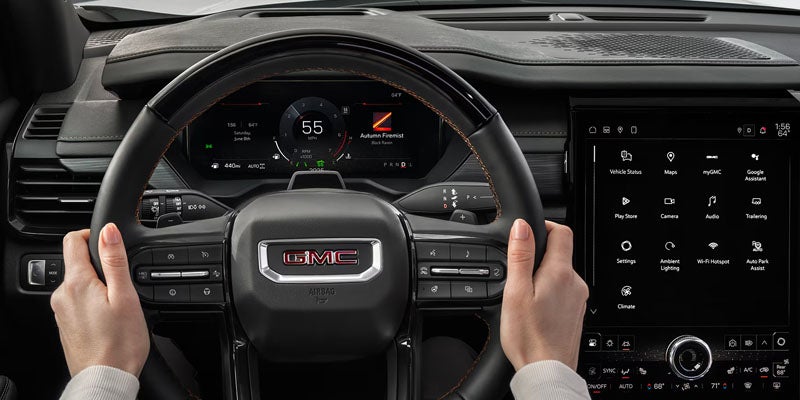
On the technology front, the Hummer EV is packed with advanced features. It comes equipped with Super Cruise, GM’s advanced driver assistance system that allows for hands-free driving on compatible highways. The infotainment system features a 13.4-inch screen with Google built-in apps and wireless Apple CarPlay/Android Auto compatibility. For thrill-seekers, there’s the aptly named Watts to Freedom (WTF) mode, a launch control feature that unleashes the vehicle’s maximum acceleration.

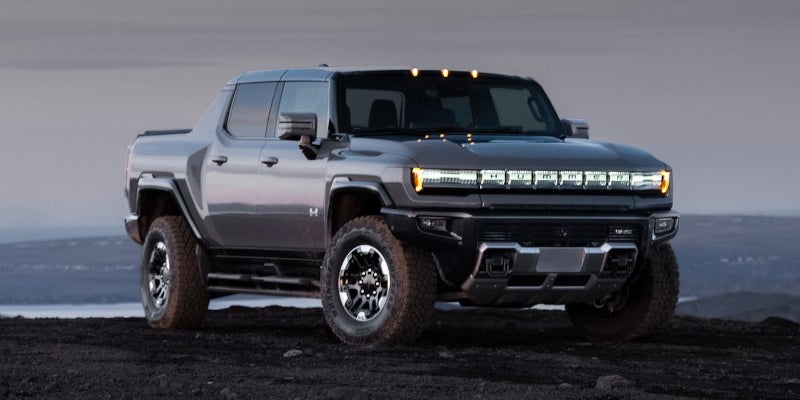
Design-wise, the Hummer EV doesn’t disappoint. It features removable roof panels, dubbed the “Infinity Roof,” providing an open-air driving experience. The interior is spacious and fitted with premium materials and finishes. On the outside, it sports a distinctive lighting signature, including a front light bar and illuminated Hummer badging, ensuring it stands out on the road.

Models and Trims

The Hummer EV comes in two body styles: a pickup truck and an SUV. The pickup is available in various trims, including the top-tier 3X model, and features a large bed with a MultiPro tailgate for versatile cargo management. The SUV offers similar capabilities but in a more compact, enclosed body style, providing ample interior cargo space with fold-flat rear seats.

Addressing Concerns and Criticisms

While the Hummer EV is an impressive vehicle, it’s not without its criticisms:

• Efficiency: Despite being all-electric, its size and weight contribute to lower efficiency compared to other EVs.
• Safety concerns: Its substantial weight raises questions about potential issues in collisions with smaller vehicles.
• Braking performance: The 60-0 mph stopping distance of 142 feet is longer than some competitors, likely due to the vehicle’s weight.
• Market performance factors:

  • High price point limiting accessibility to a broader market
  • Production constraints and supply chain issues affecting availability
  • Evolving consumer preferences in the rapidly changing EV market

GMC is actively addressing these concerns through:

• Ongoing software updates to improve efficiency and performance
• Continued refinement of the regenerative braking system
• Enhanced driver assistance features to mitigate potential safety risks
• Efforts to streamline production and address supply chain challenges

Pricing and warranty information:

• Starting price: Approximately $106,945 for the 3X trim (prices vary based on configuration and options)
• Battery warranty: 8-year/100,000-mile coverage, demonstrating confidence in the battery’s longevity

It’s important to note that the GMC Hummer EV is a fully electric vehicle, powered entirely by a battery-electric powertrain with no internal combustion engine. This represents a complete departure from its gas-guzzling predecessors.

Regarding the longevity of the Hummer EV’s battery, while specific data is still being gathered, GMC designs its EV batteries for long-term durability. However, actual battery life will depend on various factors including charging habits, climate, and usage patterns.

The GMC Hummer EV represents a bold step into the future of electric vehicles, combining impressive performance with innovative features. While it faces some challenges related to efficiency and its sheer size, it offers a unique proposition in the luxury electric truck and SUV market. It’s designed for affluent consumers looking for a unique, high-performance EV, off-road enthusiasts who want cutting-edge technology, and early adopters of electric vehicles seeking a bold statement piece. As GMC continues to refine and improve the Hummer EV, it remains a compelling option for those seeking a no-compromise, high-performance electric vehicle with unmatched presence on and off the road.

Pricing Disclaimer: All prices mentioned are Manufacturer’s Suggested Retail Price (MSRP). MSRP excludes destination and handling charges, tax, title, license, and options. Actual dealer prices may vary. Prices are subject to change without notice. See your dealer for details.
Posted in:

Related Posts

GMC Acadia Trim Levels Comparing AT4 and Denali Models

GMC Acadia Trim Levels Comparing AT4 and Denali Models

GMC Acadia trim levels give you two distinct paths when comparing AT4 and Denali. Both share the same core engine and three row layout. However, their equipment changes what you encounter from the driver seat. AT4 adds hardware for traction and rougher surfaces. Denali places greater focus on seating, displays, and cabin convenience. What AT4 and Denali Share Do Acadia AT4 and Denali use different engines? Both use the same 2.5L Turbo engine and eight speed automatic transmission. GMC rates that engine at 328 horsepower. Therefore, engine output does not separate these two trims. The larger differences appear in the chassis, traction hardware, cabin materials, and convenience equipment. Both trims also retain seating for seven. Their published cargo volume reaches 97.5 cubic feet behind the first row. As a result, choosing AT4 does not require surrendering the Acadia's core passenger or cargo layout. Each trim also includes the large central infotainment display found across the current Acadia lineup. Available Super Cruise further extends the technology choices for either configuration. That shared foundation matters during a GMC Acadia trim comparison. You can focus on the equipment that changes without treating them as entirely different SUVs. How Acadia AT4 Changes the Chassis AT4 separates itself through hardware beneath and around the vehicle. What does AT4 change beyond exterior styling? The answer starts with its AWD hardware, suspension tuning, tires, ride height, skid plates, and Terrain Mode. Active Torque Control AWD can send torque between the front and rear axles. It can also distribute torque between the rear wheels. Therefore, power can move toward the wheel positions with available traction. Terrain Mode adds another tool for slow travel across rough surfaces. The mode can manage low speed movement through accelerator input. That setup gives you another method for controlling the Acadia during careful off pavement travel. AT4 also changes several physical components that meet the road or protect the underside. All terrain tires: These tires carry tread suited to mixed surfaces beyond ordinary paved roads. Lifted ride height: Additional ground clearance creates more space between lower vehicle components and uneven surfaces. Skid plates and suspension tuning: These components support the AT4's focus on rougher routes and uneven terrain. These changes explain why AT4 feels different without receiving another engine. The distinction comes from how the chassis handles traction, clearance, and surface changes. For Louisiana travel, those traits can matter beyond dedicated trails. Gravel drives, camp access roads, wet grass, and uneven property entrances can place traction hardware into regular service. How Acadia Denali Changes the Cabin Denali takes a different approach within GMC Acadia trim levels. Its major changes concentrate inside the cabin instead of adding AT4 terrain hardware. What does Denali add inside the Acadia? GMC includes leather appointed first and second row seating, plus heated and ventilated front seats. It also includes an eight inch Head Up Display. The Head Up Display places selected information within the driver's forward sightline. Therefore, you can view key data without shifting your eyes toward the center display. Ventilated front seats address a separate cabin task. Air movement through the seating surfaces can make hot weather trips more comfortable. That can stand out during Louisiana summers and long stretches in direct sun. Denali also adds powered functions for the rear seating area. Power folding third row seats reduce the manual work involved when changing the cargo layout. One touch second row folding provides another quick route into a larger storage configuration. These items change different moments inside the cabin. Some support the driver, while others focus on seating or cargo conversion. For this reason, Denali is more than an appearance package. Its equipment changes how you interact with information, seats, and interior space. How the Two Trims Feel Different From the Driver Seat AT4 and Denali begin from the same Acadia powertrain, yet they communicate their differences through different parts of the vehicle. AT4 places more of its distinction beneath you. AWD torque distribution, suspension tuning, tire construction, and ride height shape how the chassis responds to changing surfaces. Denali places more of its distinction around you. Seating materials, ventilation, the Head Up Display, and powered rear seats change cabin interaction. That separation gives you a useful way to evaluate both trims. Ask where you want the extra equipment to work most. If rough access roads are common, AT4 hardware deserves closer attention. If most trips remain paved, Denali cabin equipment may receive more frequent interaction. Still, both trims retain the Acadia's three row structure and shared engine output. You are choosing where GMC places the trim specific equipment, not choosing between unrelated vehicle formats. A test drive can make that distinction easier to recognize. Spend time checking visibility, seating position, display placement, and steering response. Then, inspect the tires, ride height, and cargo access before comparing your notes. Matching AT4 or Denali to Your Driving Plans Choosing between these GMC Acadia trim levels becomes clearer when you connect equipment with your usual routes and passengers. Start with where the Acadia will travel, then consider which cabin items you will interact with most. The strongest reasons for choosing each trim come from different priorities. Choose AT4 for terrain focused hardware: Active Torque Control AWD, all terrain tires, extra clearance, skid plates, and Terrain Mode define its direction. Choose Denali for cabin focused equipment: Leather appointed seating, ventilation, the Head Up Display, and powered rear seating lead its direction. Compare both when your needs overlap: Shared seating, cargo room, engine output, and available technology keep either trim open for family travel. Neither choice requires abandoning the core Acadia layout. Instead, the decision centers on which equipment earns its place in your routine. Ross Downing GMC can show you current Acadia AT4 and Denali inventory in Hammond. Seeing both trims together gives you a direct way to inspect their hardware and cabin differences. Bring your normal driving plans into that comparison. Think about your roads, passengers, cargo, and time behind the wheel. Those details give the AT4 versus Denali decision a much clearer direction.

GMC ProGrade Trailering Guide for Sierra Accessories

GMC ProGrade Trailering Guide for Sierra Accessories

GMC ProGrade Trailering gives Sierra owners integrated tools for hitch setup, trailer information, and towing preparation. Yet those tools are only one part of a complete towing setup. Physical hardware, bed protection, wiring, and trailer braking equipment still need their own review. Therefore, a good setup starts by matching each part to the truck and trailer. How GMC ProGrade Trailering Fits the Full Setup GMC ProGrade Trailering brings several integrated trailering tools into the Sierra. Available equipment can include Hitch Guidance, Hitch View, and the In Vehicle Trailering App. Together, these tools support trailer setup, connection checks, and stored trailer information. However, integrated trailering technology does not replace the physical connection between truck and trailer. A receiver, ball mount, hitch ball, safety chains, and electrical connector still handle separate jobs. The trailer itself may also require compatible braking hardware. What does GMC ProGrade Trailering handle? It supports setup and monitoring through truck based technology. By contrast, the hitch and wiring create the mechanical and electrical connection to the trailer. That distinction keeps accessory shopping clearer. You can review factory trailering features first, then identify the hardware your trailer requires. Therefore, each purchase serves a defined part of the towing setup. Choosing a Sierra Bed Liner A Sierra bed liner protects the cargo box from scratches, impacts, moisture, and surface wear. The right material should match what you place in the bed and how you load it. Spray applied liners bond directly to the bed surface. They create textured coverage across the floor, walls, and other coated areas. Molded liners sit inside the bed as a separate shell. Bed mats cover the floor while leaving the bed walls uncovered. Before choosing a liner, consider how cargo moves inside the bed during loading and transport. Different liner styles manage grip, removal, cleaning, and impact protection in different ways. Spray applied liners: These create permanent textured coverage and suit frequent loading of tools, lumber, equipment, or loose cargo. Molded liners: These create a removable protective shell and suit owners who want replaceable bed coverage. Bed mats: These protect the bed floor and add grip while leaving the side walls open. Which bed liner makes sense for your Sierra? Start with the cargo that will contact the bed most. Then, consider whether permanent coverage or removable protection fits your routine better. Matching Hitch and Wiring Equipment to the Trailer The hitch connection starts with hardware that matches both the Sierra and the trailer. The receiver accepts the ball mount, while the hitch ball connects with the trailer coupler. Safety chains create a secondary connection between the truck and trailer. Electrical wiring handles another part of the setup. Trailer connectors carry signals for lights and compatible trailer brakes. Therefore, the connector must match the trailer wiring arrangement. What hardware connects a Sierra to the trailer? The answer starts with the receiver, ball mount, hitch ball, safety chains, and electrical connector. Each part serves a separate task during towing. Ball size and mount height also need attention. The hitch ball must fit the trailer coupler, while mount height supports a level trailer stance. A poor match can place the trailer at an improper angle before the trip begins. Therefore, hitch parts should be selected as one connection package. Choosing pieces separately can create mismatches between the truck, coupler, and trailer height. When a Trailer Brake Controller Matters A trailer brake controller sends braking input from the Sierra to compatible electric trailer brakes. The controller works through the trailer wiring connection and responds when the truck slows. This setup gives the trailer its own braking response instead of relying only on the truck. Therefore, the controller, wiring, and trailer brakes need to work together correctly. When does a trailer brake controller matter? It matters when the trailer uses compatible electric brakes and the towing setup calls for controlled trailer braking. The trailer design and local requirements should guide that review. The controller also needs proper adjustment. Too little braking input can leave the trailer doing less braking work than intended. Too much input can make trailer braking feel abrupt. For this reason, adjustment should reflect the loaded trailer and its braking response. A different trailer or load may require another check before towing. Building a Work or Recreation Setup A complete Sierra accessory plan should reflect what the truck carries and what it tows. A work truck may spend more time hauling tools, lumber, or job materials. A recreation focused Sierra may carry coolers, camping gear, boat equipment, or trailer supplies. Because those routines place different demands on the truck, accessory priorities can change. Bed protection may lead one setup, while covered storage or trailer equipment may lead another. Work setup: Consider durable bed protection, cargo control, hitch hardware, wiring, and trailer braking equipment for frequent hauling. Recreation setup: Consider bed protection, covered storage, trailer connections, wiring, and braking equipment matched to boats or campers. GMC ProGrade Trailering can support either setup through its integrated trailering tools. Still, the physical accessories should match the trailer and cargo you plan to use. Ross Downing GMC can review current Sierra equipment and available accessory choices for your truck. Bring your trailer details, cargo plans, and towing routine into that conversation. Therefore, you can compare accessories around the work your Sierra will handle after delivery.

GMC Trade In Value Guide for Trading Your Sierra Truck

GMC Trade In Value Guide for Trading Your Sierra Truck

GMC trade in value matters when you are preparing to move from your current truck into a new Sierra. A clear appraisal process starts with your specific truck, its history, and its present mechanical and cosmetic state. Therefore, knowing what the dealership reviews can make the visit easier to follow. You can also arrive prepared for payoff questions, paperwork review, and the final appraisal discussion. What Goes Into a GMC Sierra Appraisal A dealership appraisal reviews your Sierra as a complete truck, not as a mileage number alone. Staff start with basics such as model year, trim, engine, drivetrain, odometer reading, and installed equipment. Then, they inspect the exterior, cabin, tires, bed, glass, lights, and other visible areas. In addition, service history and reported damage may provide context for the truck's current state. Several inspection areas give the appraisal team specific information about the truck. Each area contributes a different piece of the valuation review. Exterior and bed: Staff inspect body panels, paint, glass, tailgate surfaces, and the bed for damage or visible repair needs. Tires and mechanical components: Tire wear, suspension components, brakes, and visible maintenance items may indicate upcoming reconditioning needs. Interior and equipment: Cabin condition, factory equipment, installed accessories, and working controls contribute to the complete vehicle review. GMC trade in value also reflects market information beyond the truck itself. Appraisers may review recent auction data, regional demand, similar inventory, and expected repair costs before setting an offer. Therefore, two Sierra trucks from the same model year can receive different figures. A higher trim, lower mileage, desirable equipment, and cleaner history can support a stronger appraisal result. What does the dealership inspect before assigning a value? The appraisal combines physical inspection, vehicle records, equipment, mileage, and current market data. Because each input tells a different part of the story, no single number controls the entire result. For this reason, an online estimate works best as a starting point, not a final offer. Does Towing or Truck Work Change the Appraisal Towing or hauling history does not set GMC trade in value by itself. Appraisers look for the physical evidence that past work may have left behind. That review can include the receiver area, bed floor, tailgate, tires, suspension components, and visible maintenance items. Furthermore, they may note aftermarket towing hardware or modifications that change resale demand. A Sierra used for trailers can still present well at appraisal time. Service records can show fluid changes, brake work, tire replacement, and other care completed during ownership. However, uneven tire wear, damaged bed surfaces, worn hitch hardware, or neglected maintenance may signal future repair expense. Those items can shape the final figure because the dealership may need to prepare the truck for resale. GMC trade in value can also reflect factory equipment that supports towing or work. Features such as an integrated trailer brake controller, factory hitch equipment, or trailering cameras can strengthen the truck's appeal. By contrast, some aftermarket changes may narrow the pool of future customers. The appraiser will consider whether installed equipment fits current local demand. Should you remove every accessory before the appraisal? No. Start by identifying which parts are factory installed, dealer installed, or aftermarket. Then, bring receipts or service records when they clarify the work completed. That documentation gives the appraiser more context without requiring you to reverse useful upgrades before the visit. Can You Trade a Sierra With an Active Loan You can trade a Sierra even when you still owe money on the loan. The dealership requests a payoff amount from your lender and compares that figure with the appraisal. Therefore, the trade offer and the loan payoff remain separate numbers until the equity is calculated. Positive equity means the GMC trade in value is higher than the lender payoff. That remaining amount can be applied within the next purchase transaction. Negative equity means the payoff is higher than the appraisal figure. In that case, the difference still has to be resolved as part of the transaction. For this reason, the loan balance shown in an online account may not match the payoff quote exactly. Interest can continue to accrue, and the lender may include specific payoff timing. Additionally, some lenders provide payoff instructions directly to the dealership. Having your lender name and account information ready can reduce delays during the review. What if you recently made a payment? Tell the dealership when the payment was submitted. The lender's current payoff figure controls the calculation, so recent account activity needs current verification. Consequently, the finance team may request an updated payoff before final paperwork is completed. Preparing for Your Sierra Trade Preparation gives you a clearer path from appraisal to the next truck. Start by gathering the records and items connected with ownership, financing, and maintenance. Having them together can keep verification work moving during the dealership visit. Bring the items available for your specific Sierra before the appraisal begins: Identification and ownership records: Bring identification, registration, and available title information for ownership verification. Lender information: Have your lender name and account details ready when a loan remains on the truck. Keys and service records: Bring available key sets, maintenance records, accessory receipts, and documentation for major completed work. If a lender holds the title, the dealership can explain what verification it needs from you. Moreover, bringing available records keeps important details together during the visit. GMC trade in value is easier to discuss when you understand the appraisal inputs before the offer appears. You should know the truck's trim, mileage, major factory equipment, recent service work, and any known damage. However, you do not need to make the truck look new before arriving. A basic cleaning can make inspection easier, but major last minute repairs may not return their full cost. The appraisal itself usually follows a straightforward sequence. Staff identify the truck, inspect its visible state, review key records, confirm market information, and prepare the offer. If a loan remains, the payoff review follows alongside the appraisal. As a result, the final discussion can cover both the truck's value and the amount still owed. Once those figures are clear, you can compare the trade with your plans for a new Sierra. A Ross Downing GMC team member can also explain how the appraisal connects with available Sierra inventory. Still, the strongest starting point is understanding your current truck before discussing the next one. Moving From Your Current Truck Into a New Sierra Trading your current Sierra should feel like a clear financial and mechanical review, not a guessing exercise. GMC trade in value starts with the truck you own, the care it received, and the market around it. Furthermore, towing history, mileage, equipment, payoff status, and visible wear each contribute separate information. If you are preparing for a new GMC Sierra in Hammond, bring the records that tell your truck's story. Know your lender information, gather both keys, and be ready to discuss service work or modifications. With that in mind, you can review the appraisal with a clearer sense of how each figure was reached. Ross Downing GMC can walk through the appraisal, payoff details, and available Sierra options during the same visit. The goal is simple: understand the truck you are trading before deciding what comes next.