Blog / Awards

Ross Downing GMC Hammond Shares the Best of Tangipahoa Win

Ross Downing GMC Hammond Shares the Best of Tangipahoa Win

Ross Downing GMC Hammond Shares the Best of Tangipahoa Win


Ross Downing has been voted 2026 Best Auto Dealership in the Hammond Daily Star's Best of Tangipahoa. Our GMC team in Hammond wants to say thank you.

From Sierra owners who count on their trucks for work to families who drive a Yukon or Acadia every day, our customers are the heart of this award. Thank you for trusting us with your vehicles and for taking the time to vote.

Being part of a family-owned group that has served Hammond since 1973 means we hold ourselves to a high standard: honest advice, clear answers and a service team that treats your vehicle like it's their own.


Read the full story from Ross Downing.


Ross Downing GMC Hammond, 1301 S. Morrison Blvd. #101, Hammond, LA 70403
Shop and schedule service online or call (985) 543-6833.


Posted in:

Recommended Posts

New vs Used SUV Comparison for Gonzales GMC Shoppers

New vs Used SUV Comparison for Gonzales GMC Shoppers

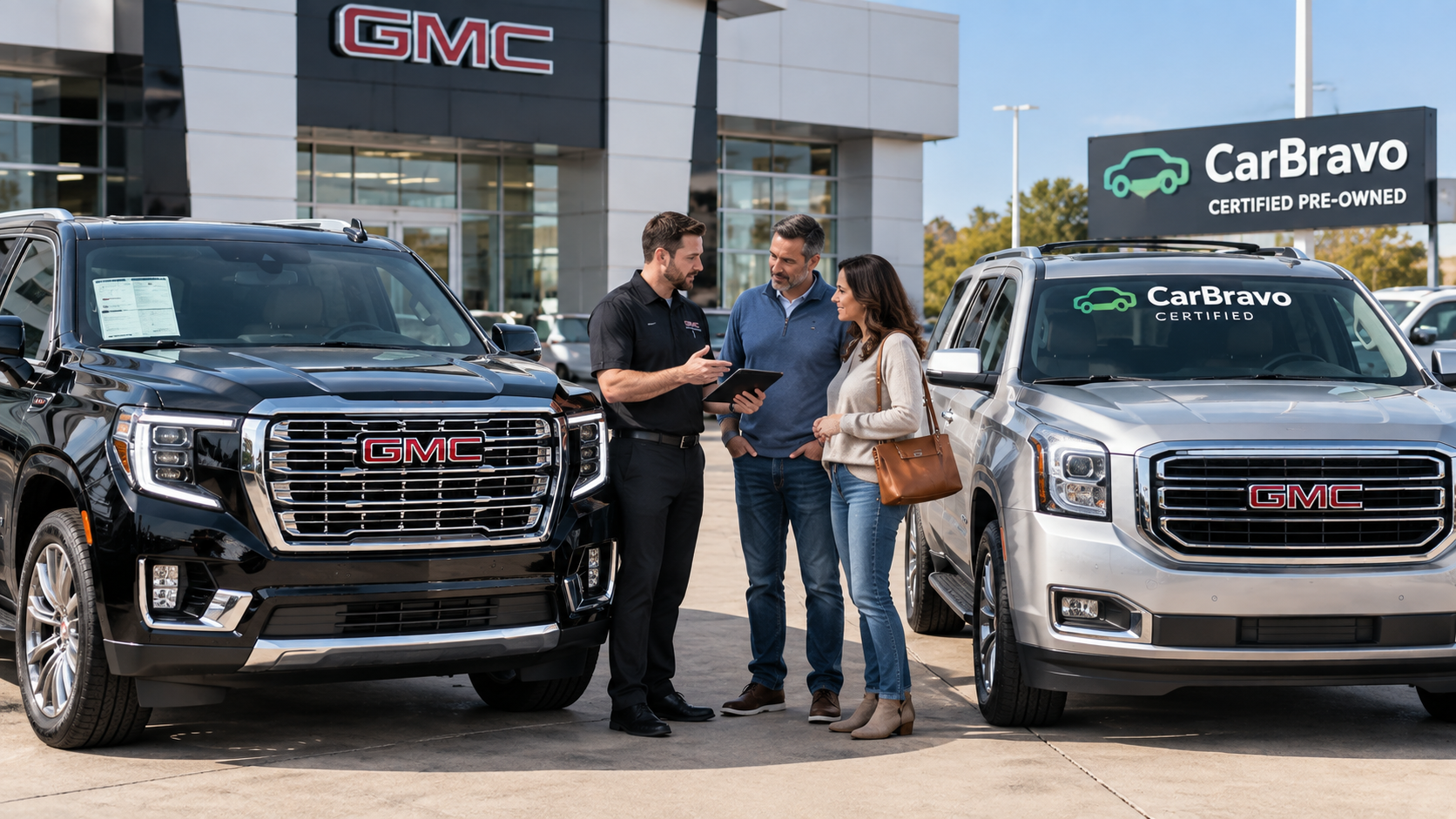
A new vs used SUV comparison can start with one simple question. How much vehicle history are you comfortable taking on? A new GMC starts with zero prior owners and full factory coverage. A CarBravo GMC has prior mileage, yet it also passes a formal certification process. Therefore, the decision reaches beyond sticker price alone. Warranty structure, depreciation, financing, mileage, and planned years of ownership all deserve attention. What Does CarBravo Include? CarBravo is GM's certified used vehicle program. It adds inspection, history information, warranty coverage, roadside assistance, and transportation support to eligible used vehicles. Therefore, it sits in a different category from an ordinary used vehicle listing. Every CarBravo vehicle receives a multipoint inspection from a Certified Service technician. Vehicles under 10 model years old with fewer than 100,000 miles receive a 126 point inspection. CarBravo also provides a free CARFAX Vehicle History Report. GM requires participating dealers to complete open safety recalls before listing or selling the vehicle. Those steps give shoppers several items to review before purchase: CarBravo certification includes a technician inspection focused on key parts and vehicle operation. A free CARFAX Vehicle History Report gives prior use and reported history details. Eligible vehicles receive limited warranty coverage, roadside assistance, and transportation support after purchase. Certification does not make every used GMC identical. Mileage, prior use, trim, condition, and service records can still vary from one vehicle to another. Therefore, each CarBravo GMC still deserves its own review. How Does New Vehicle Depreciation Change the Math? A new vehicle starts losing market value from its original new vehicle price after purchase. That early value change can represent a larger share of depreciation during the first years. A used GMC has already moved through part of that period before the next owner purchases it. That does not mean every used GMC will hold its value at the same rate. Model demand, mileage, condition, equipment, and market pricing all play a role. Still, depreciation should remain separate from the amount paid at signing. Consider the timing of your purchase and the years you expect to keep the SUV. A new GMC may offer more years before age and mileage climb. A CarBravo GMC may lower the amount tied up in the initial purchase. Therefore, the more useful comparison looks at purchase price and future value together. A lower price today can change how much depreciation remains ahead. A higher new vehicle price may pair with more factory coverage and zero prior mileage. How Warranty Coverage Differs New GMC and CarBravo warranty coverage should not be treated as the same product. Each path starts from a different point in the vehicle's life. New GMC vehicles registered in the United States include bumper to bumper limited warranty coverage. That coverage lasts 3 years or 36,000 miles, whichever comes first. GMC also lists a 5 year or 60,000 mile powertrain limited warranty for most current models. Certain engines and vehicle classes can use different terms. Eligible CarBravo vehicles under 10 model years old and below 100,000 miles receive separate certified used coverage. CarBravo lists a 12 month or 12,000 mile bumper to bumper limited warranty with no deductible. Coverage terms can interact with any remaining original factory warranty. Before choosing either path, compare the exact coverage attached to the specific vehicle. Review: The date when bumper to bumper coverage ends. The mileage limit attached to each warranty. Any remaining factory powertrain coverage. The CarBravo limited warranty period tied to the certified used vehicle. A newer CarBravo GMC may still carry part of its original factory coverage. An older certified vehicle may rely more heavily on the CarBravo warranty. Therefore, vehicle age and in service date matter during this comparison. Mileage Inspection and Vehicle History Mileage changes the context around a certified used GMC. A vehicle with 15,000 miles presents a different history than one approaching 90,000 miles. The certification process adds inspection, but the odometer still tells part of the story. The CARFAX report can show reported ownership changes, service records, and other recorded events. However, shoppers should pair that report with the physical inspection and dealer records. No single document tells every detail about prior use. Look at tire condition, brake condition, service history, interior wear, and remaining warranty time. Also review whether the trim includes the equipment you want. A lower purchase price can lose appeal if the SUV lacks features you planned to use. The same review applies across the GMC lineup. A Terrain, Acadia, Yukon, or other GMC can make sense through CarBravo when its history fits your plans. Financing and Monthly Cost Financing deserves its own comparison because purchase price does not create the monthly payment by itself. Rate, loan term, down payment, incentives, taxes, and financed amount all shape the final number. New GMC models may qualify for finance programs or incentives that do not apply to used inventory. CarBravo vehicles may start from a lower purchase price, yet used vehicle rates can differ. Therefore, compare complete loan offers instead of comparing sticker prices alone. Before signing, place these figures side by side: Vehicle selling price after applicable incentives. Down payment and trade value applied to the transaction. Annual percentage rate and total loan length. Estimated total paid across the full loan term. This view can reveal a result that the sticker price hides. A lower used price may still carry a different rate. A new GMC may cost more upfront but qualify for another financing structure. Choosing Based on How Long You Plan to Own the GMC A new vs used SUV comparison becomes clearer once you choose an expected ownership period. Time changes the importance of warranty coverage, mileage, depreciation, and financing. A shopper planning several years with the same vehicle may care about starting mileage and remaining warranty time. Someone focused on lowering the initial purchase amount may place more weight on CarBravo inventory. Neither path needs to fit every household. Start with the vehicle itself. Compare mileage, service history, warranty dates, trim equipment, and final financed cost. Then look at the years you expect to keep it. A new GMC gives you a fresh ownership starting point with full new vehicle coverage. CarBravo gives you a certified used path with inspection, history information, and separate warranty protection. Ross Downing GMC can show both paths side by side so you can compare the numbers tied to each vehicle. You can also browse new GMC inventory before your visit.

GMC Service Appointment Process When Repairs Take Longer

GMC Service Appointment Process When Repairs Take Longer

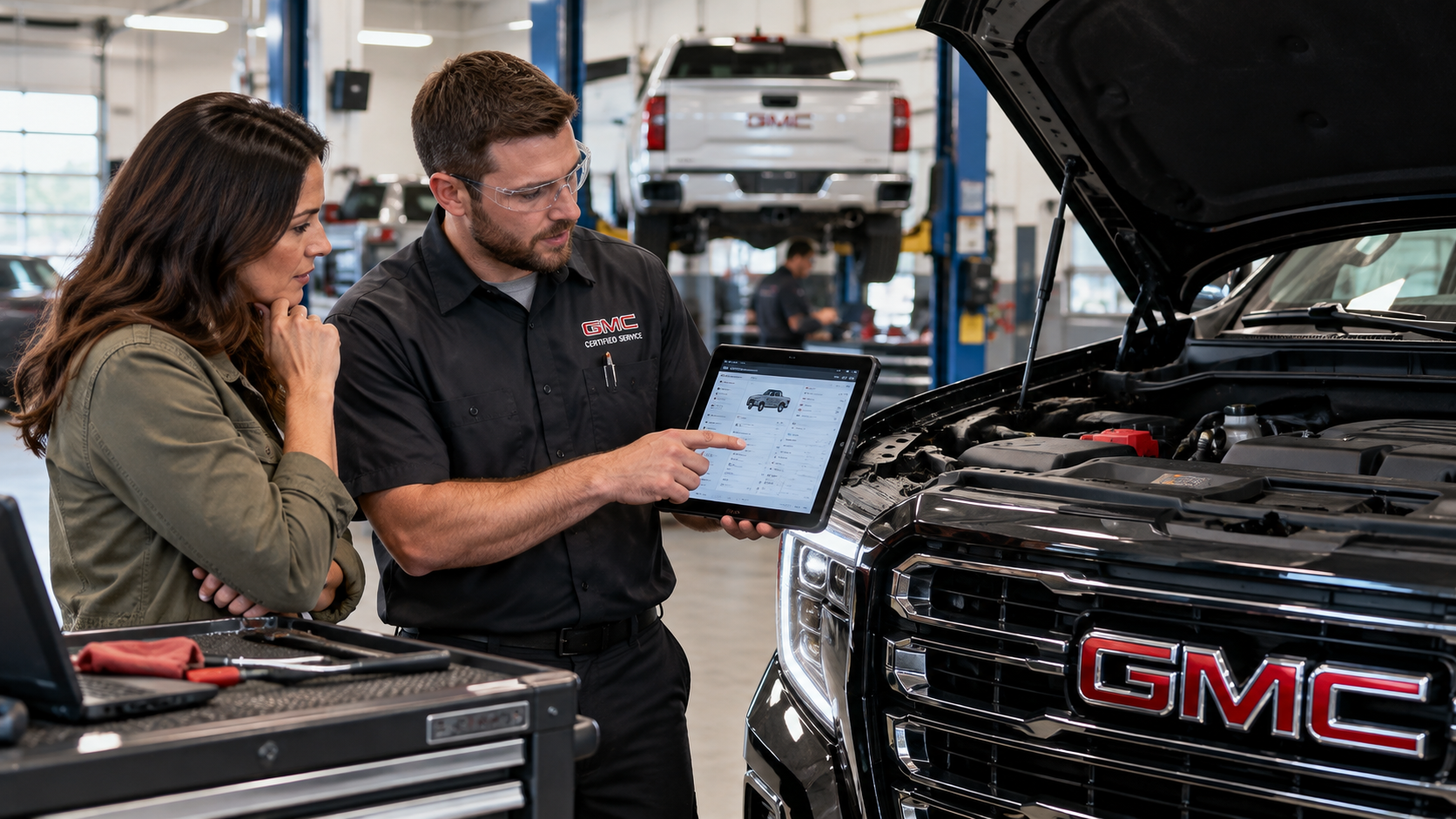
A GMC service appointment process can change after diagnosis uncovers more than the original concern suggested. Therefore, that can extend the repair timeline even when the visit started with a clear estimate. A longer stay does not always point to one cause. Additionally, diagnosis, repair findings, parts availability, warranty review, and customer approval can each add time. Therefore, a useful update should explain which step is holding the vehicle and what needs to happen next. Why Can a Repair Take Longer After Diagnosis? A repair can take longer after diagnosis because the technician may uncover work that was not confirmed at check in. The first appointment usually begins with a symptom, warning light, noise, leak, or other concern. However, that symptom does not always reveal the exact repair on its own. Additionally, the technician may inspect components, run tests, review fault codes, or reproduce the issue. Once the cause is identified, the repair plan can become more specific. As a result, that may change the parts list, labor time, or expected completion date. Several common reasons can extend the timeline after the first estimate: Diagnosis may reveal another damaged component. That part may need repair before the original issue can be resolved. The correct GM Genuine Part or ACDelco part may need to be ordered after the repair is confirmed. Warranty review may require documentation or dealer diagnosis before the next repair step can move forward. Because each repair begins with different symptoms, the first estimate may be preliminary. Therefore, the most useful question is whether diagnosis is complete and what the technician confirmed. What Happens When the Technician Finds More Additional findings can change the repair plan after the first inspection. A good service process should explain what changed and why the added work is needed. It should also explain the revised cost before required approval. For instance, a warning light may lead to testing that identifies a failed sensor. Further inspection might also reveal damaged wiring connected to the same fault. In that case, replacing only the sensor would leave part of the problem unresolved. Therefore, the service advisor should explain the new finding in plain language. That explanation should connect the diagnosis to the proposed repair. It should also separate required work from optional maintenance when both appear on the same estimate. Additionally, customer authorization can add time. The technician may pause while the advisor waits for approval on added parts or labor. Therefore, replying to a revised estimate quickly can keep the repair moving once the diagnosis is complete. If the repair plan changes, ask what was found after the first estimate. Then ask whether the added work must be completed now or can be scheduled later. Clear answers make the next decision easier. Parts Availability Can Change the Timeline A confirmed diagnosis does not mean the required part is already in stock. The repair may pause while the dealership locates and orders the correct component. Parts delays can happen for several reasons. For this reason, the dealership may need a specific part number tied to the vehicle. A warehouse may have limited stock. Another repair may require a component that is temporarily backordered. However, the useful distinction is whether the delay comes from diagnosis or parts. If diagnosis is complete, the advisor should be able to explain which part is needed. The advisor can also confirm whether the part has been ordered and whether an estimated arrival date is available. Consequently, that information gives the customer a clearer view of the next step. Instead of hearing only that the vehicle is waiting, the customer knows what is pending. Therefore, parts status should become part of any update once the repair has been confirmed. What Should a Service Update Include? A useful service update should identify the confirmed diagnosis, current repair status, parts status, required approvals, and revised timing. It should give the customer enough information to plan around the delay. When you speak with the advisor, these questions clarify the current stage: Has the technician completed the diagnosis? What repair has been confirmed? Is the vehicle waiting for approval, a part, warranty review, or active repair work? Has the required part been ordered, and is there an estimated arrival or completion date? However, the advisor may not always have an exact completion time. Additionally, parts shipment changes or added findings can shift the schedule again. The update should still identify what is known and what remains pending. For this reason, the next update point matters too. Ask when the service team expects to know more. A clear follow up point can reduce uncertainty when the final completion date is still open. Transportation and Warranty Questions Warranty coverage can change the repair path. Dealer diagnosis may be needed before coverage is confirmed. The service team may document the concern and verify the failed component. It can then confirm whether the repair falls within coverage. If the repair will keep the vehicle at the dealership longer, ask about transportation options. A loaner, rental arrangement, shuttle, or other support may be available during certain repairs. Availability can vary by dealer, repair type, and warranty status. Do not assume a loaner is included with every repair. Instead, ask what options are available for the current visit. That keeps the discussion tied to the repair in front of you. Therefore, warranty questions should stay specific. Ask whether the diagnosis is complete and whether coverage has been confirmed. Then ask whether any customer paid work is separate. Clear separation between covered and customer paid work can make a revised estimate easier to review. What to Ask Before the Next Update The GMC service appointment process is easier to follow when each delay is tied to a specific step. Before ending a call, make sure you know what has been confirmed. Also ask what still needs to happen. First, start with the diagnosis. Ask whether the source of the concern has been identified. Then confirm whether the repair is waiting for approval, parts, warranty review, or shop time. Additionally, ask whether the expected completion date has changed. If the team cannot provide a final date yet, ask when another update should be available. That gives you a clear point for the next conversation. A repair that takes longer than expected can be frustrating, but the timeline should still make sense. Ross Downing GMC Certified Service can explain the current repair stage, parts status, and next step during a service visit. You can also schedule a service appointment online when your GMC needs inspection or repair.


Sierra 1500 Trims AT4 vs AT4X for Gonzales Drivers

Sierra 1500 Trims AT4 vs AT4X for Gonzales Drivers

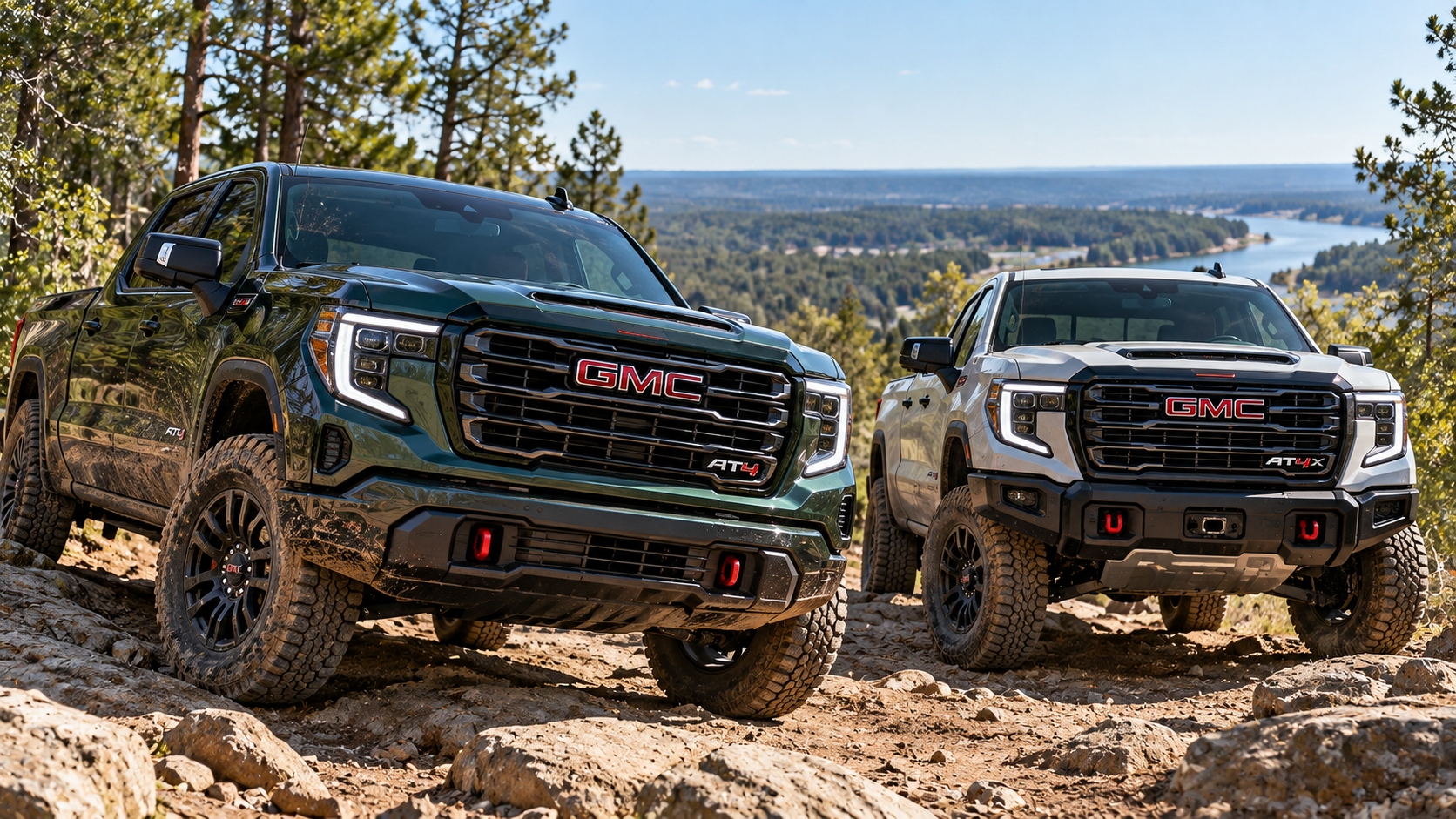
Sierra 1500 trims give Gonzales truck shoppers two distinct choices for travel beyond pavement. AT4 already brings substantial trail hardware directly from GMC. AT4X starts with that foundation and adds specialized equipment for tougher terrain. Therefore, the choice involves far more than appearance or trim badging. Suspension hardware, differential control, protection, towing needs, and cabin equipment deserve closer attention. Sierra 1500 AT4 and AT4X Share Strong Trail Hardware AT4 is not a basic Sierra with rugged styling added. It starts with hardware meant for dirt roads, trails, steep grades, and uneven surfaces. Therefore, understanding that foundation makes the AT4X upgrades much easier to judge. Both trucks receive a factory installed two inch suspension lift. That added ride height provides more clearance beneath the truck when terrain becomes rough. Both also include Hill Descent Control for slower travel down steep grades. The GMC Sierra 1500 AT4 uses a two speed Autotrac transfer case. Low range gearing gives the driver another tool for slow travel across difficult terrain. Underbody skid plates also protect important areas below the truck from contact with rocks or trail debris. AT4X retains the core AT4 equipment while changing several important components. Therefore, choosing AT4X is less about gaining basic trail readiness. The decision centers on how specialized the hardware needs to become. Before comparing the upgrades, consider what both trucks already bring: Both receive a factory installed two inch lift for increased clearance beneath the truck. Both include four wheel drive equipment intended for travel on loose or uneven surfaces. Both include underbody protection that shields important components during trail travel. For many drivers, that shared foundation may already cover dirt roads, hunting property, campsites, and muddy access routes. However, harder terrain places different demands on suspension and traction hardware. What Does AT4X Add Beyond Sierra AT4? AT4X adds specialized dampers, dual electronic lockers, and stronger front protection beyond the core AT4 package. The suspension change is one of the clearest mechanical differences between these Sierra 1500 trims. AT4 uses Rancho monotube shocks with its factory lift. The monotube layout controls spring movement as each tire travels over bumps, dips, and broken surfaces. Therefore, the truck can keep its trail focused stance while still handling normal road travel. AT4X replaces those Rancho shocks with Multimatic DSSV dampers. DSSV hardware controls fluid through precisely shaped spool valves inside each damper. That design gives engineers tighter control over damping forces through different suspension movements. What does that mean from behind the wheel? The DSSV setup can manage repeated suspension movement with greater precision across rough trail sections. Therefore, AT4X targets drivers who expect more difficult terrain or longer stretches away from pavement. The difference becomes clearer when the trail keeps changing. A shallow dirt road may place limited demands on the shocks. Repeated ruts, washouts, rocks, and uneven climbs ask much more from the suspension. However, specialized dampers do not make AT4 irrelevant. Rancho monotube shocks still give AT4 dedicated hardware for travel beyond paved roads. The real question is how far the truck needs to go beyond that starting point. When Do Front and Rear Lockers Matter? Front and rear electronic lockers can send both wheels on each axle into the same rotation pattern. This matters when traction becomes uneven across the truck. AT4 uses an automatic locking rear differential. When rear wheel speeds differ enough, the unit can lock the rear axle. That action helps both rear wheels contribute when one tire loses grip. AT4X takes another approach with selectable electronic lockers at both axles. The driver can lock the front and rear differentials when the terrain calls for that response. Therefore, all four wheel positions can work together more directly across a difficult obstacle. Imagine one front tire climbing a rock while another reaches loose soil. A second axle may also sit at an awkward angle. In that situation, managing traction at both axles gives the driver more direct control. The mechanical distinction can be summarized clearly: AT4 uses an automatic locking rear differential that responds when rear wheel speeds separate. AT4X adds selectable electronic locking differentials at both the front and rear axles. Dual lockers matter most when steep, loose, rocky, or uneven terrain reduces grip at several tires. However, most paved driving will not call for locked differentials. A shopper who rarely leaves maintained roads may use that hardware far less. Someone traveling through difficult trails may place much greater value on it. Protection Tires and Trail Hardware Suspension and traction do not tell the entire AT4X story. Physical protection also separates the two Sierra trims once terrain becomes more demanding. AT4 already includes skid plates beneath the truck. Those plates provide a barrier between trail debris and important mechanical components. Additionally, available off road tires can add tread suited to loose surfaces. AT4X adds an AEV stamped steel front bumper with front winch provisions. GMC also equips it with a stamped boron steel front approach skid plate. Therefore, the front of the truck receives stronger hardware for difficult terrain. That front protection matters when approaching rocks, deep ruts, or abrupt changes in trail height. The bumper shape can also support a steeper approach without the lower front fascia meeting the ground first. The AT4X AEV Edition takes this direction further with specialized AEV hardware. However, a driver should first consider whether those parts match planned trips. A heavily modified trail setup provides little value when the truck spends nearly every mile on pavement. Tire choice deserves the same attention. Aggressive tread can add grip in mud and loose soil. By contrast, road manners and tire noise may matter more during long highway drives. Towing Cabin Equipment and Price The price difference between AT4 and AT4X reflects more than suspension parts. AT4X also adds cabin equipment and specialized exterior hardware. For 2026, GMC lists AT4 with a starting price of $67,000. AT4X starts at $79,600. That creates a starting difference of $12,600 before other choices change the final price. Therefore, the decision should examine what that money adds. Multimatic DSSV dampers and dual electronic lockers account for major mechanical upgrades. The AEV front hardware adds another physical distinction. AT4 still brings heated and ventilated leather front seating surfaces. It also includes the 13.4 inch GMC infotainment display and digital driver information screen. AT4X adds more elaborate front seating equipment. GMC equips AT4X with 16 way heated and ventilated front seats with massage functions. Consequently, some of the higher price supports cabin equipment rather than trail hardware alone. Towing also deserves attention before choosing either trim. GMC lists AT4 with available towing up to 9,000 pounds when properly equipped. Trailer weight, engine choice, configuration, and equipment can change the final rating. Therefore, shoppers who tow regularly should confirm the exact truck specification before choosing a trim. Trail hardware and trailer requirements solve different problems. Matching the Sierra Trim to How You Drive Sierra 1500 trims AT4 and AT4X begin from the same rugged branch of the GMC lineup. However, they serve different levels of trail demand. AT4 already brings the lift, transfer case, skid plates, Rancho shocks, and rear locking hardware many owners want. AT4X moves farther with DSSV dampers, dual electronic lockers, and stronger front protection. Start by thinking about where the truck will spend most of its miles. Maintained dirt roads and occasional trails place different demands on hardware than rocky routes or deep ruts. Additionally, regular towing can shift attention toward configuration and rated trailer weight. Price deserves the same careful review. The AT4X upgrades are substantial, but they make the most sense when the driver will use them. AT4 can provide a strong middle ground for mixed road, trail, and towing use. A side by side inspection can make those distinctions easier to see. Ross Downing GMC can walk Gonzales shoppers through available Sierra AT4 and AT4X configurations before a final selection. You can also explore current new GMC inventory before visiting the dealership.